
Where to Find Silver | Your Guide to Thrifting Scrap Silver

At a Glance:
-
- Thrift shops, high-traffic pawn shops, and antique stores are all great places to find scrap silver.
- Look for an assay or maker’s mark on the back of flatware to see if your product is made of silver.
- That’s not all; On this page, learn a few helpful tips to help you identify and buy scrap silver.
Where to Find Silver | A Guide to Thrifting Scrap Silver
Buying silver coins, bars, and rounds is a great way to diversify your investment portfolio and shield your assets from inflation and uncertainty. With the advent of online silver dealers like Hero Bullion, it’s never been easier to find the products consumers need to expand their collections. But for some silver stackers, the hunt is part of the fun. Searching for deals on scrap silver at thrift stores is nothing new – stackers have been snatching up high purity silver flatware and other precious metal items from Goodwill for decades.
But learning where – and how – to find scrap silver is easier said than done. For new investors, it can be hard to figure out where to begin. That’s where we come in.
How do you thrift scrap silver? The simplest way to find scrap silver at a thrift shop is to look for items that are likely to be made of silver, such as teapots, utensils, or flatware. Flip each item over and look for a series of letters, logos, or digits on the backside. Silver items usually include an assay or maker’s mark describing the silver purity of that product, as well as which company produced it.
That’s not all we have for you. If you’re wondering how to find silver at thrift shops, antique stores, or pawn shops, we’ve got you covered. On this page, we’ll describe some helpful tips to help you score big with scrap silver the next time you go thrifting.
Where to Look For Scrap Silver
The easiest way to find silver is to invest in high-quality silver coins, bars, and rounds. But just because silver bullion is easier to source doesn’t mean that it’s the most affordable way to invest in one of the world’s most versatile precious metals. Sourcing junk or scrap silver from pawn shops, thrift stores, or antique malls is a great way to save money while building your silver portfolio – as long as you know where to look.
So where can you find scrap silver? We recommend searching your local thrift stores and high-traffic pawn shops for scrap or junk silver. Antique stores and malls may also have scrap silver for sale, but many antique shop owners will add a premium to old silver products because of their vintage or numismatic value to collectors.
When you thrift for scrap silver, your goal is usually to score pure silver for below melt value. In fact, searching for scrap silver at thrift stores, pawn shops, or estate sales is one of the cheapest ways to buy silver.
Make sure to leave no stone unturned in your search for cheap scrap silver. Big thrift shops are fun to explore, but they may already be picked through if you live in an area with quite a bit of foot traffic. We find that it’s often easier to score affordable scrap and junk silver at smaller, lesser-known shops near us. As an added bonus, it’s always a good idea to support small businesses!

Searching the Shelves – How To Quickly Spot Valuable Scrap Silver Items
Once you find yourself in a shop that might stock scrap silver flatware, jewelry, or utensils, the next step is to get looking! To the untrained eye, it can be hard to quickly spot a silver item. Some items are silver plated, which means that they’re made of cheaper metals and lined with a thin layer of silver to give the appearance that they’re made of the gorgeous, valuable metal. Even seasoned precious metal dealers sometimes can’t quickly assess whether an object is likely made of real silver, so you’ll need to do a bit of work.
How do you tell if an item is made of real silver? For flatware, utensils, and other items often made of silver, the easiest way to verify silver content is to flip the object over and look for an assay mark. An assay mark, sometimes called a maker’s mark, is a small inscription on the back of an object that attests to the item’s silver content and purity. To find an assay mark, look for a series of numbers on the backside of an item that appears to be silver. Usually, companies will use three or four digits (e.g., 9999 for 99.99% pure) to signify the fineness of the silver their products contain.
If you’ve ever seen someone in a Goodwill turn flip dozens of items over, quickly look at them, and then put them back, you’ve probably met a fellow silver searcher!
Most companies that produce or used to produce silver flatware use maker’s marks to take credit for their work – and to verify the silver content of their products. While it’s sometimes possible to find real silver items that don’t include these helpful inscriptions, looking for an assay or maker’s mark is the easiest (and quickest) way to find scrap silver at a thrift shop, antique store, or pawn shop.

Pro Tip: Some “Scrap Silver” Isn’t Scrap At All!
While it’s always exciting to score a cheap piece of real silver flatware, it’s important that new silver scrappers know that some silver items are worth more if they aren’t sold as scrap. There’s a reason antique stores exist, after all. Silver flatware, teapots, and other kitchen items from certain early American metalworkers can be worth quite a bit more than melt value, depending on the item’s condition and collectability.
How do you know if vintage silver flatware is valuable? There’s no easy way to quickly figure out how much a piece of vintage silver flatware or tableware is worth, but a bit of research can go a long way in valuing a vintage or antique silver product. Online collector forums are a great resource, and some antique auction databases can give you a quick estimate of how much a genuine silver product might be worth.
All of this amounts to one important piece of advice – don’t automatically sell your silver finds for scrap! Always make sure to take a close look at the silver flatware, tableware, or other items you find while searching for scrap silver. While most genuine silverware is worth little more than its silver melt value, certain pieces can be worth thousands of dollars! The last thing you want is to leave money on the table (literally).
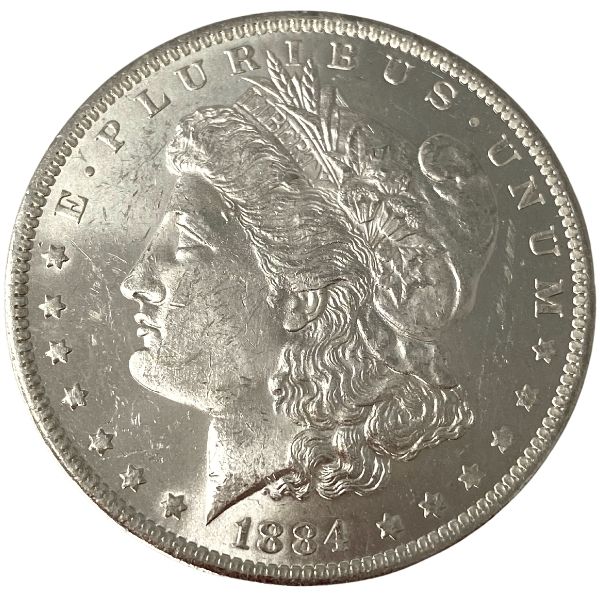
Avoiding the Fakes – How to Spot Counterfeit Silver
Spotting counterfeit silver can be tricky, especially for new investors looking for scrap silver at thrift stores or pawn shops. The only surefire way to verify that the silver scrap you purchased is real is to either test your silver at home or have an expert take a look.
If you buy a silver-looking item and you’re unsure whether or not it’s really made of silver, we recommend having a silver scrapper or pawn broker take a closer look at it. Precious metal professionals should be able to test your silver to make sure it’s genuine. Unfortunately, it’s usually not possible to whip out a silver testing machine to test scrap metal items you find at an antique mall or thrift shop.
Should You Test Scrap Silver Finds?
Should you test scrap silver at home? If you’ve picked up some scrap silver and aren’t sure if it’s really made of silver, it may be a good idea to perform a few at-home tests. The best (and easiest) way to test for silver is the classic weight and size test. Because silver has a unique density, a silver plate or other object with given dimensions should weigh the same as another silver object with the same dimensions.
Sound confusing? Think about it like this. If you have a flat, square silver plate measuring one inch high, six inches horizontally, and six inches vertically, and that plate is minted with 90% fine silver, then it should weigh the same as any other object with those same dimensions and that same purity.
Of course, the weight test gets a bit more complicated when we’re dealing with difficult-to-measure shapes, such as a spoon, fork, or teapot. If you’re dealing with an irregularly shaped silver-seeming object, your best bet is to look for the maker’s mark, a small inscription that tells you which company produced your item. By looking for similar objects online and finding which object matches your purchase, you can get a pretty good idea of how much – if any – silver that scrap silver item is likely to contain.

Where to Sell Scrap Silver
Once you know that you have genuine silver on your hands, the next question is important. Where should you sell scrap silver? Investors have a few different options if they’ve been lucky enough to find real silver at a thrift store, antique mall, or pawn shop.
Coincidentally, pawn shops themselves often buy scrap silver. Pawn brokers will almost always test the silver they receive from sellers, so make sure you’ve verified your silver item’s authenticity before waltzing into a shop!
Some silver dealers will buy silver scrap, although most gold and silver companies specialize primarily in silver bullion and numismatic silver. It’s also possible to sell silver individually using online auction sites like Amazon or eBay. A fair warning, though – trying to sell precious metals as an individual can be risky. If you do choose to sell large scrap silver objects online, make sure to protect yourself and carefully read the terms and conditions for the auction site you use.
For most casual silver stackers, the easiest (and fastest) way to sell scrap silver is to sell silver objects to pawn shops or scrappers.

How Much is Scrap Silver Worth? | Understanding Silver Melt Value
This is probably the biggest question new silver investors have:
How much is scrap silver worth? Scrap silver is usually sold for its melt value, which refers to the value of the silver within an object if it were to be melted down. To find the melt value of a silver object, first multiply the item’s silver purity as a decimal by its total weight in troy ounces. Then, multiply this product by the current spot price of silver. The resulting figure is the approximate total melt value of any silver item.
Let’s try an example. Say you have a 90% pure silver plate weighing a total of 10 troy ounces. Multiply the weight in troy ounces, 10, by the object’s decimal purity, .90, and you’ll get a silver weight of 9 troy ounces. If the current spot price of silver is $32 per troy ounce, we’d multiply this number by 9 to get a total value of $288.
Some silver items may be worth more than just melt value, especially if they’re old, in great condition, or rare. Be sure to check out your product online to make sure you’re not losing money by selling it as scrap silver!
Final Thoughts: Thrifting Silver For Beginners (And Experts)
If the thrill of finding a great deal on silver sounds like fun to you, then searching for scrap silver at thrift, pawn, or antique shops may be a great hobby for you! While it may seem hard to spot silver gems in a sea of junky thrift shop finds, it’s actually quite easy for investors who know their stuff.
To find scrap silver flatware or kitchenware at a shop, look for items that have a series of small numbers on their backsides. And after you’ve verified that your silver plate is made of real silver, it’s time to claim your payday!
You might also be interested in:


About The Author

Michael Roets
With over six years of experience reporting on precious metals, Michael Roets covers market news, buying guides, and commentary for Hero Bullion.