
Copper Price Charts & Historical Data
Current Spot Price of Copper Today
The spot price of copper fluctuates constantly, shifting based on supply-demand dynamics, investor speculation, and other market conditions. On this page, find the current spot price of copper, which is updated 24/7 to help investors like yourself keep up-to-date with the latest copper spot price.
Copper isn’t exactly a precious metal. In fact, geologists believe copper is the 26th most common metal found in the earth’s crust. Despite the metal’s abundance, copper coins, bars, and rounds are highly popular among investors and collectors alike.
Whether you’re an investor who believes that buying bulk copper is a path to financial independence or a collector who enjoys unique copper rounds and bars, understanding the latest spot price of copper is essential.
Copper Spot Price Per Pound
Copper’s spot price is most commonly quoted in pounds. At the top of this page, you’ll find the current spot price of copper per pound. Investors should remember that the spot price of copper constantly fluctuates based on a range of factors, including supply-demand dynamics, geopolitical uncertainty, industrial demand, investor speculation, and more.
The spot price of copper also may not accurately reflect the total cost of buying an ounce, pound, or other unit of processed copper. Copper bars, coins, and rounds are sold at a premium, which is an additional fee tacked onto the top of a metal product’s melt value. Copper premiums tend to be higher than premiums for precious metals like gold and silver, since most of the world’s copper is traded in high quantities to industrial manufacturers and other companies.
In other words, expect to pay a considerable amount more for a copper bar, coin, or round than the copper your product contains is technically worth.

Why is the Spot Price of Copper Quoted in Pounds?
Spot prices for precious metals like gold, silver, and platinum are usually quoted in troy ounces, but the current spot price of copper is tracked by the pound. Why is that? Copper prices are quoted in pounds, rather than troy ounces, because most copper is traded in large quantities between businesses.
Until rather recently, there has not been a significant retail investment market for processed copper rounds and other copper products, especially in the United States. While it’s common to see 1 oz copper rounds for sale online today, these products only account for a very small portion of the total copper traded globally.
How is the Copper Spot Price Determined?
The spot price of copper refers to the current market value of a given quantity of copper, typically a pound. Like with other precious metals, copper’s spot price fluctuates constantly from day to day – and even from minute to minute.
Several key factors contribute to the spot price of copper, which fluctuates consistently. Copper offers a wider range of industrial uses than precious metals like gold, silver, platinum, and palladium. As a result, the spot price of copper is typically driven primarily by demand from various industries and sectors.
Copper – Key Demand Drivers
While retail investment in the form of coins, bars, and rounds play an increasingly important role in the spot prices of precious metals, copper’s value is primarily driven by industrial demand. An incredibly useful metal, copper is vital to multiple sectors, including the production of infrastructure, manufacturing, electrical work, and more.
Three of the most important factors that drive demand and the spot price of copper include:
- Industrial demand.
- Speculative investment.
- Demand for physical coins, bars, and rounds.
Below, we’ll take a closer look at some of the factors that play outsized roles in driving the spot price of copper.

Industrial Demand for Copper
Industrial demand accounts for the vast majority of copper demand annually. Most industrial demand for copper comes from the building construction industry, which accounts for somewhere between 26% and 40% of total annual demand for copper.
The electrical industry also accounts for an outsized amount of annual demand for copper. Including infrastructural uses, electrical and electronics industries use up anywhere from 23% to 75% of total industrial demand for copper, depending on the year and demand needs.
Copper is also a vital asset for the transportation industry, as it is used in the creation of trains, automobiles, train tracks, and other modes of transportation.
Copper is one of humanity’s most vital infrastructure resources. Over time, the value of copper may correlate closely with large infrastructural developments, due to the metal’s use in producing electrical grids, power sources, buildings, roads, and other parts of infrastructure vital for development.
Copper as a Speculative Investment
Because of copper’s industrial usefulness, the metal’s spot price is also driven by speculative investment. Some investors believe that copper is undervalued, due to a combination of its usefulness and the mounting economic and environmental costs of mining it.
When retail or institutional investors buy copper ETFs, physical copper, or copper futures, the spot price of copper can rise. This is similar to how markets for gold, silver, and other precious metals work. While copper’s price is primarily driven by industrial demand, investor speculation can also play a major role in driving the spot price of copper higher – or lower.
Physical Copper Coins, Bars, and Rounds
As we mentioned earlier on this page, the retail market for physical copper coins, bars, and rounds is not nearly as large as the market for gold, silver, or platinum bullion products. This is due in part to the relative popularity of precious metals compared to copper, but copper bars and rounds also tend to sell for higher percentage premiums than precious metal coins, bars, and rounds.
That being said, the physical copper investment market continues to grow. Copper bars and rounds are very popular among modern investors, and copper offers a convenient and affordable way to invest in physical metals in an era where gold and silver prices are historically high.
Demand for physical copper bars and rounds can have a marginal impact on the spot price of copper, but the larger effect occurs on physical product premiums. When demand for copper bars, coins, and rounds spikes, dealers respond by increasing premiums to conserve available inventory.

Copper Market Historical Market and Prices
Compared to precious metals like gold, silver, and platinum, copper prices tend to be relatively stable. The price of copper per troy ounce is far lower than the price of a troy ounce of gold or silver, making it a relatively affordable investment – even in higher weights.
In 2026, a pound of copper is worth $6-7. Copper was worth only $2.55 per pound in February 2020, meaning that the price of copper has more than doubled in the last five years. The last time copper was worth less than $1 per pound was in 2003, and the precious metal has steadily risen in value since then.
Below, we’ll take a closer look at the highest and lowest price of copper to give investors a better idea of the industrious metal’s price and market history.
Highest Copper Price Ever
Copper’s highest price ever was $6.14 per pound, which was the metal’s spot price on January 29th of 2026. Copper set a record high in January 2026 because of heightened demand in China and the United States, concerns over how tariffs may impact the global supply of copper, and speculation from investors amid a bullish season for precious metals.
In 2025, the spot price of copper peaked in July at more than $5.80 per pound before collapsing at the end of the month. Prices for the metal climbed consistently throughout the year and opened 2026 strong, setting a new all-time high of $6.14 per pound at the end of January.
When Was Copper Cheapest?
While the spot price of copper hasn’t been tracked for very long, the cheapest copper was likely available in the early 20th century, specifically the 1930s during the Great Depression. A lack of demand (and capital) from investors likely drove the price of copper to its lowest level ever in the United States during this period.
Copper prices also dipped in 1997 during the Asian Financial Crisis, which drove the spot price of copper to as low as $1.10 per pound. Another Chinese economic crisis in 2016 drove the spot price of copper to less than $2 per pound, its lowest point in years.
Within the modern copper market, the lowest copper spot price ever happened in April of 2003. That year, copper traded at approximately $0.65 per pound, the lowest copper spot price in recent recorded history.
Investing in Copper
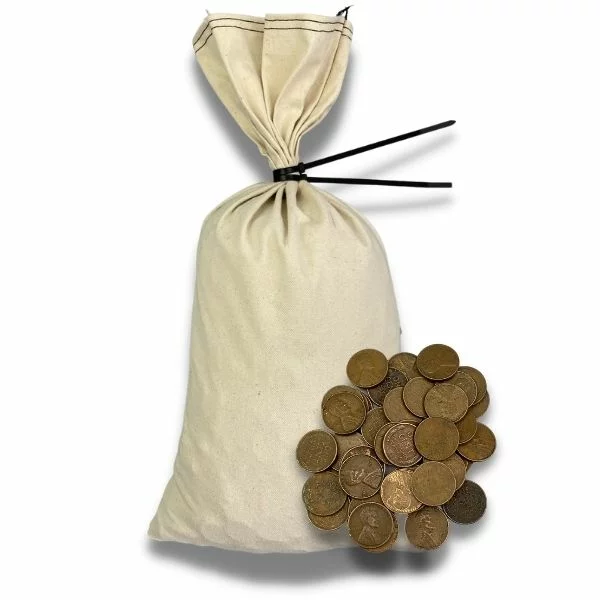
To actually invest in copper, investors should prioritize either paper copper (i.e. copper ETFs or futures) or extremely large physical copper products. Retail copper items, such as copper coins, bars, or rounds, are rarely a cost-effective way to invest directly in the copper market. Because physical copper products are small and sell for large premiums over the metal’s spot price, investors will seldom see profit when buying and selling copper rounds or bars.
That being said, not all investors buy copper products because they want to profit financially. Copper bars and rounds are highly collectable, and some mints produce extraordinarily beautiful bars and rounds for collectors to enjoy and display.
Retail copper investors like yourself tend to fall into one of two categories.
First, some copper investors seek to profit by speculating on the price of the metal itself. For these investors, paper copper and extremely large products are the way to go, because these investment products sell at low premiums compared to rounds, bars, and other physical copper products.
Second, many copper buyers consider themselves more collectors than investors. These collectors prefer smaller physical copper products, such as copper bars, coins, and rounds. Collectors can capitalize on limited mintage copper rounds, unique copper products like copper bullets, or other physical copper items to build their collections.
Copper Rounds and Bars – Collecting and Investing
While copper rounds, bars, and copper chop and scrap are sold at high premiums over copper’s spot price, collecting copper items has long been a pastime for fans of precious metals and collectable bullion products.
Copper rounds and bars are readily available at a range of local shops, including local coin shops near you, antique malls, collectable stores, and more. Online precious metal dealers can also be a good source for high-quality copper bullion products. Hero Bullion is a leading online distributor of copper coins, bars, rounds, and other copper products.
Best Way to Invest in Copper
For speculators who believe copper will become more valuable in the future, the best ways to invest in copper are through ‘paper’ copper assets like copper ETFs/futures and large copper investments.
The largest obstacle to investing in copper is the high premiums associated with many physical copper products. Typically, premiums for a copper product decrease as the size of your investment increases. This means that the best way to invest in physical copper is through massive copper products weighing multiple pounds or kilograms.
Track the Latest Spot Price of Copper – Hero Bullion
The spot price of copper fluctuates constantly depending on a number of factors, including industrial demand, speculatory demand, and demand for collectable physical copper products. Find the latest spot price of copper on this page, along with historical data and analysis to help you better understand the evolving market for copper.