
Spot Silver Price Today
Current Spot Price of Silver
The spot price of silver refers to the current value of a single troy ounce of pure silver. Silver’s spot price fluctuates daily, so it is important that investors keep track of the current value of silver. A troy ounce of silver is currently worth over $30, but the spot price of silver has changed considerably over the course of 2024. This year is shaping up to be more of the same, and investors should expect significant movement in the spot price of both gold and silver throughout the course of 2025.
Throughout the past two-hundred years, the spot price of silver has ranged from just a few dollars to over $100 per troy ounce. At the top of this page, you’ll find the current spot price of silver, which is updated 24/7 to reflect the latest silver spot price. The spot price of silver fluctuates constantly depending on a wide range of conditions, including geopolitical uncertainty, inflation, interest rates, and dozens of other factors. Learning to anticipate potential trends in the spot price of silver is one way that investors can make more informed investing decisions. Like any other commodity, the best time to buy silver is when prices are low – and your goal should be to sell when prices are high. Understanding how the spot price of silver works is your first step toward a more efficient portfolio.
On this page, you’ll find everything you need to know about the spot price of silver, including historical price charts, investing tips, and more.
How is the Spot Price of Silver Determined?
Several different factors can cause the spot price silver to change. The most important conditions that drive the spot price of silver include:
- Supply and demand dynamics
- Geopolitical tensions and conditions
- Economic climate
Silver also sometimes responds to domestic economic factors, such as inflation and the federal interest rate set by the Federal Open Market Committee (FOMC). Below, we’ll take a closer look at what drives the current spot price of silver.
Supply and Demand Dynamics
Supply and demand is the most important factor used to determine the spot price of silver. At its core, the spot price of silver refers to the current market asking price of a single troy ounce of the precious metal. Like any other commodity, the value of silver increases when demand outstrips supply and decreases when supply is higher than demand.
Several factors can impact the supply-demand ratio of silver bullion. Typically, supply chain and mining operation disruptions are the main culprits behind drops in the supply of silver. Likewise, the advent of new mining techniques or the discovery of previously unidentified silver mines can lead to a higher total supply of silver. As for demand, the silver market is driven by a wide range of different factors. Namely, developments in the geopolitical and economic climate of the U.S. – and the world – can lead to heightened seasonal demand for silver, driving prices higher.
Geopolitical Conditions
Geopolitical conditions play a key role in determining the spot price of silver. Silver and gold are both considered safe haven assets, investment classes which tend to hold or gain value during periods of economic or geopolitical uncertainty. Historically, silver prices have thrived during unstable or uncertain geopolitical periods. Precious metal prices sometimes increase when geopolitical tensions worsen or armed conflicts break out.
In 2024, markets saw several examples of how geopolitical conditions can influence the price of precious metals. Both gold and silver increased in value after developments ongoing conflicts in the Middle East during 2024. When tensions escalated between Iran and Israel, safe haven assets like gold and silver spiked in value before retreating after tensions calmed between these two countries.
If you plan on investing in precious metals consistency, monitoring the news to get a general understanding of the world’s present geopolitical conditions is a great strategy.

Economic Climate
The economic climate of both the U.S. and world economy can also directly and indirectly impact the spot price of silver. Since silver has intrinsic value and is used in a range of different necessary technologies, this safe haven asset becomes more popular among investors when they’re concerned about the state of the traditional stock market and economy.
The spot price of silver is often negatively correlated with traditionally positive economic signals, including the performance of the stock market, the general state of the U.S. economy, and more. This is why it often seems like silver prices and stock market values move in opposite directions. While the stock market grows when investors feel optimistic about the state of the economy, precious metals and other safe haven assets appreciate in value when people are more pessimistic.
Silver and Inflation
Silver’s spot price sometimes increases during periods of high inflation. During the inflationary climate of 2022-2024, silver prices increased considerably as the purchasing power of the United States dollar decreased. This trend is not always the case, but silver’s intrinsic value makes it an excellent store of value when inflation wreaks havoc on the value of fiat currencies around the world.
How Do Interest Rates Impact Silver Prices?
Interest rates set by the Federal Reserve can also impact the spot price of silver. Since 2000, the spot prices of gold and silver have negatively correlated with the federal funds rate. This occurs most often because low interest rates run the risk of triggering higher inflation, which tends to have a positive effect on the value of intrinsically valuable safe haven assets.
In 2024, speculation surrounding interest rate cuts played a significant role in the spot price of both gold and silver. Rumors of interest rate reductions drove both gold and silver to yearly highs in 2024, even before these rate cuts became reality.

How Much Silver Does the Silver Spot Price Refer to?
When we refer to the spot price silver, we are generally talking about the global trading value of one Troy Ounce of silver. The Troy Ounce is considered the standard measurement for silver. Interestingly enough, this unit of measurement has been used for thousands of years.
Its name comes from a town in France in the Middle Ages called Troyes, where the precious metal was often traded as both a commodity and a currency. Sometimes, sites will break the spot price of silver down into different units of measurement, such as the price for a gram or a kilogram. Just because the spot silver price is quoted in Troy Ounces doesn’t mean that you have to buy silver an ounce at a time. Converting the spot price into grams or other small units is relatively simple, and many tools online can help you to do the math.
What Currency is the Silver Spot Price Quoted in?
The spot price for silver is generally listed in United States Dollars. The USD is an extremely stable currency and most currency/commodity exchanges use it as the basis for their trading pairs. This doesn’t mean that some websites don’t list this price in different currencies. Many sites offer the current spot silver price in a variety of the most popular world currencies. Even if your preferred currency isn’t listed on an exchange, figuring out the spot price of silver is just a matter of multiplying the exchange rate between your currency and USD by the current spot price of silver.
Popular Silver Products
There are many ways to invest in silver. A solid investment portfolio should take advantage of various different types of silver products. Each category comes with its own benefits and disadvantages. We covered silver ETFs and futures above. But some investors are most interested in holding physical silver. There’s certainly something to be said for the appeal of holding a tangible, measurable commodity. One major upside to physical silver is that your profits are never reliant on the sustained success of a larger banking or investment organization. You’re also able to keep all the profit that comes from positive price movements for silver if you invest in physical product. The spot silver price will remain the same, regardless of which type of silver product you choose to invest in. The only price difference will generally come from the premium. Learn more about some of the most popular silver products offered by Hero Bullion in the subsections below.

Silver Coins
Silver coins are one of the oldest forms of bullion in the world. Forms of silver coins have been used as currency for thousands of years. It’s only recently that silver coins became a recognized means of investing in the long-term value of this precious metal. Popular producers of silver coins include the United States Mint, the Royal British Mint, and Royal Canadian Mint, and Australia’s Perth Mint. Hero Bullion offers quality and pure silver coins from all of these mints, plus some of the lesser-known distributors of fine silver bullion all over the world. There are a couple major benefits to silver coins:
- Beautiful Designs. The collectability of silver coins comes primarily from their brilliant and intricate designs. Governments like the United States pay talented artists to create memorable designs for their annually released coins. We have these artists to thank for the Canadian Silver Maple, the American Silver Eagle, and numerous other popular coins from various government-backed mints. It’s hard to overlook the importance of these designs in the overall value of silver coins; a solid design helps add to the intrinsic value of a collectible piece. The designs don’t impact the spot silver price, but they do typically mean a higher premium over spot.
- Collectability. The collectability of a silver coin is determined by several factors. Pure silver coins have an intrinsic collectability; silver coins have been passed down from father to son for generations as heirlooms for this reason. But like we explained above, silver coins are often imbued with incredible designs. Many coins, including the Canadian Silver Maple and the American Silver Eagle, are released once yearly. This means that they generally appreciate in value over time, as more and more collectors begin searching for the decommissioned silver coins that you already own. This price appreciation helps to offset the spot silver price premium often added to the cost of a silver bullion coin.

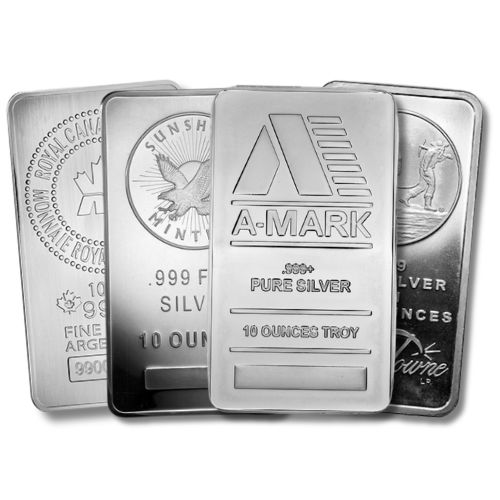
Silver Bars
Considering the high premiums usually placed on silver coins, it isn’t hard to see why a growing number of silver bullion investors are turning toward silver bars to fill their portfolios. Silver bars come with their own designs, which vary from mint to mint. However, many mints don’t put nearly the amount of artistic effort into bullion bars as they do coins. This is fantastic news for investors who want the most bang for their buck. The premium over spot silver price for silver bars is often extremely low; some distributors charge very little premium at all for pure silver bars. Two big benefits of buying silver bars include:
- Lowest Premium. Like we explained above, the low premium over spot silver price is a big draw of silver bars. Lowering the premium you pay for a given product means you’re buying more silver for your cash. In the long-term, maintaining a low initial investment cost for your portfolio can greatly impact your profits. Silver bars are frequently sold at a low premium, so you’re usually paying around the spot silver price for this product category.
- Easy Storage. We recommend purchasing protective sleeves or capsules for silver coins, as avoiding blemishes is essential to maintaining their long-term intrinsic collectable value. Silver bars are a bit different, as their value comes primarily from their silver content alone. This makes them a bit simpler when it comes to proper storage. You should still be concerned about tarnishing, so it’s best to store silver bars in a safe with humidity protection.
Silver Rounds
People often confuse silver rounds with silver coins. The two types of silver products are certainly similar to one another. Both are struck with pure silver and are circular, and even experienced collectors might be unable to tell the difference between a coin and a round. Like silver coins, silver rounds are sold with a pretty hefty premium over the spot silver price. The difference between coins and rounds is simple: silver coins are minted and supported by a government. Silver rounds are usually minted by private mints. The main advantage of buying silver rounds is the variety they offer:
- Variable Designs. Finding the right silver round can be a bit of a difficult process, considering the long list of private mints manufacturing this kind of product. This is also a plus, however, for collectors interested in unique and brilliantly designed silver products. Federal mints often produce a set number of coins per year, many of which are part of annual collections featuring the same group of designs. Because rounds are minted privately and sometimes sporadically, there are thousands of different silver round designs available on the open market. Keep in mind, however, that some mints charge a pretty large premium over the spot silver price for their silver rounds.

Benefits of Owning Silver Bullion
If you’ve read this far into our guide, you know that there are many different ways to invest in silver. Finding the lowest premium over spot silver price motivates some investors, while others look for the silver products most likely to retain collectable value over time. We have covered some of the benefits of each major type of silver product in the above sections. However, there are certain benefits shared by all types of silver. Whether you’re interested in buying silver rounds, silver coins, or silver bars, here are some of the biggest reasons millions of investors are buying silver. Much of silver’s appeal has to do with the precious metal’s extensive history of use as a form of currency and a store of value. Unlike some assets, silver’s worth is backed by thousands of years of use by various cultures all around the world. Other benefits of investing in silver include:
- Physical, tangible asset.
- Hedges against currency inflation.
- Portfolio diversification tool.
- Limited global supply.
It isn’t difficult to see why so many educated investment specialists recommend investing in silver, gold, and other precious metals. As the world remains uncertain and the global economy faces a litany of challenges, bullion remains steadfast as a way to store wealth in a measurable, tangible way.
Non-Physical Silver Investments
Physical, tangible silver isn’t the only way to invest in the precious metal. Silver ETFs and silver futures are two ways to invest in silver without taking physical possession of coins, bars, rounds, or other silver products. There are two main advantages to opting for silver futures or ETFs rather than physical silver:
- Lower or no premiums. When you buy stocks in silver or invest in silver futures, you will generally pay a lower premium over the spot price of silver on your investment(s). All physical precious metals are sold at a premium over spot price, making them more expensive than buying a non-physical stock or future in the silver market.
- No storage/security costs. Buying physical precious metals, especially in bulk, forces investors to figure out how to secure their investments. You don’t incur these same costs when you buy stocks in silver, since you don’t need to physically store and maintain your stocks.

COMEX Spot Silver Price
All of the terms used to describe various silver trading markets and exchanges can be difficult to navigate. COMEX is an exchange primarily used to allow traders to invest in options and futures. This is a different method of investing in precious metals like silver. Futures and options allow investors to profit off of the price trends of silver or other precious metals without necessarily actually possessing the commodity. Some futures contract markets do physical settlement of contracts, which means that the owner of a contract has the option of taking delivery of the silver they purchase at the contract’s expiration date. The spot silver price for COMEX will generally be the same as the price for all other silver exchanges, including physical bullion markets.
NYMEX Spot Silver Price
NYMEX also offers investors the opportunity to trade gold, silver, and other precious metal futures and contracts. Both COMEX and NYMEX are subsidiaries of CME, a larger investment group, or the Chicago Mercantile Exchange. The CME merged COMEX and NYMEX into their company in 2008, and they’ve been part of the same group ever since. The two exchanges will usually list the spot silver price as the same figure.
Silver ETFs and Futures Explained
Silver ETFs and futures are two different methods of investing in non-physical silver. While silver stocks like ETFs and futures allow investors to save money on silver premiums and storage/security fees, they also don’t offer the numismatic value and collectability associated with physical silver.
Silver ETFs are functionally just stocks in silver. ETFs are often sold based on the current spot price of silver.
Futures contracts in silver are a bit more complicated. When you buy a futures contract, you’re effectively betting on the future spot price of silver. You’ll lock in the current spot price of silver and agree to pay that price at a later date. If the spot price of silver goes up, you profit. And if the spot price of silver goes down, you lose money. Conversely, you can short the price of silver. Shorting silver means that an investor agrees to sell silver at its current price at a later date. Then, if the price of silver goes down, you profit!
Do I own Silver if I Buy Silver Futures Contracts?
Generally, you do not actually own silver when you invest in futures contracts. The success of your investments does depend on the actual spot price and trends associated with the silver market. You will only physically possess silver if the exchange you invest with does physical delivery of contract commodities. If you’re investing with margin or investing in significant amounts of physical product, be sure to avoid contracts that require physical settlement. There are horror stories of traders in other markets being forced to somehow take delivery of hundreds of barrels of oil. You don’t want to end up in this predicament.
The Biggest Benefit of Buying Silver Futures
As you might imagine, one undeniable benefit to buying silver futures contracts is that it doesn’t require investors to take possession of physical bullion. Profits are made (or lost!) based off of the ups and downs of silver’s value. An added advantage has to do with the concept of leverage. Because futures are an established market without mandatory physical settlement of contracts, many exchanges allow investors to trade on margin. This means that they can purchase silver futures using only two percent of spot silver price.
Disadvantages to Silver Futures Contracts
The added risk of trading on margin shouldn’t be underestimated. Because trading silver futures allows you the opportunity to make tremendous profits, a high-margin contract can also cost you big if the spot silver price dips unexpectedly. Like the people who accidentally were forced to take physical delivery of thousands of pounds of gold or barrels of oil, there are horror stories of traders losing hundreds of thousands of dollars by betting big on silver futures contracts. We only recommend futures trading on margin to extremely experienced traders.
Silver ETFs and Silver Futures Contract Prices
Gold and silver ETFs used to be investments reserved only for the wealthiest traders. However, COMEX and NYMEX are beginning to shift this dynamic. The historical rise in the spot silver price has much to do with this changing paradigm for silver investment. In fact, ETFs are often one of the easiest ways for retail investors to get involved in the silver market with a low minimum amount of capital. When you buy into a silver ETF, you can often buy very small percentages of the larger ETF. A single share of a silver ETF can cost less than one-hundred dollars. Because ETF shares can be bought and sold at any time, they make it a lot easier for investors to ‘cash in’ on bullish movements in the value of the commodity. Put more simply, it’s easier to liquidate silver ETF shares for a quick profit than to find a buyer for physical silver bullion.
Silver as an Investment
Like any speculative activity, investing in silver comes with risks. The historical spot silver price sets the commodity up as a counterweight to the risk of the traditional stock market, but dips and bearish trends are not uncommon for silver. If you’re considering investment in silver, you should also understand how the asset is taxed; special tax rates might apply to both short and long-term investments in silver bullion of all kinds.
How Often does the Spot Price Silver Change?
The spot silver price is in constant flux. Remember: any kind of investment comes with inherent risk. The overall historical trend in the spot price of silver has been positive, and this is one reason so many investors are keeping part of their portfolio in precious metals such as silver and gold. Silver is also an excellent way to hedge against both inflation and uncertainty; balancing riskier investments with the more consistent silver can be a good way to mitigate risk and offset more volatile stocks. Dollar-cost averaging is one strategy investors use to invest in silver. It involves investing a set amount of money into silver consistently over a long period of time. The goal is to bring the average dollar cost of your investment as low as possible.
Are Silver Stocks and Silver Bullion Calculated from Spot Silver Price?
Both silver stocks like ETFs and futures are calculated from the spot silver price of the commodity. In a manner of speaking, the spot silver price represents the current value of silver. Whether you’re purchasing a physical silver product or a stock in a silver ETF, the value of the precious metal remains the same. When physical silver’s spot price increases, the value of each share of an ETF increases as well.
How Does the Spot Silver Price Affect my Silver IRA?
Silver IRAs allow people to invest in physical silver products, including bars and coins. This makes this kind of IRA unique, as most other types of IRAs involve primarily stocks in the traditional sense. Because this IRA involves physical bullion, the spot silver price directly influences the value of your portfolio. When the spot silver price goes down, your silver IRA products will become less valuable as well.
How much Money do I need to Buy Silver Bullion?
This will always depend on the current spot silver price. Dollar-Cost Averaging, or DCA, is one method people use to invest in commodities, including silver. Whether the spot silver price is high or low, a smart DCA investor will accumulate a set dollar amount of the precious metal each week, month, or every few months. As a result, they seek to obtain a low average cost for their silver and profit in the long-term regardless of momentary price movements of the silver bullion. The cost associated with buying silver bullion also depends on the type of silver product you buy, as well as the premiums over spot that your chosen products carry.
Is Physical Silver Bullion Taxed?
This is a common question. Both physical silver bullion and silver ETFs/futures are taxed by the government. These holdings are taxed like all other capital gains, which is determined by your tax bracket. The maximum tax rate for physical silver is 28%. Like regular stocks, gold, silver, and other precious metals are taxed differently depending on how long you hold the asset. Short and long-term capital gains come with their own tax rates.
Frequently Asked Questions (FAQs) About the Spot Price of Silver
Hero Bullion is excited to help you figure out the right way to invest in silver bullion for your own needs. The spot silver price changes daily, but we offer competitively low premiums over spot on all of our physical silver bullion products. Below, we’re answering some of the most frequently asked questions we receive about the spot price of silver.
Can I Buy Silver Bullion at Spot Silver Price?
Silver bullion can be purchased at a price relatively close to the spot silver price. However, you will pay some sort of a premium over spot on any silver product you buy. Research the spot price of silver and the premiums of a given distributor before making your purchase. Your best bet for ensuring maximum profit from investing in silver is to buy products with a low premium. Silver bars are fantastic for this purpose, although they don’t offer the kind of collectable appeal that coins and rounds provide.
What is a Premium Over the Spot Price of Silver?
A premium over the spot silver price is an additional fee added to the cost of a silver bullion product. All silver products come with some sort of premium over spot, although the premium for some products is higher than others. Different distributors also might have different premiums for their products. High premiums can often be offset by the collectable value of some products, which adds an additional decision that new silver investors need to make.
Are Silver Premiums a Fixed Dollar Amount or Percentage Over the Spot Price Silver?
Silver premiums should always be calculated by a percentage, and this does not typically change from distributor to distributor.
What is the Difference Between Bid and Ask Spot Silver Price?
“Ask” refers to the lowest price at which you can buy a given amount of silver bullion. The “bid” price of silver is the highest amount that someone is willing to pay for this given amount. If you plan on selling silver, your price is the “bid” price. Buying silver means that you pay the “bid” price. A high margin between the bid and ask spot silver price suggests volatility in the market, while a narrow gap between the two figures is a sign of stability.
How Many Grams are in a Troy Ounce of Silver?
There are approximately 31.1 grams in a Troy Ounce of silver. If you’re struggling to figure out how many grams of silver you want to buy given the current spot silver price of a Troy Ounce, many tools online can help you convert one weight to another.
How Many Troy Ounces are in a Kilogram of Silver?
Each kilogram of silver contains 32.15 Troy Ounces. Buying larger amounts of silver can cut down on the price you pay per gram on average.
Is the Price of Silver Different if I Pay by Bank Wire than if I Pay by Credit Card?
It does technically cost more to buy silver with a credit card than other payment methods. This doesn’t mean that the spot silver price changes depending on the payment used, however. The difference in price from credit card to bank wire just accounts for the fee charged by the bank handling the transaction. This is the same fee applied to many different large purchases with a credit card.
What Silver Bullion should I Buy?
For the most part, the type of silver bullion you should buy depends entirely on your investment objectives and preferences. If you plan on holding silver bullion for a long time and want to maximize the appreciative value of your investment, silver coins are a good option. These products are struck with brilliant designs and often belong to valuable larger collections. But some investors are interested in shorter periods of holding and might prefer the lowest possible premium over spot. Bars are usually the best option for these kinds of traders.
What Types of Silver Bullion have the Lowest Premium or Dollar Amount over the Price of Silver?
Silver bars have the lowest premium or dollar amount over the spot silver price. Bars with more complicated face designs or special security features might have an additional cost on top of the spot price of their precious metal content, so investors who want to really cut down on premium costs should look for the most simple silver bar designs they can find.
Does the Face Value of a Silver Coin Affect its Actual Intrinsic Value?
The face value of a coin has little to no bearing on its silver value. Coins with a face value are officially backed by a sovereign government. The core determinant in the intrinsic value of a coin is the amount of pure silver that it contains. Additional value may be associated with its collectability and design type. The American Silver Eagle, for example, is a popular coin with high potential value appreciation.
If the Spot Price Silver is $20, Why do Some Coins Sell for Double the Price of Silver?
The difference in spot price and value for a silver coin generally comes from an added premium. Some silver coins may sell for $40, even when the spot silver price is only $20. Silver coins have some of the highest premiums of any silver product, partly because you’re paying for the labor associated with the coin’s production as well as the silver it’s struck with. Coins with a limited mint number and coins with a high global demand might come with a higher premium over spot.
Do Silver Bars from the Same Mint have a Difference in Cost Depending on their Size?
The larger a silver bar is, the lower the price you’re likely to pay over spot silver price. You can think of this as a bulk discount. Investors who want as much silver as they can get for their money should consider buying larger pieces. Small silver bars will generally have the highest cost over the spot silver price among silver products. If you’re trying to decide between buying multiple small silver bars or one large one, we’d recommend splurging on the larger option. You’ll save a bit of money and acquire more pure silver at the same time. We’d recommend splurging on the larger option. You’ll save a bit of money and acquire more pure silver at the same time.