
How to Know Which US Coins Are Silver

At a Glance:
-
- U.S. dimes, quarters, half dollars, and dollars minted before 1965 are 90% silver.
- Kennedy half dollars were 40% silver from 1965 until 1970.
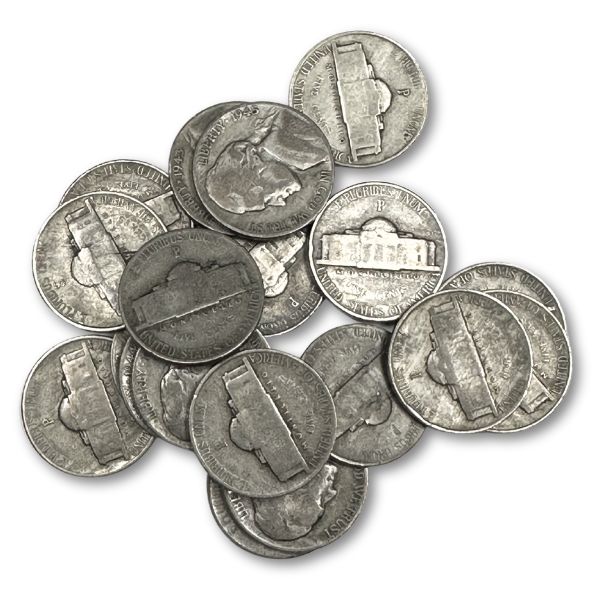
- U.S. nickels were briefly made with 35% silver from 1942 until 1945.
- On this page, learn how to identify which circulating U.S. coins are silver.
How to Know Which US Coins Are Silver
Circulating U.S. coins in the modern era are made using inexpensive metals, but this was not always the case. Prior to 1965, several American coins were minted with 90% pure silver. Often called “junk” or “constitutional” silver, buying these old silver coins is a popular way to invest in silver.
Because of the high spot price of silver, circulating silver coins are now worth considerably more than face value. If you’ve got a jar filled with old coins in your home, you could be sitting on quite a bit of money!
Identifying which U.S. coins are silver is a bit trickier than simply confirming that they were minted in 1964 or earlier. Certain coins minted after 1964 contain <90% silver, and many coins minted before 1965 were never struck using silver.
We’ve got you covered.
On this page, learn more about which U.S. coins are silver, how to test for silver at home, and more.
Which American Coins are Silver?
Generally speaking, the following coins were minted using 90% silver prior to 1965:
There are exceptions to this rule, though. Examples of coins that surprisingly include silver include the iconic wartime nickel and a couple of post-1965 half dollar coins.
From 1965 until 1970, Kennedy half dollars were minted with 40% silver. As for the U.S. nickel, these coins were minted using 35% silver from 1942 until 1945 in an effort to conserve nickel for the war effort during World War 2.
Circulating Silver US Coins
No circulating U.S. coins are made with real silver today. While the U.S. Mint produced coins with real silver for much of American history, this tradition ended in 1965. Since then, all U.S. coins intended for circulation are minted with cheap base metals, rather than silver or gold.
Pre-1965 Silver Coins: An Overview
U.S. dimes, quarters, half dollars, and dollar coins were minted using 90% real silver until 1965. The Coinage Act of 1965 removed silver from most U.S. coins, although it did reduce the Kennedy half dollar to a silver purity of 40% from 1965 until 1970. Aside from this exception, 1964 marked the final year that circulating U.S. coins were minted with genuine silver.
Today, pre-1965 coins are often called junk or “constitutional” silver. Because of their wide availability and diminished purity compared to modern bullion coins, buying junk silver coins can be a great way for investors to save money on silver premiums.

Figuring Out Which US Coins Are Real Silver
Pre-1965 U.S. coins made with real silver can be extremely valuable. A silver quarter, for example, is worth multiple times its face value due to the silver it contains. Whether you’re a collector looking to verify that your junk silver coins are really silver or just someone trying to figure out which coins in your coin jar could be silver, we’ve got some tips to help.
The Date “Test”
The most straightforward way to figure out if a circulating U.S. coin is silver is to take a look at its type and date. If your coin is a dime, quarter, or dollar coin, then it is silver only if it is dated 1964 or earlier. For nickels, the magic date for 35% silver content is between 1942 and 1945. Half dollars dated prior to 1965 are 90% silver, while Kennedy halves dated between 1965 and 1970 are 40% silver.
To summarize:
- Dimes, quarters, half dollars, or dollar coins minted before 1965 – 90% silver.
- Half dollars minted from 1965-1970 – 40% silver.
- Nickels minted 1942-1945 – 35% silver.
By knowing when the U.S. Mint ceased using real silver to produce circulating coins, you can quickly confirm whether your coin is probably made with the precious metal.
Testing Silver At Home
Just because a coin’s date suggests that it may have been made with real silver doesn’t necessarily mean that it is. The counterfeit industry for gold and silver coins is absolutely massive, and even experienced collectors sometimes get tricked by fakes.
While the most effective way to confirm a coin’s silver content is to consult an expert, you have several options if you would like to test your circulating coins for silver at home.
Some of the most popular at-home silver tests include:
- The ping test. During the “ping” test, collectors tap a coin and listen to the ringing sound it creates. While not particularly reliable for inexperienced investors, seasoned coin collectors can learn to quickly distinguish between the ping sound created by silver and sounds made by other metals.
- The magnet test. Silver is diamagnetic, which means that silver items are slightly repelled by magnets. Running a magnet over a coin can quickly eliminate fakes; if a coin sticks to the magnet, it is almost certainly not silver. The magnet slide test involves sliding silver down an angled magnet. Because of the eddy current effect created when diamagnetic silver is exposed to a magnet, silver slides slowly down a silver slide compared to other metals.
- Machine testing. Silver testing machines are a popular and generally effective way to confirm an object’s silver content. These tests use electromagnetic currents to determine the metallic composition of a coin, bar, or round.
Below, we’ll take a closer look at these popular methods of testing silver coins at home.

The Ping Test
The “ping” test is a favorite among many lifelong silver stackers. This test may not be the most effective, but its simplicity makes it a quick way for investors to quickly get a moderately good idea of whether they’re dealing with obvious fakes.
To do the ping test, investors lightly hold a coin between their fingers before striking it with a non-metal object. Because silver has excellent acoustic properties, a silver coin will often cause a long, distinct ringing noise.
New investors should know that the ping test is not a foolproof method of determining whether an object is made of real silver. Experienced collectors sometimes use this test to get a “quick and dirty” idea of what metal they may be dealing with, but additional testing is almost always necessary if you want to be sure about your coin’s metal composition.
The Magnet Test
The magnet test is another simple at-home test used by investors to confirm the silver content of their coins, bar, rounds, or jewelry. Silver is diamagnetic, which means that it is slightly repelled by magnetism.
In other words, a genuine silver coin should not be attracted to magnets. The simplest way to do the magnet test on a silver coin is to hold the magnet near your coin. If the coin is pulled in and clearly sticks to the magnet, then you are not dealing with a highly pure silver coin.
The magnet slide test is an even more effective way to determine whether an item is likely made of silver. During the magnet slide test, a silver item is placed on an angled “slide” made from a magnet. Because silver is diamagnetic, the “eddy currents” effect created when the metal is exposed to magnetism causes a silver object to fall more slowly down the slide than other metals.
Magnet tests are also never foolproof. The magnet test can weed out obvious fakes; an object that strongly sticks to a magnet is not silver. However, an object passing the magnet test doesn’t necessarily mean that it is silver. Plenty of metals other than silver are also nonmagnetic or diamagnetic, so this test can lead to false positives if you don’t follow up with additional approaches.
Machine Testing
Machine testing is a relatively effective and consistent way to confirm the silver content of a coin, bar, or round, but these machines can be expensive. Metal testing machines also range in quality, depending on your model and the type of machine you choose to use.
That being said, silver testing machines like sigma testers are considered the standard in many professional coin shops and bullion dealers.
The major limitation of machine testing silver is that a good machine tester only measures the metal content of an object, not its authenticity. For U.S. coins, particularly those with numismatic value, authenticity involves much more than just confirmation that a given coin is made of real silver.
Overall, machine testing is the most consistent way to verify that an object is silver, but it comes at an added cost and can only tell investors so much.
Final Thoughts: Which US Coins Are Real Silver?
U.S. dimes, quarters, half dollars, and dollar coins minted in 1964 or earlier contain 90% silver. Kennedy half dollars minted from 1965 until 1970 are 40% silver, and U.S. nickels were made with 35% silver from 1942 until 1945. Modern U.S. coins meant for circulation typically contain no silver.
These pre-1965 silver coins are worth quite a lot more than their face value, so collectors should know how to identify them in the wild. After all, the last thing anyone wants is to leave money on the table!
You might also be interested in:


About The Author

Michael Roets
With over six years of experience reporting on precious metals, Michael Roets covers market news, buying guides, and commentary for Hero Bullion.