
Here’s How the U.S. Mint Chooses Its New Coins

At a Glance:
-
- To many coin collectors, the process used to create new currency coins may seem complicated.
- In reality, the U.S. Mint is relatively transparent about how new coins are chosen and produced.
- On this page, learn more about the steps used by the U.S. Mint to create new United States coins.
How the U.S. Mint Makes New Coins
Since its establishment in 1792, the United States Mint has become one of the most important American institutions. Every year, the U.S. Mint produces billions of coins on behalf of the Treasury, and these coins form the foundation of the United States economy. To coin collectors, though, the U.S. Mint has another equally important purpose. The coins produced by the U.S. Mint sometimes become sought-after collectibles, and the quality of a coin’s design can make or break its long-term numismatic appeal.
For many Americans, the U.S. Mint’s process for producing coins can seem like one big mystery. Somebody somewhere comes up with a design, and then that design eventually makes its way into our pockets. Right? Not quite. In reality, the U.S. Mint follows a strict set of guidelines and regulations throughout the production of a new coin. And it isn’t just the U.S. Mint’s designers who play a role in the creation of new coins. Both the executive and legislative branches of the government are involved in the design and authorization of new circulating United States coins.
Still have questions? We’ve got you covered. On this page, learn more about how the United States Mint works with Congress and the U.S. Treasury to create and mint the coins that make economy – and coin collecting – work.
How a Coin is Born
Some Americans mistakenly believe that the coin production process is solely governed by the U.S. Mint. This is far from the case. The U.S. Mint is actually a bureau within the Department of the Treasury, the government agency responsible for regulating currency, trade, and commerce. But the Treasury, which is part of the executive branch, does not typically design new coins unilaterally. Instead, Congress approves new coin designs, and the Treasury works with the U.S. Mint to ready these coins for production and circulation.
So how is a new coin designed at the U.S. Mint? As a brief overview, here’s how new coins are created in the United States:
- Congress orders the creation of a new coin. New coins begin their production cycle in Congress. Congress is responsible for passing legislation that requires the U.S. Mint to create new coins for circulation. This happens regularly and is considered one of the core responsibilities of both Congress and the Department of the Treasury.
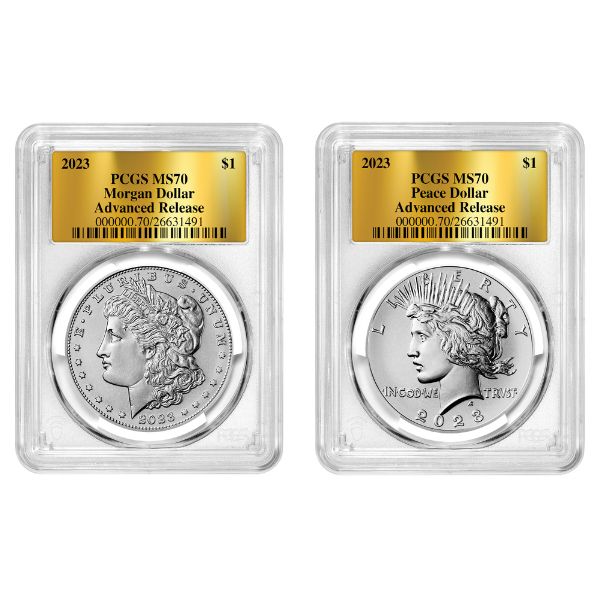
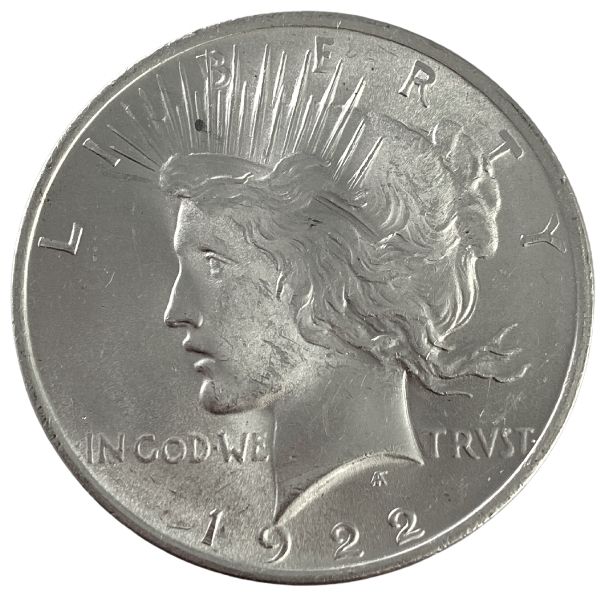
- The U.S. Mint creates a design. The process used to design a new coin can vary. Sometimes, the legislation passed by Congress requires that a coin design be chosen via a public competition, as was the case with the Peace silver dollar. Other times, the U.S. Mint may lean on its own designers or the Chief Engraver to create artwork for the new coin ordered by Congress. In either case, the U.S. Mint typically proposes multiple designs for approval.
- A design is chosen. A coin’s proposed designs go through multiple committees and decision-makers before a winner is selected. This process begins with a meeting of the Mint and its key stakeholders. After that, several committees review and recommend their preferred designs to the Secretary of the Treasury, who makes the final decision. If you’ve been keeping track, the coin creation process has now directly involved the U.S. Mint, Congress, and the Secretary of the Treasury!
- The coin is sculpted and tested. After receiving a final decision on from the Treasury Department, the U.S. Mint’s in-house artists work to sculpt the new coin. Because this new coin needs to be tested using something called a ‘test die,’ it may undergo substantive revisions before the first coin is officially introduced into circulation.
- The coin is struck! The final step in the development of a new coin is to strike it. The U.S. Mint begins with a test strike to make sure that the coin’s designs are clear and meet the requirements set by Congress. After that, the U.S. Mint begins striking thousands, millions, or even billions of these new coins for the general public!
As you can see, there’s actually quite a bit of work that goes into the creation of new coins in the United States. This shouldn’t be all that surprising, though. Throughout the nearly-250 years of the United States of America, coinage has been both a subject of national pride and, occasionally, the object of considerable controversy. Certain U.S. coins were met with heavy resistance from U.S. coin collectors, and some U.S. Presidents have been especially passionate about our coins. Teddy Roosevelt’s obsession with American coinage led the U.S. Mint to enlist the help of Augustus Saint-Gaudens, whose coins are now considered some of the best to ever come out of the United States.

Who Decides New U.S. Coin Designs?
Technically, the final approval for a new U.S. coin’s design comes from the Secretary of the Treasury. As of March 2025, Treasury Secretary Scott Bessent will be responsible for giving the final nod to prospective circulating coin designs. In practice, however, the two main entities responsible for choosing the designs of new U.S. coins are the Citizens Coinage Advisory Committee (CCAC), an advisory committee, and the Commission of Fine Arts (CFA), an independent agency.
These two agencies review designs submitted by the U.S. Mint and propose their preferred designs to the Secretary of the Treasury. They do not have to agree on which design is best, and the job of the Treasury Secretary is to select the final design from the pool submitted by these two entities. Because the CCAC and CFA are staffed by some of the most influential coinage experts, artists, and numismatists in the country, their chosen designs are often selected by the Treasury.
U.S. Mint Art Competitions
U.S. Mint coin designs are usually solicited using one of two methods.
First, the U.S. Mint may lean on its own in-house artists to create designs that fulfil the orders of Congress. The United States Mint will often use its own teams of medallic artists in order to craft new designs for circulating U.S. coins. This team of medallic artists is headed by the United States Mint Chief Engraver. The current Chief Engraver of the United States Mint is Joseph Menna, who has held the position since 2019 and is the 14th Chief Engraver.
Other times, public design competitions are used to source submissions from talented artists. Truly public U.S. Mint design competitions are relatively rare, but competitions among invited sculptors are not unheard of. This is how the U.S. Mint achieved the iconic design of the Peace silver dollar. Sculptor Anthony de Francisci was both the youngest and least experienced of all competitors in the invite-only competition. Nonetheless, his design won – and has since become a staple of American coin collecting.
Final Thoughts: Here’s How the U.S. Mint Produces New Coins
For most Americans, there’s a bit of mystery to how the coins in your pocket become currency. Luckily for us, the U.S. Mint is pretty transparent about the process used to create new coins for circulation. This process involves Congress, the U.S. Mint, independent advisory committees, and the Secretary of the Treasury. In short, there are quite a few steps before a coin turns from an idea into a piece of metal in your pocket!
You might also be interested in:


About The Author

Michael Roets
With over six years of experience reporting on precious metals, Michael Roets covers market news, buying guides, and commentary for Hero Bullion.