
The Anatomy of a Coin | An Illustrated Guide to the Parts of a Coin

At a Glance:
-
- Each coin features an obverse, the heads side, and a reverse, which is the tails side.
- Coins from around the world share certain visual characteristics that can help you identify them.
- On this page, learn everything you need to know about the parts of a coin.
Understanding the Parts of a Coin
Have you ever wondered about the strange, small markings on some of your silver coins? If you’re a coin collector, a silver stacker, or just a fan of currency coins, you’ll hear dozens of terms used by experts to discuss the various parts of coins. The rim, the edge, the obverse, the reverse, denominations, fields, reliefs… it can seem like a lot. We’ve got your back, though.
Understanding the parts of a coin can make it easier for collectors to identify and valuate coins. Some parts of a coin’s anatomy, such as the mint mark, can directly influence how valuable it might be. Certain silver dollars with rare mint marks are worth hundreds of times their silver melt value. Long story short, knowing the parts of a coin can help you take your collecting game to the next level.
On this page, we’ll teach new (and seasoned) collectors everything they need to know about the anatomy of a coin.
The Basic Anatomy of a Coin
Let’s start with the basics. What are the sides of a coin? Every coin technically has three sides: the obverse, reverse, and the edge. The obverse of a coin is the front side, often called “heads.” This popular term makes sense, given that most U.S. coins feature the head of a president or important leader on the obverse side. The reverse of the coin, usually called tails, also features a unique design.
The third “side” of a coin is barely a side at all – it is called the edge. The edge coin is the smallest side of a coin; it’s what allows you to roll a coin along a surface. A coin’s edge is an important part of its design. Some coin edges include ridges, which are small, textured markings that were historically used to deter people from shaving silver off of bullion coins. Other coin edges are completely smooth, which means they feature no ridges. Occasionally, mints will make coin edges with a missing ridge, a small security feature that makes it harder for counterfeiters to trick consumers with fake coins.
Let’s review the three sides of a coin:
- The Obverse. Also known as heads, the obverse of a coin is the front side. Most American coins feature the face of an important figure, such as a U.S. President or Lady Liberty, on the obverse.
- The Reverse. The reverse side of a coin, also known as tails, usually features some kind of artwork, as well as the denomination of a U.S. coin.
- The Edge. A coin’s edge is the small surface area surrounding the coin. Edges can either be smooth or feature ridges, which are small, textured, vertical marks that extend all around the coin.

The Edge vs. the Rim of a Coin
Some new coin collectors confuse the edge and rim of a coin. The edge of a coin refers to the smooth or ridged surface surrounding a coin, but the rim is the slightly raised area that acts as the border on a coin’s obverse and reverse. One way to remember the difference between the edge and the rim is that a coin can roll along its edge – but not its rim.
Here’s an illustration of the difference between a coin’s edge and rim:

A Closer Look at the Anatomy of a Coin
Of course, the obverse, reverse, rim, and edge are not the only parts of a coin you need to know. Each coin features six main visual features that help investors identify the details of their modern silver collectibles:
- Relief
- Field
- Mint Mark
- Date
- Artist Initials
- Denomination
Here’s a visualization of the six main parts of a modern coin:

Below, we’ll give readers a brief overview of how to identify – and why to care about – each part of a coin’s anatomy.
The Relief
What is relief on a coin? A coin’s relief refers to its designs. The designs on most circulating coins are raised above the rest of the coin, which helps the design stand out and gives each coin a distinct look. Because the degree of three-dimensionality on a coin’s relief can vary, it gives mint artists an opportunity to make some coins more unique than others.
High relief coins, for example, are more three dimensional than traditionally minted coins. Some high relief coins have designs that are raised far above the surface, or field, of the coin. Here’s an example of a popular high relief silver round available on our website:
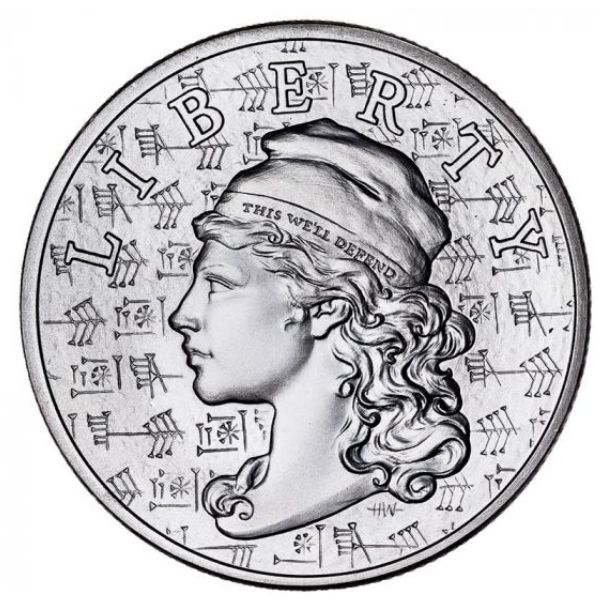
Even among coins that are not high relief, the relief is an important part of what makes a coin valuable. In simple terms, a coin’s relief is the design that makes it popular or notable among collectors. Some coins are reverse proof coins. A reverse proof coin is easy to spot because it features a shinier-than-usual relief.
The Field
If a coin’s relief is its design, then the field is the area where no design exists. Think of the field of a coin as the background that the design sits on. Proof coins, as pictured below, feature normal reliefs but shiner-than-usual fields. Take a look at one of our most popular proof coins:

Mint Mark and Date
Mint marks and dates are two important features that we use to identify a coin.
The mint mark of a coin tells collectors which of several U.S. Mints produced the coin in question. On United States coins, the mint mark is usually located on the obverse side – the front of the coin. Modern coins minted in the United States feature one of four possible mint marks:
- P or No Mint Mark – Philadelphia Mint
- S Mint Mark – San Francisco Mint
- D Mint Mark – Denver Mint
- W Mint Mark – West Point Mint
For old and numismatically valuable U.S. coins, the mint mark plays an important role in determining both rarity and value. During some years, certain mints only produced a very small number of a given coin. A combination of a rare mint mark and a rare date can make certain coins quite valuable to coin collectors.
A coin’s date is also usually found on the obverse, or front, side. Some dates for certain coins are extremely valuable or hard to find – we call these key dates.
Artist Initials
Most American coins feature a very small set of letters, often on the reverse side, to tell collectors which artist produced a particular coin’s design. Throughout the history of the United States Mint, hundreds of artists have collaborated to produce some of the most recognizable, iconic designs in coinage history.
Take a close look at this modern 2024 American Silver Eagle coin. Interestingly enough, this coin actually features two sets of artist initials on the obverse side. Artist Emily Damstra initialed the left side of the flying bald eagle, and legendary mint sculptor Michael Gaudioso initialed on the right side.

Usually, the presence of an artist’s initials plays only a small role in the value of a U.S. coin. Most coins include artist initials, so finding your artist’s initials on your coin is usually nothing more than a fun way to learn more about your newest silver investment.
Denomination
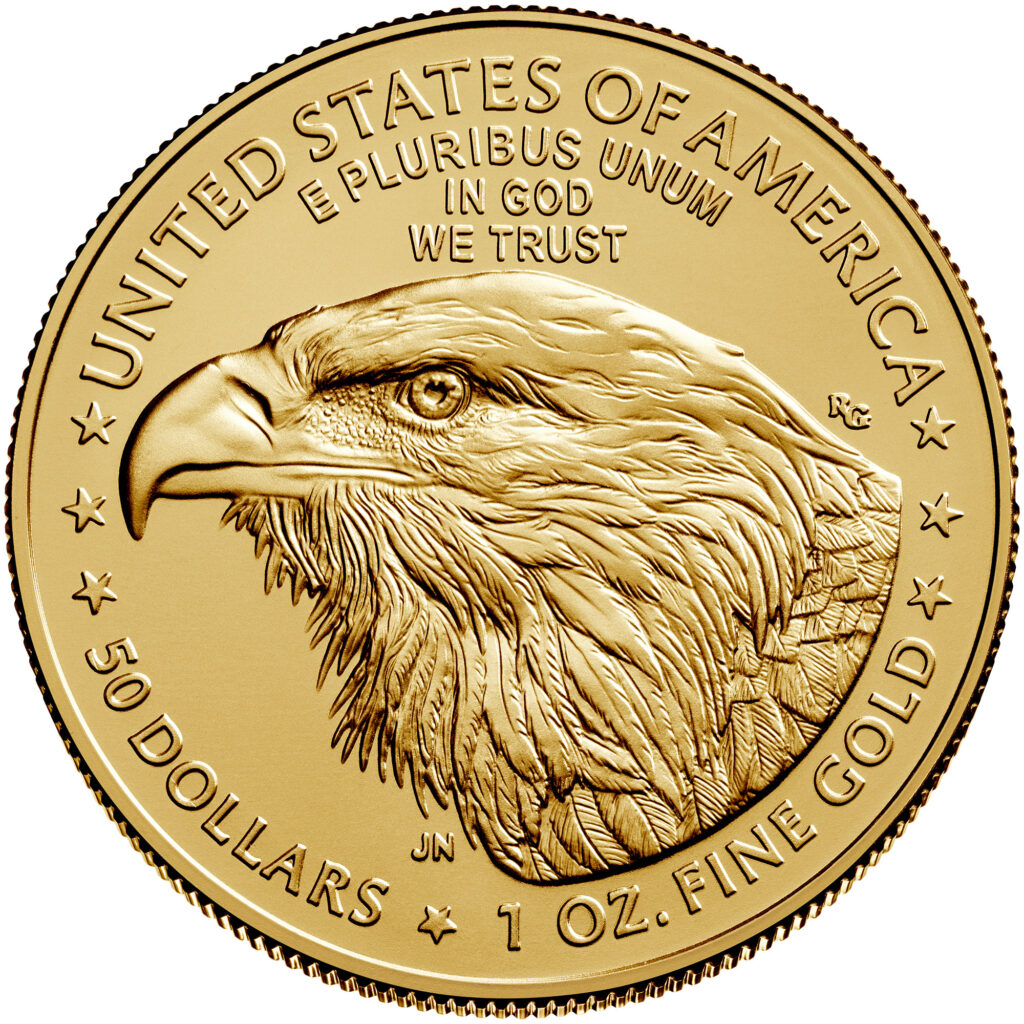
All sovereign coins, or coins produced by a government mint, are technically usable as currency. Therefore, expect to find a denomination on all sovereign coins you buy from the U.S. Mint, Royal British Mint, or any other mint run by a national government. The denomination of a coin, also known as its face value, represents the value of the coin as prescribed to it by the government mint who produced it.
The denomination of a coin plays little role in its market value, since denominational values for bullion coins are always lower than the melt value of the precious metals they contain. Still, your coin’s denomination can be an easy way to verify that an actual government produced your investment.
Other Parts of a Coin
Most coins also feature inscriptions, which are small words or phrases that can give collectors more insight about which mints – and cultures – helped produce a given coin. You may notice that U.S. coins always feature two main inscriptions:
- “In God We Trust”
- “E Pluribus Unum”
“In God We Trust” is a phrase that has appeared on every piece of American currency since 1957. The inscription “E Pluribus Unum,” meaning “Out of Many, One,” first appeared on American coinage in 1795 and has become the official motto of the United States.
You’ll also find the name of the producing country on most coins. U.S. coins also include the word “Liberty” on most currency coins dating back hundreds of years.
Final Thoughts: Here’s Why the Anatomy of a Coin Matters
Whether you’re a seasoned numismatist or a brand new coin collectors, it’s important that you understand the various parts of a coin. The parts of a coin can give you key insights into the coin’s history, rarity, and value. While most U.S. coins are easily identifiable by their relief, date, and mint mark, older coins may require savvy collectors to use a wide range of details to figure out precisely which coin they’re looking at.
Always take a close look at your coins before turning them in to a coin dealer to sell. After all, you could be selling a hidden gem!
You might also be interested in:


About The Author

Michael Roets
With over six years of experience reporting on precious metals, Michael Roets covers market news, buying guides, and commentary for Hero Bullion.