
What is a Numismatist? | Numismatics and Rare Coins Explained

At a Glance:
-
- Numismatists are experts who specialize in studying coins or other mediums of exchange.
- This field, known as numismatics, helps keep the coin industry running.
- Numismatists generally take certification courses and can work in multiple different industries.
What is a Numismatist?
As a coin collector, you’ll likely hear the terms numismatics and numismatist quite a lot. These terms can seem complicated, especially for new coin collectors trying to gain footing in this complex – but rewarding – industry. The good news is that these terms are actually surprisingly simple to understand.
What is a numismatist? A numismatist is a professional who specializes in numismatics, the study of coins, paper notes, or other mediums of exchange. Numismatists are essential to the precious metals industry. If you’ve ever had a coin professionally graded or researched online to identify a strange metal product, you have a numismatist to thank!
Numismatics is a wide-ranging field, and there are many different types of numismatists. Some numismatists work as professional coin graders, and other numismatists write academic papers and conduct historical research published in magazines. Many numismatists establish their own rare coin shops, making numismatics an excellent discipline for entrepreneurs who want to one day start their own precious metals business.
On this page, learn everything you need to know about numismatists and the numismatic field.
Understanding Numismatics
What is numismatics? One common misconception is that numismatics is the study of rare coins. Numismatics is the study of rare coins, but it’s also so much more. Numismatists are concerned with mediums of exchange, which are objects that are or have been used to purchase goods and services. Coins are not the only mediums of exchange, so some numismatists specialize in medallions, paper currency notes, and other collectible, rare items.
Numismatics is an extremely specialized skill. Learning everything there is to know about a very specific coin, paper note, or medallion is no easy task, and most numismatists spend their entire lives refining their craft to become as knowledgeable as possible.
What Makes Rare Coins Valuable?
The chief role of numismatics is to answer the question, what makes a currency valuable? Whether a numismatist specializes in pre-1933 U.S. gold coins or Mercury dimes, their job is the same. A good numismatist is able to define precisely what makes a given coin valuable to collectors – and how to spot a fake from the real thing.
What makes a coin valuable? To determine what makes coins valuable, numismatists closely study the histories behind coins they find interesting. A numismatist who studies Mercury dimes, for example, should be able to articulate mintage numbers, desirable errors, and defining characteristics of key dates in the series.
Without the work of numismatists, it would be impossible for the rare coin market to function. Research and publications from leading numismatic minds help the average consumer navigate complex historical circumstances to determine how valuable a given coin might be.
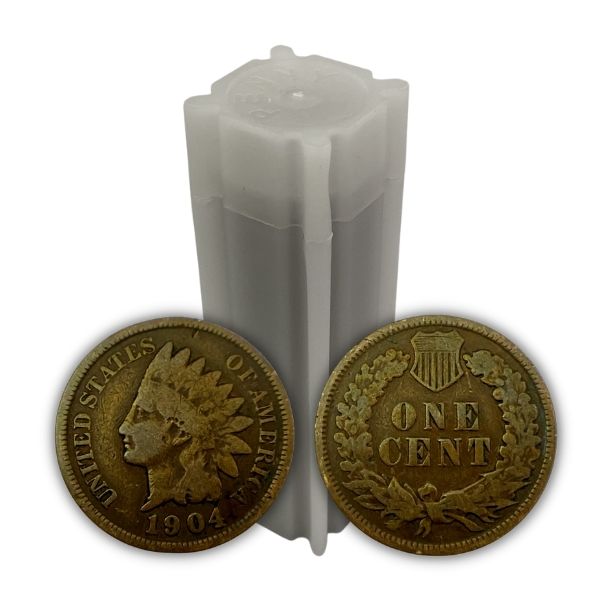
Numismatists vs. Coin Collectors: Key Differences
The term numismatist is often used interchangeably with coin collector. While many numismatists are also coin collectors, not all coin collectors consider themselves numismatists. A coin collector is anyone who collects coins. Numismatists are experts who study rare coins and other forms of currency.
To illustrate the difference between numismatists and coin collectors, let’s look at another example.
Any person who watches a lot of football is considered a football fan. Does this mean that someone who watches the NFL every Sunday is a football analyst? Nope! A football analyst is someone who studies the game of football academically to better inform the public, but a football fan is simply somebody who watches the sport.
The same thing is true for the field of numismatics. Many people are coin collectors because they buy and sell rare coins, but the title of numismatist is used to describe people who deliberately study these objects.
The Career Path of a Numismatist
There is no one set path to becoming a numismatist.
How do you become a numismatist? Most aspiring numismatists start by taking an introductory course or certification on numismatics. The American Numismatic Association offers one of the most popular introduction courses to numismatics. New numismatists also often attend seminars hosted by leading numismatists in their field of study.
Numismatic Certification Explained
While there is no officially recognized certification for numismatics, numismatists usually take courses from the American Numismatic Association. The ANA’s courses give new numismatists an introduction to the skills that they’ll need in order to work in the numismatics field.
Many companies that hire numismatists recognize the value of an introductory certification, but on-the-job training is an important step in the career path of a numismatist.
Where Do Numismatists Work?
Where do numismatists usually work? Numismatists can work in a variety of different places.
It is common for coin grading organizations to hire numismatists because of their skills at identifying fakes, categorizing rare and desirable errors, and evaluating the conditions of different collectible coins.
A numismatist may also choose to work for a numismatics organization, such as the American Numismatic Association. The ANA employs numismatists in order to produce educational resources, manage the ANA museum, and answer questions from coin collectors who call the ANA for help identifying coins.
Some numismatists also run or work for rare coin dealers. Coin dealers may employ a numismatist to help them verify the authenticity of coins or identify key dates and rare errors. Especially skilled numismatists can also establish their own businesses buying and selling rare coins. Because numismatists are specialists capable of quickly assessing a coin’s potential value, they often make fantastic coin traders.
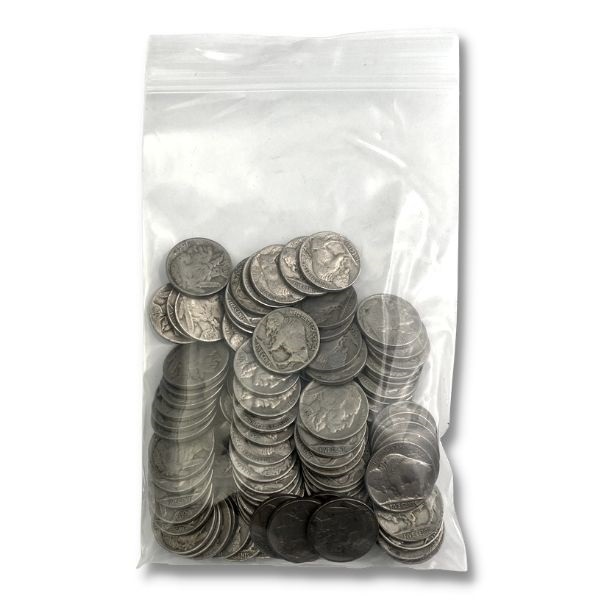
Types of Numismatists
Where do most numismatists work? Numismatists tend to fall into three main categories:
- Academic numismatists
- Coin graders
- Rare coin dealers
Of these three types of numismatists, most experts either work at rare coin dealers or as coin graders. Very few numismatists are able to make a living doing academic work – but these professionals do exist.
Academic Numismatists
Academic numismatists make up the minority of people who are experts in numismatics. An academic numismatist may work at a university as a history professor or for a numismatics organization. The American Numismatic Association, for example, employs academic numismatists who are in charge of producing education materials for ANA members.
It is worth noting that some numismatists do academic work in addition to their regular jobs. A numismatist may publish in peer-reviewed magazines while managing another business or while retired.
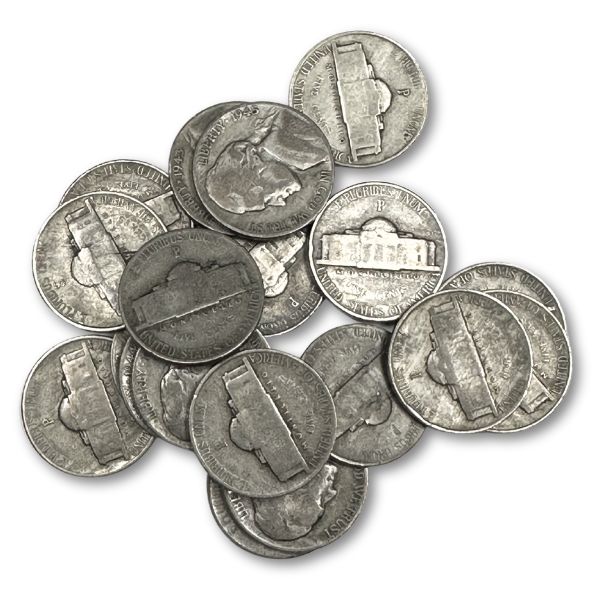
Coin Graders
Coin grading is the most common occupation for numismatists. Through their studies, numismatists learn how to spot the identifying features of coins, paper bills, and other mediums of exchange. This allows some numismatists to make a decent living authenticating and grading rare coins.
Professional Coin Grading Services, the largest coin grading company in the world, employs hundreds of coin graders from all over the world. Although PCGS does not exclusively hire numismatists, many people who study numismatics are well prepared for a career grading coins.
Rare Coin Dealers
Numismatists also frequently work at – or own – rare coin shops. An education in numismatics allows a coin dealer to use his or her knowledge about the history, appearance, and rarity of coins to make better decisions when buying and selling numismatic products.
At a coin shop, numismatists play an important role in authenticating, grading, and valuating silver and gold coins. Using their specialized knowledge, a numismatist can help his or her coin dealer secure valuable coins – and make better sales.
Final Thoughts: Numismatics, Numismatists, and the World of Rare Coins
Coin collectors often hear the terms numismatics and numismatists. Numismatics, or the study of mediums of exchange, is a field of study practiced by numismatists. These specialists are invaluable to the rare coin industry. Without the work of numismatists, it would be nearly impossible for the average coin collector to continue buying and selling the coins they love.
You might also be interested in:


About The Author

Michael Roets
With over six years of experience reporting on precious metals, Michael Roets covers market news, buying guides, and commentary for Hero Bullion.