
How Many Troy Ounces Are in a Kilogram?

At a Glance:
-
- A kilogram is equal to 32.1507 troy ounces; the troy ounce is the standard weight unit for precious metals.
- The spot prices of precious metals are typically quoted in troy ounces.
- Find the melt value of a kilo bar by multiplying spot price by 32.1507.
- Converting between kilograms and troy ounces can help investors compare precious metal premiums.
How Many Troy Ounces Are in a Kilo?
There are approximately 32.1507 troy ounces in a kilo. To convert from troy ounces to kilograms, multiply by 0.0311035. Conversely, you can convert from kilograms to troy ounces by multiplying the number of kilograms by 32.1507.
The troy ounce is the standard unit of measurement for weighing precious metals like gold, silver, and platinum. Other metals, like copper, are instead weighed using the avoirdupois (AVDP) ounce, which is also the standard weight measurement for most everyday goods. Troy ounces weigh slightly more than AVDP ounces; one AVDP oz weighs approximately 0.9115 troy ounces, and a troy ounce weighs 1.09714 AVDP ounces.
Spot prices for precious metals like gold and silver are typically quoted in troy ounces. If you plan on purchasing a kilo of gold, silver, or platinum, you’ll want to know how to convert between kilos and the standard troy ounce unit in order to make sure you’re getting a decent deal.
On this page, learn more about how many troy ounces are in a kilo, how precious metals are weighed, how to convert between kilograms and other common measurements, and more.
What is a Troy Ounce?
The troy ounce is the standard measurement unit used to weigh precious metals like gold, silver, and platinum. Troy ounces are almost exclusively used in the precious metals industry, but it’s an important unit for investors to understand.
The spot price of a precious metal, which describes its current market value, is almost always expressed in troy ounces. Because precious metal products are often sold in fractions of troy ounces or in other units like grams, you might need to convert a product to troy ounces in order to know exactly how much of a premium you’re being charged.
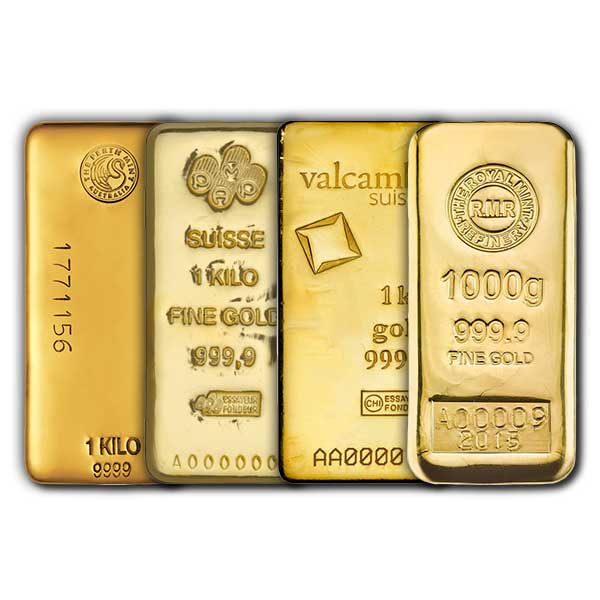
Kilogram gold, silver, and platinum products are very expensive, but larger precious metal products tend to offer lower premiums over spot price than small items. The practical problem for stackers buying kilo bars, coins, or rounds is that spot price is quoted in troy ounces, making it difficult to tell at a glance which products are being sold at a reasonable premium over spot price.
This is why you’ll want to be able to quickly convert between kilograms and troy ounces.
Converting Between Kilos and Troy Ounces
Converting between kilograms and troy ounces can help stackers make more informed decisions about the precious metal products they purchase. Since the spot prices of gold, silver, and other precious metals are usually quoted in troy ounces, converting from kilograms to troy ounces is more common than the reverse.
Kilos to Troy Ounces – Multiply by 32.1507
There are approximately 32.1507 troy ounces in a kilogram of gold or silver. To convert from kilograms to troy ounces, multiply by 32.1507.
Once you have the troy ounce weight of your kilo coin, bar, or round, determining the piece’s melt value is easy. Just multiply the troy ounce weight by the current spot price of your precious metal. The resulting figure represents how much the precious metal content of your piece is worth; the difference between this value and the price charged by your dealer is the premium being charged for the item.
Most precious metal products are quoted in fine weight, so you usually don’t need to multiply the final figure by the item’s decimal fineness to determine its melt value. However, items sold based on gross weight, such as 90% junk silver, scrap silver/gold, or jewelry, require an extra step. For these items, multiply the final value from the equation above by the decimal fineness (ex., .90).
To summarize, here’s how to convert from kilos to troy ounces and determine the melt value of a precious metals product:
Troy Ounces to Kilograms – Multiply by 0.0311035
One troy ounce is equal to 0.0311035 kilograms. To convert from troy ounces to kilograms, multiply by 0.0311035.
Spot Price and Kilo Bars/Coins
Spot price refers to the current market value of a given amount, usually one troy ounce, of a precious metal. Spot price is used to determine a precious metal product’s melt value, which refers to how much the precious metal content within an item is worth. When a coin, bar, or round contains exactly one troy ounce of precious metals, spot price is the same as melt value.
When an item’s metal content is either more or less than one troy ounce, its melt value is different than the metal’s spot price. To find the melt value of an item, convert to troy ounces before multiplying the item’s precious metal weight by the current spot price of the metal it contains.
For kilo bullion bars or coins, you’ll usually want to convert to troy ounces to figure out an item’s melt value. Since there are 32.1507 troy ounces in a kilogram, multiplying the spot price of a precious metal by this figure will give you its approximate melt value, so long as your item contains a full kilogram of the metal.
Using Melt Value to Determine Premiums
A premium is a small (or large) fee added to the melt value of a precious metal product. If you know the melt value of your item, you can determine the total premium being charged by your dealer, as well as the premium basis per troy ounce.
Subtract the melt value of your product from a dealer’s asking price to determine the premium you’re being asked to pay.
Gross Weights vs. Fine Weight: What’s Actually in Your Kilo Bar or Coin?
Precious metal product weights can either be expressed in gross or fine weight. Gross weight refers to the total weight of the product, including its precious metal content and the base metals with which it is alloyed. Fine weight describes the weight of the actual precious metal contained within a product and does not account for these added metals.
Take the 1 oz American Gold Eagle as an example. The 1 oz Gold Eagle is minted with 91.67% pure gold. Because the coin is described by its fine weight, the coin’s gross weight is actually higher than 1 troy oz. An American Gold Eagle has a gross weight of 1.0909 troy ounces, but its fine weight is 1 troy ounce.
Most modern bullion products are sold based on fine weight, but there are some exceptions. Some products commonly sold by gross weight include 90% junk silver, jewelry, and scrap silver or gold.
Converting to Troy Ounces and Kilos
The spot price of a precious metal is typically quoted in troy ounces, but bullion products are available in a range of weights. Below, you can take a closer look at how to convert various weights to either kilograms or troy ounces.
Kilogram and Troy Ounce Conversions
| Unit | 1 Kilogram | 1 Troy Ounce | Notes/Uses |
|---|---|---|---|
| Grams | 1,000 | 31.1035 | Fractional gold, silver, and platinum bars/coins/rounds are sometimes sold in grams. |
| Troy ounces | 32.1507 | 1 | This is the standard bullion unit. Spot price is usually quoted in troy ounces. |
| Ounces (avoirdupois) | 35.2740 | 1.0971 | This is the standard ounce used in everyday measurements. A troy ounce weighs about 10% more than an AVDP ounce. |
| Pounds (avoirdupois) | 2.2046 | 0.0686 | The spot price of copper is usually quoted in pounds. This is the standard pound used in everyday measurements. |
| Troy pounds | 2.6792 | 0.0833 | 12 troy ounces in a troy pound. Not often used in everyday metals trading today. |
| Pennyweights (dwt) | 643.0149 | 20 | Sometimes used by jewelers and precious metal scrappers. |
| Grains | 15,432.3584 | 480 | Antiquated weight unit. Silver or copper “grain” refers generally to small granules; not typically used as an actual unit of weight today. |
| Carats (metric) | 5,000 | 155.5174 | Gemstones use carats. Karats describe the purity of gold. |
| Metric tons (tonnes) | 0.001 | — | A tonne is 32,150.7 troy ounces. |
Note: The troy ounce is 31.1034768 grams and the avoirdupois ounce is 28.349523125 grams. We rounded these figures for readability. Exact figures verified through National Institute of Standards and Technology guidelines.
Kilo Bars vs. 1 oz Bars: Price Per Troy Ounce
While buying a kilogram of gold, silver, or platinum is expensive, these large bars, rounds, and coins often sell at lower percentage premiums compared to smaller pieces.
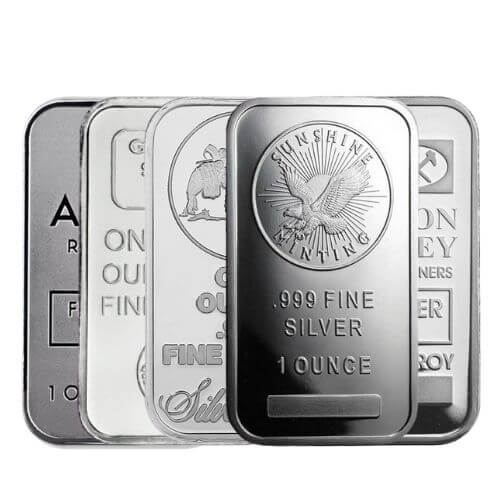
This is the real selling point of large bullion items like kilo gold bars or kilo silver coins. To see the difference, try comparing the premium cost on a per-ounce basis between a 1 oz silver bar and a 1 kilo silver bar from the same mint.
Divide the total price of the 1 kilo silver bar by 32.1507 to get its price per ounce. Subtract the current spot price of silver from this figure to determine the premium you’re being charged per ounce.
Subtract the spot price of silver from the total price of the 1 oz silver bar to find its premium per ounce.
Most of the time, you’ll find that the 1 oz silver bar sells at a higher premium per troy ounce than the kilo bar. This is one reason why some investors prefer to buy precious metals in bulk.

Frequently Asked Questions: Troy Ounces in a Kilogram
How many troy ounces are in a kilo of silver?
There are 32.1507 troy ounces of silver in a kilo.
Is a kilo of gold the same number of ounces as a kilo of silver?
A kilo of gold is the same number of troy ounces as a kilo of silver. Gold is denser than silver, so a kilo of silver would occupy around 1.8 times the space a kilo of gold would.
How many kilos is a 1,000 oz silver bar?
A 1,000 oz silver bar weighs approximately 31.1 kilograms, or about 68.6 pounds. LBMA Good Delivery silver bars are allowed to have a weight variance of 10%, so 1,000 oz bars range in weight from around 28 to 34 kilograms in practice.
What is the difference between 1 oz and 1 troy oz?
Troy ounces are larger than standard (AVDP) ounces. A troy ounce weighs 31.1035 grams, and an AVDP ounce weighs approximately 28.3495 grams, making the troy ounce around 9.7% heavier. Precious metals like gold, silver, and platinum are measured in troy ounces, while AVDP ounces are used to measure everyday goods and other objects.
How many grams are in a troy ounce?
There are 31.1034768 grams in a troy ounce, although this number is typically rounded to either 31.103 or 31.1 grams.
Final Thoughts: Troy Ounces in a Kilo
Kilos and troy ounces are two common measurement units used to weigh precious metal products like coins, bars, and rounds. There are 32.1507 troy ounces in a kilo. Converting between these two units of measurement can be helpful for investors looking to compare prices across several different product sizes.
You might also be interested in:


About The Author

Michael Roets
With over six years of experience reporting on precious metals, Michael Roets covers market news, buying guides, and commentary for Hero Bullion.