
How Much Does a Bar of Gold Weigh?

At a Glance:
-
- A gold bar can weigh anywhere from 1 gram to 400 ounces.
- Small gold bars offer liquidity and low prices, but larger bars are sold at lower premiums.
- Learn how much a gold bar weighs and how to choose the best gold bar size on this page.
How Much Does a Bar of Gold Weigh?
Choosing the right gold bar is a common struggle for new investors. There are hundreds of brands to choose from, and prices can vary from bar to bar. Before you dive into gold bar brand comparisons, there’s an even more important question that you’ll need to answer: what size of gold bar should you buy?
Gold bars are sold in a wide variety of different sizes. The smallest gold bars weigh as little as one paperclip, and the largest gold bar in the world is the same weight as an African lion!
How much does a bar of gold weigh? The answer: it depends. Most commercially available gold bars weigh between 1 gram and 400 ounces. The 1 troy ounce gold bar is considered the most popular weight in the world and accounts for the majority of global gold bar sales.
Although 1 troy ounce gold bars are the most popular way to invest in gold bars, they’re not the only option out there.
On this page, learn about popular gold bar weights, how gold bars are usually weighed, and how to choose the right size for your next gold bar investment.
Popular Gold Bar Weights
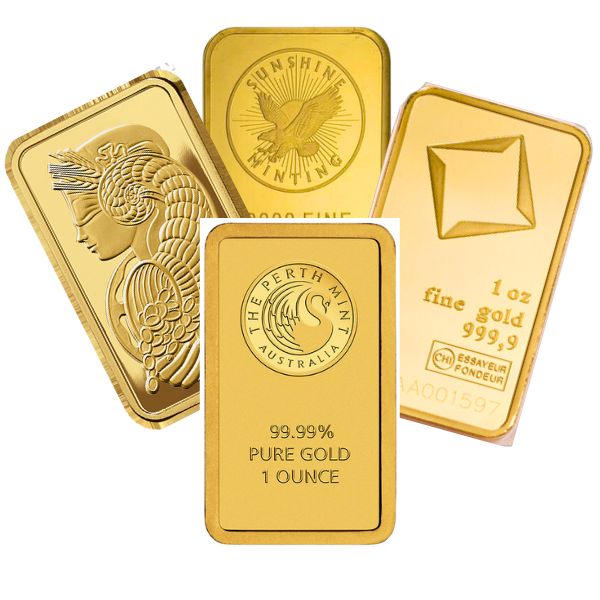
What is the most popular gold bar size? 1 troy ounce gold bars are the most commonly sold investment-grade gold bars on the market. Buying a full troy ounce of gold is a popular strategy for a couple of reasons.
First, the spot price of gold is quoted in troy ounces. Buying a single troy ounce of gold simplifies the buying and selling process for investors, since they won’t need to do extra math to figure out the melt value of their investment.
Second, almost all mints produce 1 oz gold products. Some mints diversify the weights of their gold bars and coins, offering fractional sizes that are considerably cheaper than 1 troy ounce products. But when it comes to most popular gold bars, 1 troy ounce is considered the standard.
1 troy ounce is the most popular gold bar size, but smaller gold bars are also a common investment option. Many mints now offer 1 gram, 5 gram, and 10 gram gold bars. These smaller gold bars are popular among investors because they allow them to buy pure gold bullion without spending thousands of dollars at once.
Small gold bars are also a viable investment option because of their liquidity. An investor who buys 10 1/10 oz gold bars will have an easier time selling his or her gold without liquidating their entire collection than a gold buyer who instead purchases a single 1 oz gold bar.
What’s the Best Gold Bar Weight For Investing?
For most investors, a 1 oz gold bar is the perfect way to put money into gold. These gold bars are readily available, easy to buy and sell, and offer favorable premiums compared to smaller gold bars.
Other investors disagree, and fractional gold bars can be a great way for gold buyers to expand their collection without overspending on premiums or sacrificing liquidity.
What’s the best size of gold bar to buy? Ultimately, the best gold bar size to buy depends on your investment objectives, preferences, and budget.
Let’s take a look at two popular gold bar weight categories: fractional gold bars and large gold bars.
Fractional Gold Bars – A Budget Investment
Now more than ever, gold is expensive. Not all investors can afford to pay over $2,300 for a single gold bar. Fractional gold bars refer to gold bars that weigh less than one troy ounce. Fractional gold has become a more popular investment choice in the past few decades because so many consumers want to invest in gold but don’t have the capital to buy a full troy ounce.
Because of their affordability, small gold bars are an excellent budget option for investors who want to dip their toes into buying precious metals. Fractional gold bars can be as small as 1 gram, which makes them considerably cheaper than full 1 oz gold bars.
Fractional gold bars also offer the benefit of liquidity. In the gold market, liquidity refers to how easy it is to convert a gold product into cash. Fractional gold bars are small, which makes it easier for investors to quickly sell some of their gold without being forced to sell it all.
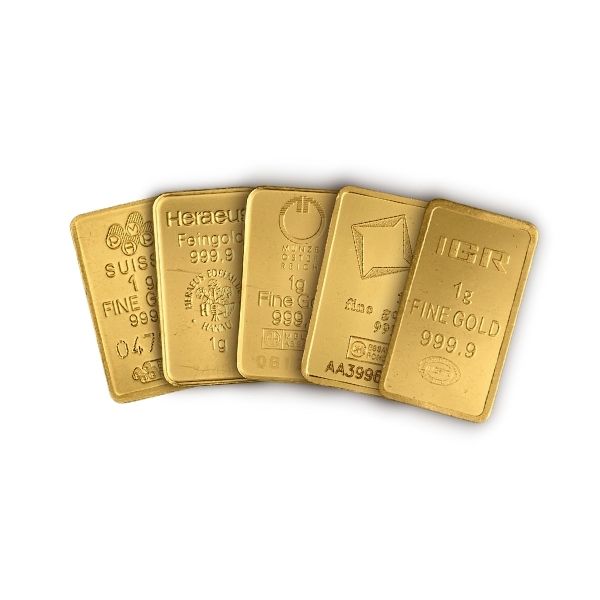
What’s the downside to buying small gold bars? Premiums. Because fractional gold bars cost so much to create, small bars are usually sold at a much higher premium over melt value than larger bars from the same mint. The high premiums associated with fractional gold products presents a classic conundrum for new gold investors.
While fractional gold bars are sold at a lower total cost than large gold bars, fractional gold investors pay more money on precious metal premiums than they’d pay for a 1 oz bar.
Buying Large Gold Bars to Save on Premiums
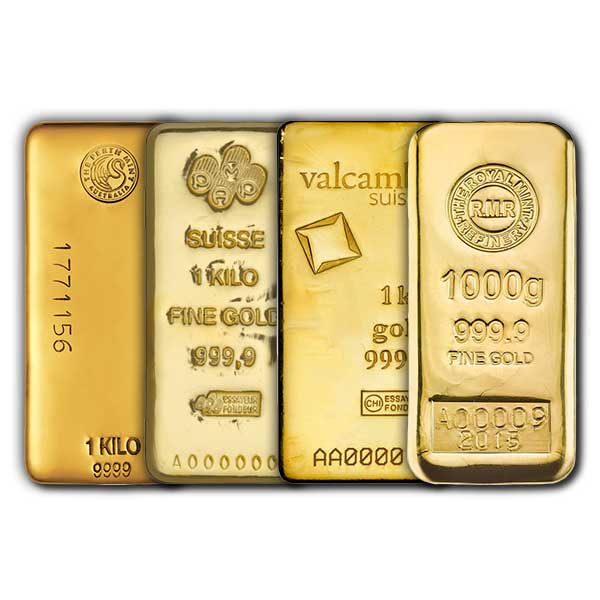
Large gold bars are a luxury that very few investors can afford. Readily available large gold bars can weigh as much as 400 ounces, but the most common large gold bar size is 1 kilogram. Right now, a kilogram of gold costs well over $75,000.
Why would someone buy a large gold bar? Investors who can afford large gold bars prefer them because of their low premiums. As the weight of a gold bar increases, the premium over spot price charged to purchase it decreases. In other words, large gold bars offer some of the lowest premiums in the entire gold market.
Large gold bars are an excellent investment for stackers who want to save money on premiums, but their hefty price tags are a prohibitive obstacle for budget investors. Big gold bars also don’t offer the liquidity that fractional bars are known for. Spending all of your money on a single 1 kilo gold bar means that you’ll likely need to sell a full kilo of gold once you’re ready to take some profit from your investment.
Which gold bar size is right for you? Investors who can afford large gold bars tend to prefer them for their low premiums. Fractional gold bars come saddled with higher premiums over melt value, but they’re also more affordable and offer higher liquidity compared to large bars.
Here’s How Gold Bars Are Weighed
At this point in the guide, we’ve mentioned several units used to measure the size of a gold bar. Grams, troy ounces, and kilos are the three most common units dealers use to describe the weight of gold bars.
Of these three units of measurement, the troy ounce is likely the most unique. Troy ounces are rarely used to measure weight outside of the precious metals industry, but the unit is considered the standard for weighing precious metal coins, bars, and rounds.
Below, we’ll take a look at some of the most common units used to weigh gold bars.
The Troy Ounce – History and Uses
What are troy ounces used for? The troy ounce is the most common unit of measurement applied to gold bars. The spot price of gold, which is used to determine a gold bar’s melt value, is quoted in troy ounces. Most gold bars are either sold in troy ounces or in fractions of troy ounces (i.e. 1/10 troy oz). The list goes on.
Clearly, troy ounces are an important unit of measurement for gold. However, troy ounces are rarely used to describe the weight of anything except for precious metals.
Why are troy ounces used to weigh gold? The troy ounce unit originated in Troyes, a French city known for its robust trading hub. Over time, merchants in Troyes needed a way to standardize item weights. In England during the 16th century, troy weights became the official system used to measure precious metals.
Since then, the troy ounce has been the standard measurement unit for precious metals, including gold, silver, and platinum. Gold bar weights today are usually quoted in troy ounces, and we also use the troy ounce to express the current spot price of gold.
Grams Vs. Troy Ounces Vs. Kilos | Understanding Gold Bar Weights

While troy ounces have long been the standard measurement unit for gold bar weights, gold bars can also be weighed in other units. Aside from the troy ounce, the two most common units used to measure a gold bar’s weight are troy ounces and kilos.
Converting between grams or kilos to troy ounces is an important skill because it helps investors better understand the current melt value of their gold bars. Melt value refers to the value of the underlying precious metal that makes up a gold bar and does not include any applicable premiums.
How do you convert to troy ounces? There are 31.1035 grams in a single troy ounce of gold, and a kilo of gold contains 32.1507 troy ounces. Understanding these measuring systems is a good way to know how much a gold bar is worth in pure gold, regardless of the gold bar’s size or unit of measurement.
Non-Standard Gold Bar Weights
Gold bar weights can also be described using non-standard measuring units. Gold bars can be weighed in pounds, taels, tolas, or other uncommon units of measurement. While most gold bar weights are expressed in either grams, troy ounces, or kilos, it isn’t irregular to hear people describe their gold bars using non-standard units.
Online weight converters can be a useful tool for investors who want to learn how many troy ounces are in their non-standard gold bar.
Common Misconception – Karats Are For Purity, Not Weight!
Some investors mistakenly believe that karats are used to describe the weight of gold bars. Karats refer to the purity of a gold product and are usually only used when referring to gold jewelry.
A karat refers to 1/24 parts gold. If a gold bar or coin is 24 karat gold, that means that it is nearly 24 out of 24 parts gold, making it almost completely pure gold. Let’s take a look at how the karat system is used to express gold purity:
| Karats | Purity |
|---|---|
| 24k | 99.99%+ Pure Gold |
| 22k | 91.7% Pure Gold |
| 21k | 87.5% Pure Gold |
| 20k | 83.3% Pure Gold |
| 18k | 75% Pure Gold |
| 15k | 62.5% Pure Gold |
| 14k | 58.3% Pure Gold |
| 12k | 50% Pure Gold |
| 10k | 41.7% Pure Gold |
| 9k | 37.5% Pure Gold |
| 8k | 33.3% Pure Gold |
What is a karat of gold used for? Karats do not refer to the weight of a gold bar, but instead to its purity. For a gold bar’s weight, look for troy ounces, grams, kilos, or some sort of non-standard unit of measurement.
Like weight, the karat system plays a role in determining the melt value of a gold bar. Multiply the decimal purity of a gold bar by its weight in troy ounces to find out how much real gold the item contains. By multiplying this number by the current spot price of gold, you can determine the approximate melt value of any gold bar.
How Big Can a Gold Bar Be?
Most gold bars weigh 1 troy ounce or less, but commercially available gold bars can weigh as much as 400 troy ounces. Imagine adding a gold bar that large to your collection! Generally, 400 troy ounce gold bars are the largest bars available to commercial investors.
If you know anything about humanity, though, you understand that humankind loves large, expensive things. Below, we’ll briefly talk about the biggest gold bar ever produced.
The Largest Gold Bar in the World
What’s the biggest gold bar in the world? The largest gold bar in the world weighs a massive 250 kilograms. For reference, that’s about as heavy as an average African lion. That’s right – there’s a gold bar that weighs as much as a full-grown lion!
The world’s largest gold bar was minted in Japan and is currently on display at the Tori Gold Museum in Izu, Japan. As of today, this gold bar is worth over $19 million!
Final Thoughts: Choosing the Right Gold Bar For Your Portfolio
Gold bars can weigh anywhere from 1 gram to, in the case of the world’s largest gold bar, 250 kilograms.
Choosing the right gold bar size is one of the most important steps for new investors. The best gold bar weight for investing depends on your preferences, investing objectives, and budget. Small gold bars offer high liquidity and affordability but are saddled with high premiums over spot price. Large gold bars are prohibitively expensive and harder to resell, but they’re also sold at low premiums over melt.
New investors have quite a few choices to make, but Hero Bullion is here for you every step of the way!
You might also be interested in:


About The Author

Michael Roets
With over six years of experience reporting on precious metals, Michael Roets covers market news, buying guides, and commentary for Hero Bullion.