
What is a Good Delivery Bar?

At a Glance:
-
- Good delivery bars are the global benchmark for the precious metals trade between large institutions.
- The London Bullion Market Association decides which refiners to place on its Good Delivery List.
- These large bars are rarely purchased by individual investors, but good delivery refiners are highly reliable.
- On this page, learn more about what a good delivery bar is, requirements for good delivery status, and more.
What is a Good Delivery Bar?
A good delivery bar is a gold or silver bar that meets the requirements set by the London Bullion Market Association (LBMA). Good delivery bars are the global benchmark for trading gold and silver. These bars can be used to settle trades on the London Bullion Market, and earning a spot on the Good Delivery List is one of the most significant accomplishments a refiner can obtain.
Most investors will never see a good delivery bar, let alone own one. Gold good delivery bars must contain 350-430 troy ounces of gold and meet a minimum purity of 99.5%, while good delivery silver bars range in weight from 900 to 1,100 troy ounces and meet or exceed a purity of 99.9%. This makes these bars more valuable than most retail investors could afford, and they’re seldom traded outside of major exchanges and between financial institutions.
The good delivery designation is more relevant to the average gold or silver investor than the bars themselves. LBMA’s Good Delivery List of approved refineries includes some of the most reputable metal refiners in the world. Some investors prefer to buy gold and silver bars from refiners on the LBMA Good Delivery List, since inclusion on this list is a sign that a refiner’s operation is both highly vetted and consistent.
On this page, learn what a good delivery bar is, how the LBMA certification process works, and more.
Good Delivery Bar Specifications
Good delivery gold and silver bars must meet strict guidelines designed by the London Bullion Market Association (LBMA). Good delivery gold bars must be 99.5% pure or purer, typically weigh 400 troy ounces, and must weigh between 350 and 430 troy ounces. Silver good delivery bars must be 99.9% or purer, usually weigh 1,000 troy ounces, and are permitted to weigh anywhere from 900 to 1,100 troy ounces.
Bars must also include a set of required markings, including refiner hallmark, assayed fineness, serial number, and year of minting. All good delivery bars must be produced by LBMA-accredited refiners.
Here’s an overview of the minimum specifications set by LBMA for gold and silver bars that qualify as good delivery.
| Specification | Good Delivery Gold | Good Delivery Silver |
|---|---|---|
| Minimum fineness | 995.0 (99.5% pure) | 999 (99.9% pure) |
| Target weight | About 400 troy oz (12.5 kg) | About 1,000 troy oz (31 kg) |
| Accepted weight range | 350 to 430 fine troy oz | 900 to 1,100 troy oz |
| Required markings | Refiner hallmark, assayed fineness, serial number, year | Refiner hallmark, assayed fineness, serial number, year |
| Producer | LBMA-accredited refiner | LBMA-accredited refiner |
Who Decides What Bars Are Good Delivery?
Standards for good delivery bars are set by the London Bullion Market Association (LBMA), which is considered the world’s leading authority on Over The Counter (OTC) precious metals.
Rather than deciding that specific bars are considered good delivery, LBMA curates a list of refiners on its London Good Delivery List. Bars that qualify for good delivery must both meet the minimum requirements set by LBMA and have been produced by an LBMA-approved refiner on the Good Delivery List.
LBMA also designated seven “Good Delivery Referees” tasked with vetting refiners applying for placement on the Good Delivery List. Current good delivery referees include:
- Metalor Technologies SA
- PAMP SA
- Tanaka Kikinzoku
- Rand Refinery
- Argor-Heraeus SA
- Agosi AG
- Gold Corporation (Perth Mint)
These referees evaluate the qualifications of applicants and assist LBMA in overseeing the existing Good Delivery List’s refiners.
How Refiners Earn Good Delivery Accreditation
To earn good delivery accreditation, applicants are evaluated on several factors to ensure that they meet LBMA’s strict quality requirements. According to LBMA, refiners are evaluated on their “history in the market, financial standing, ability to produce bars that meet [LBMA’s] exacting standards, and minimum levels of production.”
Successful applicants are also required to adopt LBMA’s “Responsible Guidance” rules for the precious metal(s) they produce. Under LBMA rules, good delivery refiners must follow LBMA’s Good Delivery Rules, adhere to the LBMA Responsible Sourcing Programme, and agree to ship metals to approved London vaults.
After inclusion on the list, refiners are vetted annually by LBMA to make sure they are still meeting these Good Delivery List requirements.
Why Do Good Delivery Bars Matter?
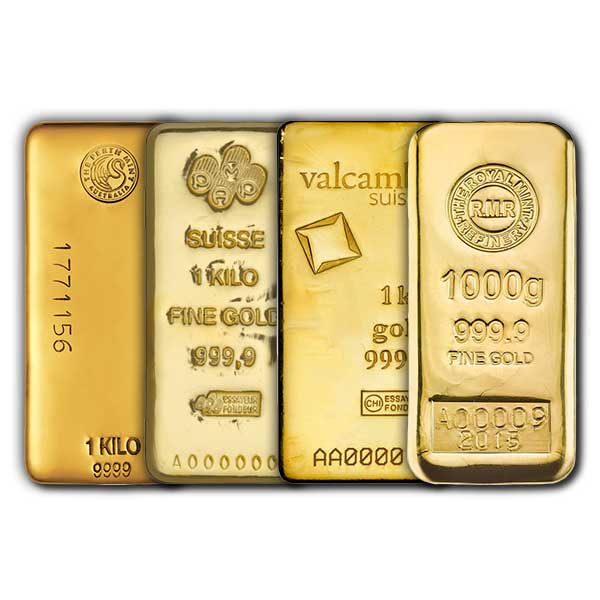
Good delivery bars are the international benchmark for gold and silver. These large bars are suitable for trade between large financial institutions, and LBMA’s standards ensure that these bars are some of the most consistent precious metal products in the world.
Gold and silver good delivery bars matter little for the average investor, since they’re usually only traded between large institutions and are extremely expensive to buy.
Can Investors Buy Good Delivery Bars?
While investors technically can buy good delivery gold and silver bars, they generally do not. Given the current spot price of gold, a 400 ounce good delivery gold bar is worth more than $1,700,000. Aside from the high cost, good delivery bars are large and difficult to insure if stored at home. For this reason, good delivery gold and silver bars are typically traded between large institutions and stored in secure vaults.
For the average investor, good delivery certification can be a signal of a refiner’s quality, even if the good delivery bars themselves are too costly and cumbersome to purchase. Because LBMA carefully vets all refiners on its Good Delivery List, the LBMA stamp of approval suggests that a refiner is among the best.
Good Delivery vs. COMEX-Deliverable
A COMEX-deliverable bar is not necessarily considered LBMA good delivery, although there is considerable overlap between the two certifications.
COMEX-deliverable bars need to meet weight and purity standards set by CME Group, which operates the Commodity Exchange (COMEX), and be stored at COMEX-approved depositories. CME Group consistently approves refiners found on the LBMA Good Delivery List, creating significant overlap between the two. COMEX’s purity standards also match LBMA’s – the main difference is in weight.
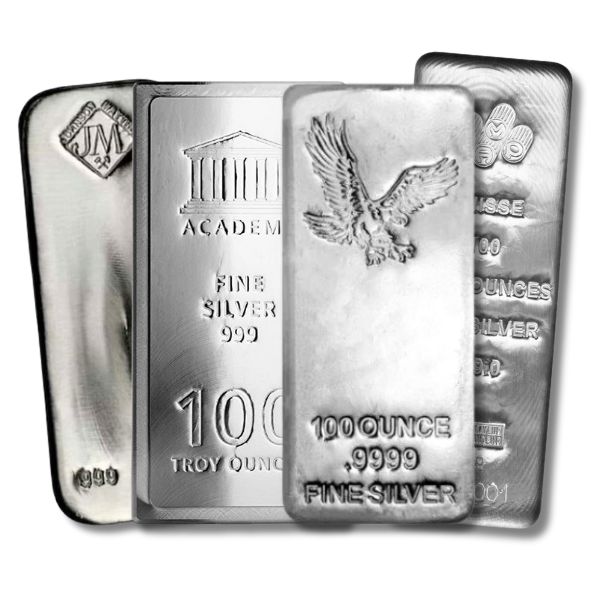
That being said, some COMEX-deliverable bars are too small to be considered good delivery bars by LBMA. COMEX-approved bars are often either 100 troy ounces or 1 kilo, while LBMA enforces a minimum size of 350 troy ounces and an average weight of 400 troy ounces.
COMEX-Approved Vaults and Good Delivery Status
The gold and silver bars stored in COMEX-approved vaults are considered suitable for delivery on the Commodity Exchange (COMEX), but they may not necessarily qualify as good delivery bars under the London Bullion Market Association’s (LBMA) standards.
Are Fort Knox’s Gold Bars Good Delivery?
Much of the gold in Fort Knox would not qualify as good delivery, according to LBMA requirements. According to the Mises Institute, approximately 17% of the gold in Fort Knox is 99.5% pure or purer. Most of the gold hidden in the historic Fort Knox has been melted down from pre-1933 gold coins, giving the vault’s gold an average purity of around 91.67%.
Much of the gold stored in Fort Knox meets LBMA’s weight standards, clocking in at around 400 troy ounces per bar. However, many of these bars fail to meet LBMA’s purity requirements, marking standards, or both. LBMA requires that good delivery gold bars meet a minimum purity of 99.5% and include strict marking requirements, and a majority of the gold bars within Fort Knox were melted down from lower-purity U.S. gold coins.
How To Tell if Your Metals Come From Good Delivery Refiners
Some investors prefer to buy from refiners on the LBMA Good Delivery List, since inclusion on this list is the global benchmark for quality refining practices.
There are currently 66 gold refiners and 86 silver refiners on the LBMA Good Delivery List, as of August 2026. Investors can look up any refiner on these lists through the London Bullion Market Association’s website. LBMA tracks all gold and silver good delivery refiners on its site.
Frequently Asked Questions About Good Delivery Bullion Bars
Can a Regular Investor Buy a Good Delivery Bar?
Regular investors can technically buy good delivery bars, but this is uncommon due to the substantial weight and market value of these products. A gold good delivery bar weighs around 400 troy ounces and is worth more more than $1,700,000, as of August 2026. While good delivery refiners are considered reputable sources of quality gold and silver bars, very few investors have the capital or storage capabilities to accommodate a good delivery gold bar.
Does a 1 oz Bar From an Accredited Refiner Count as Good Delivery?
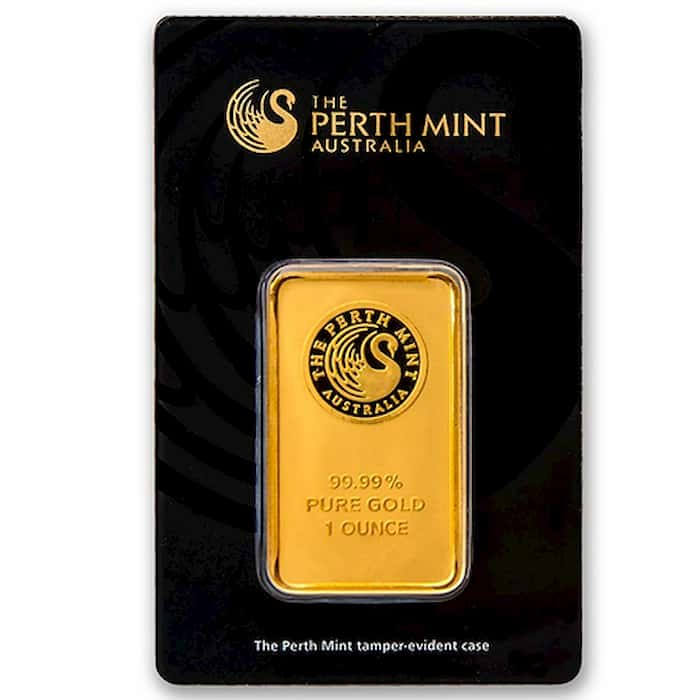
A 1 oz gold or silver bar is not considered good delivery by the London Bullion Market Association (LBMA), even if it meets minimum purity standards (99.5% for gold, 99.9% for silver) and comes from a refiner on the LBMA Good Delivery List. Good delivery gold bars must meet a minimum weight of 350 troy ounces, and good delivery silver bars start at 900 ozt.
Are Good Delivery Bars IRA-Eligible?
Good delivery bars are always IRA-eligible. Gold and silver bars deemed good delivery by LBMA meet strict quality and labeling minimums that adhere to regulations set by the Internal Revenue Service (IRS) for Individual Retirement Account (IRA) contributions.
Are Good Delivery Bars COMEX-Deliverable?
LBMA-approved good delivery bars are often COMEX-deliverable, but not always. COMEX and LBMA maintain their own lists of approved refiners. While these lists have considerable overlap, some good delivery bars may not be approved by CME Group, the company that owns and operates the Commodity Exchange.
Why Do Good Delivery Bars Carry Low Premiums?
Good delivery bars tend to carry low premiums because of their large size and the role they play in the Over-the-Counter (OTC) bullion trade. Precious metal premiums tend to decrease as the size of a product increases, and good delivery bars are very large. Additionally, good delivery bars are traded between large financial institutions, usually to settle futures contracts or Exchange-Traded Funds (ETFs). As a consequence, they’re traded at a minimal premium.
Final Thoughts: All About Good Delivery Bars
Good delivery bars are large gold or silver bars produced by refiners on the London Bullion Market Association’s Good Delivery List. These bars are the international benchmark for large transactions involving precious metals, although their prohibitive cost means that they are seldom purchased by the average retail investor.
For a precious metals refiner, qualifying for LBMA’s Good Delivery List is a major milestone that signifies strict quality control standards, production numbers, and more. For the typical gold or silver investor, buying bullion bars produced by Good Delivery List refiners is a popular method of ensuring that each purchase is the highest possible quality.
You might also be interested in:


About The Author

Michael Roets
With over six years of experience reporting on precious metals, Michael Roets covers market news, buying guides, and commentary for Hero Bullion.