
Does Cleaning a Coin Decrease Its Value?

At a Glance:
-
- Although we understand the impulse, cleaning your coins is usually a bad idea.
- Cleaning a coin decreases its value to collectors, sometimes by as much as 50-80%.
- On this page, learn how cleaning a coin affects its value, how to spot cleaned coins, and more.
Does Cleaning a Coin Decrease Its Value?
When you buy an old circulated silver, gold, or platinum coin, you may feel a strong urge to give it a thorough cleaning. We get it – it might seem like a great idea to brush away the dirt, rust, or film to see your coin with the same beautiful shine its designers intended. But before you take a brush and go to work on your valuable silver coin, there’s something you need to know:
Cleaning a coin can significantly decrease its value to collectors.
That’s right! Attempting to bring out the beauty and shine of your coin can actually make it less valuable to future collectors. This is true for pretty much every coin that has numismatic (collectable) value. Whether your coin is made out of gold, silver, platinum, or some cheaper metal, cleaning it can wash away more than just its dirt and grime.
On this page, we’ll walk you through how cleaning a coin impacts its value, and how to spot a cleaned coin in the wild, and how you may be able to save money buying cleaned coins. By the end of this guide, you’ll be an expert on the ins and outs of coin cleaning – and why you should avoid doing it in the first place.
How Does Cleaning Impact the Value of a Coin?
Sometimes, investors mistakenly believe that cleaning a coin will make it more valuable. It makes sense why a new investor might think this. After all, most commodities are more valuable when they’re clean and shiny. Unfortunately, cleaning a coin has the opposite effect and will actually make your investment less valuable.
So how much value does a cleaned coin lose? It’s tough to put an exact figure on how much cleaning a coin impacts its value, since numismatic coin valuation depends on so many different factors. As a rough estimate, most coins will lose anywhere from 20-50% of their value when cleaned. A coin may lose nearly all if its value of it’s cleaned, depending on how the coin was cleaned and the the aesthetic effect of the cleaning on the coin’s appearance.
Of course, this only refers to collectable value. Cleaned coins are still worth their melt value in silver, gold, or platinum. When you clean a coin, you’re taking money off of the premium over spot price that you’ll likely receive when reselling it.
Here’s Why You Shouldn’t Clean Your Collectible Coins
In most cases, you shouldn’t clean a collectible coin for one main reason – cleaning can make your coin less valuable. Even if you don’t ever plan to sell your coin, the visual impact of a rough cleaning is a good enough reason to avoid ever hitting it with a brush or Brillo pad.
What happens when you clean a coin? Coins are very delicate, especially if they’re made out of a precious metal like silver, gold, or platinum. When you use a Brillo pad or toothbrush to clean a coin, you’re likely to leave very small scratches on its surface. These scratches don’t just make your coin less valuable – they reduce the natural beauty of a rare coin.
Sometimes, investors mistakenly assume that the patina, a layer of discoloration that often develops on old coins made with certain materials, is a form of damage or grime that should be washed away. In reality, collectors consider natural patina to be part of the beauty of an ancient coin. By washing or brushing this discoloration away, you’re actually eliminating one of the things that makes an old coin valuable to investors and numismatists.

How to Spot a Cleaned Coin
Spotting a cleaned coin can be tricky for new investors, but doing so can save you quite a bit of headache – and money. Since cleaned coins are usually less valuable than untouched ones, the last thing you want to do is pay a premium price for a coin that has been damaged by a rough cleaning.
How do you know if a coin has been cleaned? To determine if your coin has been cleaned, you’ll need to do two things:
- Evaluate the coin’s fields for tiny, consistent scratches.
- Compare the coin’s toning to uncleaned coins from the same era.
The first sign that a coin has been cleaned is pretty easy to spot. Either with your naked eye or a magnifying glass, hold the coin up to the light at an angle. Coins that have been improperly cleaned with a brush or Brillo pad will have small, hard-to-see scratches all over the surface. You may need to use a magnifying glass to really see these small scratches, but they should be visible on most cleaned coins.
Not all cleaned coins were cleaned with a brush, so they won’t always have these tell-take scratches. Coins that have been chemically cleaned may lack the patina or toning that a coin of that age and design should have. To make sure your coin has never been cleaned, compare its toning and coloration to other, uncleaned coins from the same era. You can find examples of uncirculated coins that match your coin’s design online. If your coin looks ‘too perfect,’ this may be a sign that it has been cleaned.
When in doubt, the best way to figure out if a coin has been cleaned is to reach out to an expert. Coin grading services will sometimes take a look at your coin (for a fee) and tell you if it’s eligible for grading. Cleaned coins cannot generally be graded.
Can Cleaned Coins Be Good Investments?
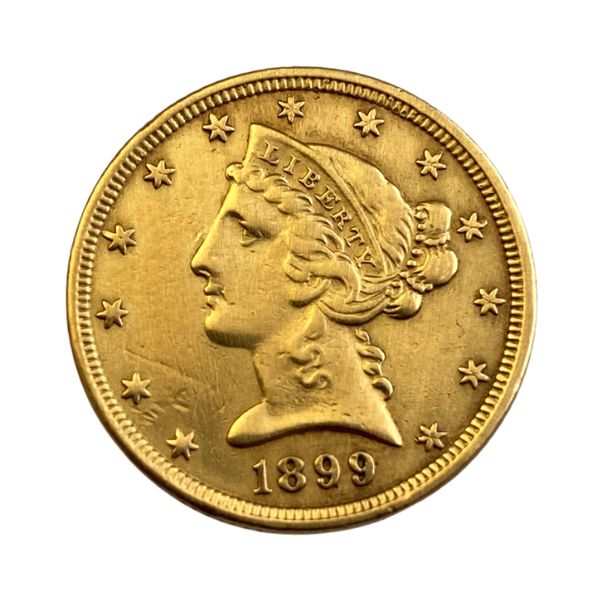
We do not recommend cleaning your coins, but cleaned coins aren’t without purpose for savvy investors. In fact, buying cleaned coins can help you save hundreds of dollars in precious metal premiums. Below, we’ll talk about how to save on premiums using cleaned coins – and a few of our favorite cleaned coins for investors to consider.
Saving Money Using Cleaned Coins
Since cleaned coins lose much of their numismatic value due to the cleaning process, buying a cleaned coin is actually a great way to save a little bit of money while collecting old and rare gold coins. The degree of cleaning impacts how much value a cleaned coin loses; Obviously, some cleaned coins are uglier than others, so they are worth less than coins that have only been minimally cleaned.
Buying cleaned gold, silver, and platinum coins can help you secure rare circulated coins at a fraction of the cost of their BU counterparts.
Popular Cleaned Gold Coins To Buy
Cleaned coins are usually cheaper than coins in great condition. Typically, you can find a cleaned specimen of any gold, silver, or platinum coin you enjoy. Morgan Silver Dollars, Peace Silver Dollars, and even pre-1933 gold coins can be purchased cleaned. If you shop around, you can sometimes save hundreds of dollars by buying cleaned gold coins.
One of the best cleaned gold coins on the market right now is the Cleaned $10 Liberty Head Double Eagle Gold Coin. This coin is one of the most iconic coins in U.S. Mint history, and buying a cleaned version of it can help you save quite a bit of cash on premiums.

Final Thoughts: Avoid Cleaning Your Coins!
While it is possible to clean some coins without ruining them completely, we strongly advise against cleaning your gold, silver, platinum, or other metal coins. When you clean a coin, you don’t just wipe away much of what makes it beautiful – cleaned coins are also far less valuable than coins that have never been cleaned in the first place.
Even though cleaned coins are less valuable than uncleaned coins, buying cleaned coins is a classic way for investors to save money while collecting the coins they love!
You might also be interested in:


About The Author

Michael Roets
With over six years of experience reporting on precious metals, Michael Roets covers market news, buying guides, and commentary for Hero Bullion.