
How to Safely Store Precious Metals – Securing Your Future

At a Glance:
-
- Gold, silver, and platinum should be stored in either a home safe or a bank depository.
- Inexpensive metals like copper can usually be safely stored in locked desks or drawers.
- Paid precious metal storage is another option, but it usually only makes sense for large portfolios.
How to Safely Store Precious Metals
Your investment journey is not over once you buy gold, silver, or platinum bullion. After investing, stackers also need to figure out how to safely store precious metals. Improper storage can be a costly mistake. In some cases, investors can lose thousands of dollars if their gold coins, bars, and rounds are lost, stolen, or damaged. This is the last thing any investor wants. The good news is that storing precious metals is not a complicated process.
The best way to safely store precious metals depends on the specific types of metals an investor chooses to collect. Expensive metals like gold, silver, and platinum should always be locked away in a home safe or a managed, secure storage facility. Inexpensive bullion products, such as copper bars and rounds, can usually be stored outside of a locked safe in small quantities.
On this page, you will find a full overview of how to safely store precious metals. We’re covering the best places to safely store gold, silver, and platinum. In this guide, you’ll also find a detailed comparison of different storage options, as well as a breakdown of the benefits of paying for professional investment storage.
Storage Options For Gold, Silver, and Platinum
Gold, silver, and platinum are often referred to as the “big three” metals. Compared to copper and aluminum, these precious metals are extremely valuable. Because of their value, the three most expensive precious metals should be securely stored. Losing an ounce of copper isn’t the end of the world – but having a full ounce of gold stolen could lose an investor thousands of dollars.
Wondering how to safely store precious metals? Investors have three main options for safe and secure precious metal storage:
- Home Safes
- Bank Depositories
- Paid Storage
Each option comes with advantages and disadvantages. Let’s take a look at the three easiest ways to safely store your precious metals.
Home Safe
Investing in a home safe is the most popular way to store precious metals. Home safes can get expensive, especially if you splurge on advanced models with additional features like temperature control. However, some home safes are extremely affordable. Even high quality home safes are well worth the investment. The cost of buying a brand new biometric home safe is significantly lower than the amount of money you’d lose if your gold was stolen.
For numismatic investors who stack valuable, high-grade coins, temperature control is a fantastic feature on a home safe. Exposure to high levels of heat in the event of a fire or natural disaster could wreak havoc on a Brilliant Uncirculated (BU) numismatic coin.

When you search for a home safe to store precious metals, consider both the size of the safe and the bullion products you’ve collected. Obviously, a bigger safe is necessary for massive bullion stacks. We recommend giving your portfolio room to grow. Buying a safe with a bit of extra room can be great motivation to continue expanding your gold collection.
Not all precious metals necessitate a hefty home safe. For small amounts of silver or inexpensive portfolios filled with copper or aluminum, storing bullion in a locked drawer is probably more than enough security.
Bank Depository
Bank safe deposit boxes are considered the safest way to store valuables – including precious metals. Safe deposit boxes are not FDIC insured, but they are protected by the security infrastructure of your bank. Generally, storing gold, silver, or platinum in a safe deposit box is a safe and relatively affordable way to protect your assets.
At a certain point, the value of your precious metal portfolio may be too large to safely store at home. There are a couple of reasons why certain bullion collections should be stored outside of your home. First, homeowners insurance may only cover a certain monetary value in precious metal investments. If your stack is worth more than this coverage limit, it may be costly to purchase additional coverage just to store your metal at home.
Second, it is generally not safe to store tens or hundreds of thousands of dollars in precious metals at home. Precious metals are one of the most commonly stolen assets on the planet. Even if you are extremely careful when buying and storing your gold, your home is a target for theft if even one robber realizes how much gold or platinum you’re carrying.
Buying a safe deposit box is a good way to protect your gold and other precious metals from theft, loss, or damage. Remember, though, that it will likely cost money to open and maintain a safe deposit box with your bank.
Alternative Paid Storage Options
Safe depository boxes are popular and highly secure, but they aren’t your only option for third party storage. Many bullion dealers offer paid storage options for investors. For a monthly (or yearly) fee, investors can store their gold, silver, or platinum investments inside of a dealer’s safe. Prices for private bullion storage vary from dealer to dealer, but some dealers may store your precious metals for cheaper than a bank would charge.
The U.S. government also sets strict regulations for dealers who offer paid storage options to their customers. These laws help safeguard investors against improper management, security, or storage of their assets. As a general rule, paid storage is a good option for investors whose portfolios are too valuable to be safely stored at home.
If you’re trying to learn how to safely store precious metals with a bullion dealer, be sure to shop around and check out multiple options before making a decision. Monthly fees vary, and it is also important for investors to pay careful attention to the security of their dealer’s safe before handing over their valuable coins and bars.
Is It Worth it to Pay For Bullion Storage?
It can be worth it to pay for precious metal storage, depending on the size and value of your portfolio. Small stacks of silver or copper may not be worth the extra cost of third party storage. For very inexpensive precious metal portfolios, storing bullion at home isn’t particularly risky. As your portfolio grows, however, it is important to consider reaching out for additional help storing your metals safely.

Gold, silver, and platinum bullion products are extremely valuable. For these precious metals, it makes sense to spend a little bit extra to secure safe, professional storage. It just isn’t possible for the average investor to protect their investments with the same degree of security that banks and bullion dealers offer.
The cost of paying for third party storage also impacts your bottom line, so it’s important to track storage fees over time if you go with an outside storage company. For bookkeeping purposes, it’s a good idea to subtract storage costs from yearly investment profits.
Comparing Options: What’s the Best Way to Safely Store Precious Metals?
The best way to safely store precious metals is through a bank safe deposit box. We consider bank deposit boxes to be a good “all-around” option for investors wondering how to safely store precious metals. Deposit boxes are inexpensive, capable of accommodating a large quantity of bullion, and are extremely secure.
Although a bank deposit box is the best all-around option for safe bullion storage, it isn’t necessarily the best choice for all investors. The best way to safely store precious metals depends on your budget, the value and size of your portfolio, and your preferences.
Comparison Chart – Precious Metal Storage Options
To get a better idea of which precious metal storage option is best for you, we’ll need to compare a few different options. Home safes, bank safe deposit boxes, and alternative paid storage are three good ways to safely store precious metals. But how do they stack up against one another? Let’s take a look.
| Home Safe | Safe Deposit Box | Third Party Storage |
|---|---|---|
| Managed by the investor – not any third party. | Bank-managed and extremely safe (generally) | Managed by a bullion dealer – subject to strict federal regulations for security. |
| Cost varies based on size and type of safe. | Cheaper than third party storage, but may be more expensive than a home safe. | Cost varies – typically more expensive than bank safe deposit box storage. |
| Limited homeowner’s insurance coverage – additional fees may be necessary. | Managed by a bank – but not FDIC insured. | Not FDIC insured, but may be insured by your dealer. |
How to Store Precious Metals At Home
Storing precious metals at home can be a good method for safeguarding your assets, but it also comes with a few important caveats. Home storage of gold and silver works best for small portfolios. Your homeowners insurance will likely only cover a certain monetary value in investable precious metals. If your portfolio exceeds this amount, you may need to purchase additional coverage in order to stay protected.
Storing precious metals at home also comes with significant non-financial risk. Holding a large quantity of gold, silver, or platinum at home can expose you to liability from robbery and theft. Practicing discreet buying strategies and doing business with reputable bullion dealers can protect you from robbery, but it’s impossible to guarantee that criminals won’t eventually try to take what’s yours.
However, storing precious metals at home is possible. For many gold and silver investors working with a small budget, home storage is an excellent option. Here’s how to safely store precious metals at home:
- Consider a home safe
- Practice discreet storage procedures
- Store cheap metal in inexpensive containers
- Purchase additional insurance if necessary
Consider a Home Safe
Home safes are the oldest – and the simplest – way to safely store your precious metals at home. Safes come in a variety of costs and sizes, and finding the right one for your needs can be tricky. Investors should generally consider the size of their portfolio, their future investing plans, and their budget when deciding on a new home safe.
For large, very expensive precious metal stacks, a massive safe with advanced security features is well worth the added cost. Investors working with a smaller budget may be able to get away with using a basic, run-of-the-mill home safe.
No matter the size of your home portfolio, we recommend going with a wall safe instead of a standalone, unsecured one. The reason for this is pretty simple. If someone finds your safe full of gold, the last thing you want is for them to be able to pick the entire safe up and walk (or run) away. A wall safe adds another layer of security to your precious metal storage plans.
Budget Option: Discreet Precious Metal Storage
If you’re working with an extremely limited budget, you might not be willing (or able) to drop hundreds of dollars on a fancy wall safe. In a pinch, finding a place to safely hide your bullion can be a good storage option. We don’t recommend this strategy for people who are collecting expensive metals like gold, silver, or platinum.
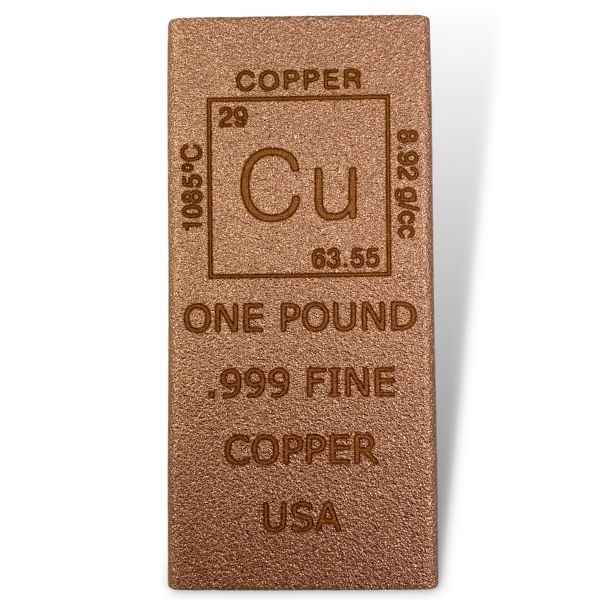
If you’re dealing primarily with circulated silver coins or copper bars/rounds, the cost of safely securing them in a safe may eclipse the value of your collection. Locking your coins, bars, and rounds in a desk or drawer can always work in a pinch. If you don’t have a lock on hand, our recommendation is to find a secret spot to stack your valuables.
Storage Options For Cheap Metals
The best way to safely store very cheap precious metals is to lock them in a safe, drawer, or desk. Investing in an expensive safe to store less than $500 in gold may not be worth the extra investment. For copper and some circulated silver coins, using a basic locked box or jewelry case may be more than enough security for your portfolio.
How to Insure Precious Metals At Home
The biggest reason we don’t recommend storing precious metals at home is that some portfolios are not covered by most homeowners insurance packages. For many insurance plans, coverage for gold and silver caps off at $200.
Investors whose portfolios are too expensive for basic coverage should purchase additional coverage from their homeowners insurance provider. This can get expensive quickly, depending on your provider and the value of your portfolio. As always, it’s better to be safe than sorry. If the cost of buying additional coverage is higher than the fee for a bank safe deposit box, we recommend you go with the latter option.
Final Thoughts: How to Safely Store Precious Metals
Learning how to safely store precious metals is the most important thing new investors can do. Although it’s fun to collect gold, silver, and platinum coins and bars, the last thing you want is to have your hard-earned assets stolen or destroyed.
The good news is that you have several options for safely and securely storing your precious metals. Small portfolios made up of inexpensive metals can usually be stored casually at home. For larger stacks of gold, silver, and platinum, many investors opt for third party storage at either a bank or a bullion dealer.
You might also be interested in:


About The Author

Michael Roets
With over six years of experience reporting on precious metals, Michael Roets covers market news, buying guides, and commentary for Hero Bullion.