
Why Do Coins Have Ridges?

At a Glance:
-
- Ridges, often called reeding, are raised vertical marks added to a coin’s edge.
- Ridges were originally introduced to deter the shaving of precious metals from coinage.
- Today, circulating coins use reeding as tradition and to differentiate coins by touch.
- Modern bullion coins often use reeding as a tool for authentication and to deter fakes.
- On this page, learn more about why coins have ridges, the history of coin reeding, and more.
Why Do Coins Have Ridges?
Coin ridges, also known as reeding, were originally developed as a method to deter shaving, where scammers would shave a portion of the precious metal off of the edge of a coin. Modern bullion coins like the American Gold Eagle include reeding as an anti-counterfeiting measure. Circulating coins have ridges mainly because of tradition and continuity.
In the mid-17th century, British coin-makers introduced coin ridges as a method of preventing “clipping,” which happens when a fraudster shaves the edges down on a coin to steal some of the precious metal it contains. This purpose isn’t necessary for most modern circulating coins, since these coins seldom use actual precious metals. But coin reeding has persisted in the American coinage tradition for numerous reasons.
On this page, learn about the history of coin reeding, why modern coins often feature coin ridges, and the role that reeding plays in securing your investments against theft.
What Are Coin Ridges?
Coin ridges, also known as reeding, are vertical marks placed on a coin’s edge during the minting process. Each ridge generally extends from the top of the coin’s obverse to the top of its reverse, and most coins feature a large number of ridges.
You’ll find coin ridges on most bullion coins, including most gold, silver, and platinum coins produced by the United States Mint. Other sovereign mints also utilize reeding on their coins. In many countries, circulating coinage, or coins meant for use by the general public, also features a reeding effect.
You may notice that some of your coins appear to be missing a ridge. Some gold and silver coins include missing ridges as an added security feature to deter would-be counterfeiters, making it easier for experts to identify when a fake has appeared on the market.
What is Coin Clipping?
Coin clipping, also called coin shaving, is the act of debasing a coin by shaving part of the metal off of its edges. This can be an effective way for thieves or fraudsters to generate extra wealth, since it can be hard to detect a shaved coin if the coin is completely smooth on its edges to begin with.
Shaving is seldom a problem on modern coinage for a couple of reasons.
First, most modern coins include reeding, which deters coin clippers by making it very obvious if someone has attempted to shave the edge off of a coin. It is very difficult to replicate modern coin reeding by hand, especially without specialized tools.
Second, most circulating coins are now made with inexpensive base metals. This means that it’s simply not profitable for thieves to shave down a U.S. dime or quarter-dollar, for example, since the metals scraped from these coins are worth so little.
Preventing Coin Clipping or Shaving
The main reason why coins have ridges is to prevent coin clipping. In the mid-17th century, Royal Mint officials began implementing reeding in an effort to deter coin clipping and shaving. Coin clipping had become a major problem in Great Britain at the time, since Britain’s coins featured smooth edges, which allowed clippers to steal small amounts of silver or gold off of them.
These smooth edges made it easy for thieves to simply shave the gold or silver off of a coin before using it to purchase a product or service. Then, the person accepting the payment would be receiving less metal for their goods, and the thief would have an additional bit of gold or silver.
This new process for minting coins was successful at deterring coin shaving and clipping. Centuries later, nearly every country in the world either currently uses reeding on circulating coins or has in the past. This is true in the United States, despite the fact that our circulating coins are no longer minted with precious metals worth clipping.
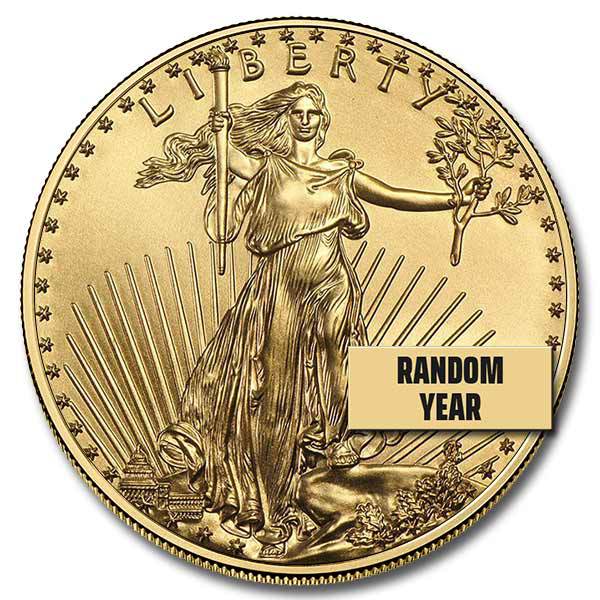
How Does Coin Reeding Work?
Modern reeding on coins is applied by a specialized tool called a collar die. A collar die is a steel ring that surrounds the coin blank during the striking process. When the hammer die strikes the blank, the pressure created by the strike pushes the metal into the grooves of the collar. The metal that flows into these grooves creates the reeded look on the edges of modern coins.
Before the invention of the collar die, reeded coins were produced by rolling the blanks between grooved steel bars using a Castaing machine. These coins were then struck inside of an open collar, inverting the modern process.
Reeding on Modern American Coins
Both circulating coinage and investment-grade bullion coins in the United States feature reeding. These are the current American coins that have reeding on the edges:
- Dime
- Quarter
- Half dollar
- Silver Eagle (bullion)
- Gold Eagle (bullion)
Cents, nickels, and modern dollar coins feature no reeding, although Native American dollars minted since 2009 have featured edge lettering.
Why Circulating Coins Have Ridges
Circulating U.S. coins feature ridges primarily for continuity purposes. The modern American coins with reeding were originally minted with 90% silver, which made coin clipping or shaving a genuine concern worth mitigating. Likewise, the coins without reeding, including the cent, nickel, and modern dollar coin, were not originally made with silver and thus never needed reeding in the first place.
A byproduct of coin reeding is that it helps people identify the denomination of a coin without sight. Imagine that you have a handful of coins in your pockets and are looking for the penny. The penny and dime are similarly sized, but only the dime has reeding. When you feel for the coins in your pocket, you can determine which of the two small coins is the penny by finding the one without reeding.
How Many Ridges Are on Each U.S. Coin?
The number of ridges on a U.S. coin varies. Cents, nickels, and modern-era dollar coins feature no reeds, although Native American dollar coins have featured edge lettering since 2009.
Below, check out edge types, reeding figures, diameters, and notes for each modern U.S. coin.
Ridges in U.S. Coins
| Coin | Reeds | Edge Type | Diameter | Notes |
|---|---|---|---|---|
| Cent (Penny) | 0 | Plain | 19.05 mm | Made of copper and zinc, so clipping was never a major threat. |
| Nickel | 0 | Plain | 21.21 mm | Made of base metals since the 19th century with a small exception during WWII, so reeding not necessary. |
| Dime | 118 | Reeded | 17.91 mm | Small but densely reeded. |
| Quarter | 119 | Reeded | 24.26 mm | Only one more reed than the dime, but much larger. |
| Half Dollar | 150 | Reeded | 30.61 mm | Highest reed count among modern circulating U.S. coins. |
| Dollar | 0 | Lettered | 26.49 mm | Edge inscriptions since 2009. Sacagawea dollars of 2000–2008 were plain. |
| Silver Eagle (1 oz) | 201 | Reeded | 40.60 mm | Bad counterfeits fail to match the correct reed count. |
| Gold Eagle (1 oz) | 161 | Reeded | 32.70 mm | Fewer reeds than the Silver Eagle, despite both being one troy ounce. |
| Gold Buffalo (1 oz) | — | Reeded | 32.70 mm | Reeded, but no missing reed, unlike the American Eagle series. |
Source: Circulating coin diameters, edge types and reed counts are published by the U.S. Mint. Reed counts for the American Eagle were confirmed by a U.S. Mint spokesperson quoted in Coin World. Gold Buffalo reed counts are not published by the U.S. Mint.
Plain vs. Reeded vs. Lettered Edges
When a coin is minted, plain and reeded edges are not the only available options. In the United States, coins can also have edge lettering. Coins with lettered edges feature either raised (above the surface of the coin) or incused (below the surface of the coin) inscriptions on the edge.
Check out this breakdown of how each type of coin edge looks, as well as which modern coins use each option.
Edge Types on U.S. Coins
Plain Edge
Smooth, unmarked edge. Easy for scammers to “shave” down. This is why modern bullion U.S. coins feature reeding.
Found on: Cent, nickel, Sacagawea dollars (2000–2008).
Reeded Edge
Vertical ridges, applied by a grooved tool called a “collar.” Difficult to replicate by hand, making it an excellent deterrent to coin shaving.
Found on: Dime, quarter, half dollar, American Gold and Silver Eagles
Lettered Edge
Either raised or incused lettering on the edge of a coin. Difficult to counterfeit, and usually reserved for special coins.
Found on: Presidential dollars (2007–2016), Native American dollars (2009-Present).
Source: Edge types sourced from the U.S. Mint’s coin specifications page. Illustrations not to scale.
Why Do Dimes and Quarters Have Ridges but Pennies and Nickels Don’t?
The main reason why dimes and quarters have ridges but pennies and nickels do not comes down to tradition and continuity. Prior to 1965, both quarters and dimes were minted with 90% silver. Because of this, quarters and dimes needed ridges to deter coin shaving or clipping. Pennies were never minted using precious metals, so there was no need to add reeding to these coins. Nickels were briefly made with 35% silver during World War II, but the nickel was otherwise minted with base metals since its introduction into U.S. currency.
When silver was removed from U.S. coinage through the Coinage Act of 1965, the U.S. Mint continued to implement reeding on coins that had previously been minted with reeding to avoid confusion and to continue the use of ridges to differentiate between coins.
Brief History of Coin Reeding
Coin ridges first appeared on British coinage beginning in the 17th century, when Royal Mint officials implemented coin reeding in an effort to deter coin clipping.
To address the coin clipping problem, the Royal Mint began adding small vertical markings to the edges of coins. The result? It became much more difficult for thieves to easily clip coins – and much easier for citizens and law enforcement officers to confirm when a coin has been clipped or shaved.
The invention was a massive success, and many coins produced around the world today still include reeding.
Reeded Edges on World Bullion Coins
Most of the world’s modern gold, silver, and platinum bullion coins use reeding. This practice continues today for bullion coinage, as reeding can deter counterfeiting and mitigate the risk of either coin clipping or coin shaving. Modern technology also allows mints to create intricate edge reeding patterns that are especially difficult for counterfeiters to copy.
Here’s a breakdown of popular world bullion coins and their edge types:
Reeded Edges on Major World Bullion Coins
| Coin | Edge Type | Diameter |
|---|---|---|
| Gold Eagle | Reeded | 32.70 mm |
| Silver Eagle | Reeded | 40.60 mm |
| Gold Buffalo | Reeded | 32.70 mm |
| Gold Krugerrand | Reeded | 32.77 mm |
| Gold Britannia | Reeded | 32.69 mm |
| Silver Britannia | Reeded | 38.61 mm |
| Gold Maple Leaf | Reeded | 30.00 mm |
| Silver Maple Leaf | Reeded | 37.97 mm |
| Gold Kangaroo | Reeded | 32.10 mm |
| Gold Philharmonic | Reeded | 37.00 mm |
| Silver Philharmonic | Smooth | 37.00 mm |
| Silver Panda | Reeded (slanted) | 40.00 mm |
| Silver Libertad | Reeded | 40.00 mm |
Note: All coins on this list are for the 1 oz size. British coins are often called “milled,” but this is just a common British term for the same thing as reeding. The Gold Eagle and Silver Eagle have featured a missing reed as a security feature since the type-2 release in mid-2021. Gold Buffalos do not feature a missing reed.
Using Reeded Edges to Identify Fake Coins
Reeded edges can sometimes help investors identify counterfeit gold and silver coins. This is particularly true for coins fitted with “missing” reeds, which are gaps in the reeding of a coin applied to help authenticate it as a genuine example.
If your coin features a missing reed as a security feature, you can quickly identify fakes by looking for the missing reed. Coins that feature all reeds when they should be missing one are easy fakes to spot.
The Missing Reed on American Gold and Silver Coins
On modern bullion coins like the American Gold Eagle, reeding can also be an effective way to prevent and discourage counterfeiting. Adding reeding to the edge of a coin makes it more difficult for counterfeiters to effectively and convincingly mimic the design of the coin they’re attempting to counterfeit.
The United States Mint began producing American Gold Eagles and Silver Eagles with a missing reed with the introduction of the Type 2 design series in mid-2021. After this date, each release in the 1 oz American Eagle series features a missing reed, which changes location periodically.
This feature is not present on American Gold Eagles and American Silver Eagles minted prior to the introduction of the Type 2 design series, and fractional Gold Eagles do not include a missing reed.
Frequently Asked Questions About Ridges on Coins
What Are the Ridges on Coins Called?
Coin ridges are often called reeding. Coins minted with ridges are reeded coins, and individual ridges are called reeds. Reeds are formed by a striking collar, which is an additional die that shapes the edge of a blank while it is struck by the striking die.
Why Do Coins Have Ridges?
Coin reeding was originally introduced to prevent coin clipping, where scammers shave the valuable metal off of the edge of a silver or gold coin. Ridges complicate the shaving process, since it is difficult to replicate the look of reeding/milling by hand – and missing reeds are evidence that a silver coin has been shaved. In the modern era, reeding is still present on many coins because of tradition, to detect counterfeits, and to help people distinguish different coins without the use of sight.
How Many Ridges Does a Quarter Have?
A United States quarter has 119 reeds. Dimes have 118 reeds, and half dollars have 150, which is the highest reed count on any modern circulating American coin. Cents and nickels have no reeding, and modern dollar coins have no ridges but do feature edge lettering.
Why Do Pennies and Nickels Have No Ridges?
Pennies and nickels don’t have ridges because neither coin was originally worth shaving, since they were minted using inexpensive base metals. Dimes, quarters, and half dollars were made with real silver until 1965, so these coins needed the additional protection offered by edge reeding.
Did Isaac Newton Invent Coin Reeding?
Isaac Newton did not invent coin ridges, but he was responsible for expanding its widespread use on British coinage during his tenure as Warden of the Royal Mint. Coin reeding was first used in Britain in 1662 under Charles II.
Is Coin Clipping a Crime?
Yes, coin clipping is illegal. 18 U.S.C. § 331 specifies: “[Anyone who] fraudulently alters, defaces, mutilates, impairs, diminishes, falsifies, scales, or lightens” a United States coin can face up to five years in prison, as well as a fine. In 17th-century England, clipping coins was still considered treason – violators could face execution for trying to shave or clip coins.
How Many Reeds Does the American Gold Eagle Have?
The 1 oz American Gold Eagle has 161 reeds, according to the U.S. Mint. The 1 oz American Silver Eagle has 201 reeds. Reed counts can be an effective way to authenticate a coin, since lazy counterfeiters may not get the reed count exactly right – but the U.S. Mint does.
Why is There a Missing Reed on My American Eagle Coin?
Gold and Silver Eagles produced after mid-2021 are intentionally missing a reed. This is a security feature meant to identify counterfeit coins. This does not appear on fractional sizes, and the location of the missing reed varies from year to year.
Final Thoughts: Coin Ridges and Coin Security
To new coin collectors, the ridges on a coin may seem strange. In reality, coin ridges were invented to make it more difficult for thieves to shave the precious metals off of the edges of circulating coins, which was a major problem when coin reeding was conceived way back in the 17th century.
Most circulating coins today have little use for reeding, since they’re no longer made with valuable metals like gold and silver. On modern bullion coins, reeding helps deter both counterfeiting and coin shaving.
You might also be interested in:


About The Author

Michael Roets
With over six years of experience reporting on precious metals, Michael Roets covers market news, buying guides, and commentary for Hero Bullion.