
Where To Sell Gold

At a Glance:
-
- The best place to sell gold depends on what you’re planning to sell.
- Bullion products like coins and bars are best sold to online or local precious metal dealers.
- Scrap and common jewelry should be sold to refiners, while rare coins should be sold at auction or to specialists.
- Learn about where to sell gold, how to get the most cash for your gold, and more on this page.
Where To Sell Gold
The best place to sell gold depends on the type of gold you’re selling and your preferences. Online bullion dealers typically pay the best for gold coins and bars, although local coin shops are also worth a quote. Gold jewelry and scrap often sell best to refiners, while designer or antique jewelry should usually go to either an estate jeweler or auction house, and numismatic gold is best sold to auction houses or specialized numismatic dealers.
Most gold investors will eventually want to sell all or some of their collections. Finding the right buyer can be tricky, and selling to the wrong type of establishment could mean losing out on hundreds of dollars or more. To choose the right place to sell gold, investors should consider the value of their items, the types of products they own, and how fast they need to be paid.
On this page, learn more about where to sell gold, what buyers are best for each type of gold item, and how these buyers decide what to pay you.
What Gold Is Worth Selling?
Excluding gold-plated items that contain only trace amounts of gold, all gold is worth selling. Gold items are usually worth around their melt value, with exact offers depending on demand, condition, and other factors.
Common gold jewelry and scrap gold tend to sell for less than melt value due to refining costs and limited demand in their existing form. Gold bullion coins and bars are consistently in demand and tend to fetch offers closer to melt value, while numismatic and graded gold coins can range from near melt value to high premiums over melt, depending on rarity, grade, and demand from collectors.
Gold Bullion Coins & Bars
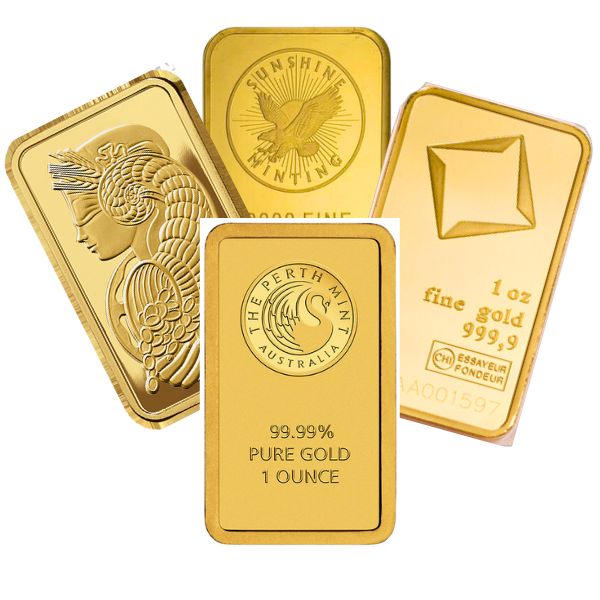
Gold bullion coins and bars are usually easy to sell. Demand is typically high for most modern bullion pieces, meaning that buyers are often willing to pay at least reasonably near melt value for quality coins and bars. Actual premiums for offers vary based on a coin or bar’s condition, the popularity of its series, and overall market demand.
Perennially popular coins like the American Gold Eagle and bars like the PAMP Fortuna series are the easiest to liquidate, and high demand drives tight bid-ask spreads that keep offers high. This extends to most sovereign bullion coins, although pieces from smaller mints may command lower offers and condition can play a major role in premiums across all products.
Bullion dealers are usually your best bet for selling gold bullion coins and bars, but local coin shops can also offer competitive prices and the convenience of selling in person.
Gold Jewelry and Scrap
Gold jewelry is one of the largest markets for gold globally, and many first-time sellers are holding jewelry. Typically, gold jewelry sells for around its melt value or slightly less, depending on the piece’s condition and artistic appeal. Jewelry pieces likely to be melted down sell for less than in-demand modern or vintage pieces, and scrap gold will seldom sell for its full melt value.
For gold jewelry, your best buyer hinges on what kind of jewelry you’re holding. Standard modern pieces with no major brand behind them are likely to be melted down and turned into new jewelry or bullion pieces; expect offers ranging from melt to several percentage points below melt for these pieces. For standard gold jewelry and scrap, refiners are a good place to look for an offer.
Popular brands of gold jewelry or vintage pieces are a different story. Some of these pieces can carry a substantial collector’s premium, making it worth grabbing a quote from a jeweler or auction house.
Numismatic and Graded Gold Coins
Numismatic gold coins are coins that carry value beyond their melt value due to their collectability. This is the trickiest category of gold product to appraise, since the market value of a numismatic gold coin can vary greatly depending on its rarity, condition, and overall market demand.
In the United States, most numismatic gold coins are pre-1933 gold coins, or coins produced by the U.S. Mint before circulating gold production was suspended in 1933. Common dates for these coins often trade near standard bullion prices, but key dates are more valuable due to their scarcity. Key dates also exist for some modern gold bullion coins, including certain limited-mintage years and special releases.
For numismatic and graded gold coins, auction houses and numismatic dealers are the best places to start. These dealers specialize in rare coins with real collectability value, and this can help you get your money’s worth. Bullion dealers are more likely to offer close to melt value, since they trade in volume on gold content and will rarely give due deference to a piece’s larger numismatic appeal.
Gold Selling Options Compared
Modern investors have several options for where to sell their gold, and the right one to pick hinges primarily on what type of gold item is being sold. Between online and local bullion dealers, coin shops, auction houses, and precious metal refiners, there’s a market out there paying top-dollar for any gold product you’re selling.
Below, we’ll take a look at which gold buyer is best for each type of item being sold.
Where to Sell Your Gold, by What You Have
| What You’re Selling | Best Buyer | Also Worth a Quote | Usually Skip |
|---|---|---|---|
| Gold bullion coins (Gold Eagle, Maple Leaf, Krugerrand, Buffalo, etc.) | Local or online bullion dealer | Local coin shop | Pawn shops, mail-in cash-for-gold services |
| Gold bars and rounds | Local or online bullion dealer | Local coin shop | Pawn shops, jewelers |
| Gold jewelry and scrap (10K–22K) | Refiner (sale minimums may apply) | Local coin shop | Mail-in cash-for-gold services |
| Designer, antique, or vintage gold jewelry | Estate jeweler, auction house | Jeweler | Refiners (pay melt value or less) |
| Graded and numismatic gold coins (pre-1933, key dates, etc.) | Auction house or numismatic dealer | Local coin shop | Refiners and scrap buyers (pay melt value or less) |
Sell to Us: Hero Bullion has an industry-leading buyback program. Sell gold to us to lock in an immediate offer with our team. Fast payment, fair offers, transparent process throughout. Learn more about selling gold to Hero Bullion.
There’s a fair bit of overlap between different options for where to sell gold, so your mileage may vary. Remember, it’s always okay to reach out to multiple buyers for quotes before committing to a sale.
Online Bullion Dealers
Online bullion dealers are an increasingly popular place to sell gold. Dealers are always looking to supplement their inventory with precious metals from retail customers, and offers in certain markets can be fantastic. Because online dealers have lower overhead compared to a brick-and-mortar establishment, they may sometimes offer considerably more for your gold than other options on our list.
The typical process for selling gold to an online bullion dealer involves describing the items you wish to sell before negotiating an offer. Once your offer is finalized, it’s locked in, meaning that you won’t receive less or more cash if the price of gold moves during settlement. Next, you’ll ship your items to the dealer, who verifies that they arrived as described. Payment is delivered to your account shortly after the shipment is verified.
Selling gold to bullion dealers is highly convenient, with most dealers offering quick quotes and fast payment settlement without sellers ever having to leave home.
Online bullion dealers are often your best bet when selling gold bullion coins, bars, and rounds. Online dealers have lower overhead and methods of quickly liquidating excess stock. This means higher offers for coins with historically tight bid-ask spreads, so more money in your pocket.
Local Coin Shops
Local coin shops can also be great for selling gold, and your local coin dealer may be especially good if you plan to sell rare or numismatic coins. Selling gold to a local coin shop comes with the peace of mind of doing business in person, and same-day payment at a dealer near you can mean real time saved.
Your local coin dealer is a versatile place to sell gold; most dealers today trade in a combination of rare coins and bullion, although jewelry and scrap may or may not be part of your local coin shop’s offerings. Local dealers often won’t offer the same high prices for hot bullion products, but a coin shop is always worth getting a quote for bullion products and rare coins.
The big appeal of doing business locally is simplicity. Your local dealer will pay you immediately, oftentimes in cash, and you can negotiate prices directly with products in hand.

Refiners
Refiners specialize in turning scrap gold into highly pure bullion. You should consider selling your gold to a refiner when you’re holding either scrap gold or common gold jewelry. Many local coin shops don’t deal in jewelry, and very few shops will offer top dollar for gold scrap, since they’d be selling this scrap upstream to refiners for less than melt.
When you sell gold to a refiner, understand that you’ll almost never be paid melt price. That story isn’t any different for other gold buyers, though. Online dealers, local coin shops, or pawn shops are also paying less than melt for scrap gold. This will only change during extreme markets where refiners experience a drought of refinable gold and producers are paying heightened prices for high-purity material to work with. Even in these extreme markets, offers rarely reach melt.
That being said, refiners offer some of the best prices in the industry for scrap gold and common jewelry valued for its metal content. Payment settlement is typically fast once your items are tested, especially if you work with a local refiner.
The one caveat to selling to refiners is that most won’t deal with small amounts of metal. Minimums vary by refiner, but expect that you’ll need to liquidate a certain number of ounces before an actual refiner is willing to buy your metals. For smaller amounts, your only options may be local and online dealers.
Jewelers
Selling gold to a jeweler is only worthwhile if you’re holding a vintage or sought-after modern gold piece. Most modern gold jewelry trades for melt value or less, and only desirable pieces fetch a premium that justifies selling to a specialist. But if you’re holding onto estate jewelry or ornate vintage pieces, going to a jeweler can sometimes be the right move.
When jewelers make offers for vintage or valuable gold jewelry, they’re looking at more than just gold content. Depending on a piece’s maker, design, era, rarity, and condition, premiums can be extreme and vary considerably. Be sure to get multiple quotes from different jewelers, especially if you have a rare or sought-after piece of gold jewelry.

Auctions, eBay, and Private Sales
Shops and dealers aren’t your only options for selling gold. Auction houses, auction sites like eBay, and private sales are all places where sellers can liquidate their gold for cash.
Auction houses are your best move if you’re dealing with exceptionally rare and valuable numismatic gold coins. Auction houses charge fees, often based on the final gavel price of a sale. Products that aren’t particularly valuable to collectors are best sold to dealers, but extremely rare and valuable pieces may fetch far more at auction.
Selling on eBay is popular but can be difficult for new sellers without an established brand. eBay offers few seller protections for new accounts, and handling shipping, waiting 2-7 days after delivery for payment, and paying eBay’s sale fees can be tricky if you’re not already experienced on the platform.
Sellers who are experienced may opt for private sales, but we do not recommend conducting a private sale unless it’s with a buyer you already trust. If you do decide to sell gold privately, always follow the proper safety precautions. Negotiate prices in writing, meet somewhere public or in front of a police station, and always be on the lookout for counterfeit bills or other red flags.
“Cash For Gold” Services
“Cash for gold” services are rarely the best place to sell gold. While these companies offer quick and efficient payment and can be good if you desperately need cash, they rarely offer close to what a gold item is worth. Most “cash for gold” companies operate on high volumes and profit from buying far below melt. You’re better off selling your gold almost anywhere else compared to these gold-buying companies.
Pawn Shops
Selling gold to a pawn shop is a good option if you’re short on cash and need a loan, or if you want to be paid immediately for the gold you own. That being said, pawn shops seldom offer close to what you’d receive for your gold at a local coin dealer, online bullion dealer, or nearly any other option on this list.
Pawn shops typically offer substantially less than melt value for most gold products, with even numismatically valuable gold pieces being quoted at less than they’d typically be worth. If you do sell gold to a pawn shop, stick to selling low-premium gold products like common jewelry and scrap.
What Do Buyers Pay For Gold?
What buyers pay for gold depends on both where you sell your gold and what types of items you intend to sell. Let’s take a look at each major place to sell gold, which gold products you should take to them for a quote, how they typically set their offers, and what to watch out for if you’re looking to get the most out of your gold sale.
Gold Buyers Compared
| Buyer | Best For | How the Offer Is Set | Watch Out For |
|---|---|---|---|
| Online bullion dealers | Bullion coins and bars, especially larger lots | Bids are tied to live spot and confirmed online or over the phone before shipping. | Transaction minimums, payment fees, shipping fees, and insurance vary by dealer. |
| Local coin shops | Fast cash, especially small or mixed lots | Offers are typically spot minus the shop’s margin. Daily bids are often posted, depending on shop. | Bids vary by shop, so be sure to get multiple quotes and compare offers. |
| Refiners | Common jewelry, scrap, dental gold, etc. | Bids come from assayed fine gold content, minus a variable refining fee. | Refiners usually require minimum lot sizes. Assay and processing time can require waiting. |
| Jewelers | Designer, vintage, and estate jewelry pieces | Jewelers usually offer resale value for wearable pieces and scrap price for everything else. | Jewelers are not bullion specialists, so coins and bars often get a scrap bid. |
| Pawn shops | Quick sales or loans needed | Offers are typically well below melt for most items. | Pawn shops usually the lowest bids. Read all loan terms carefully. |
| Auctions, eBay, and private sales | Rare and numismatic coins | No quote; offers are whatever retail buyers bid. | Seller fees, slow payment settlement, complex setup for new sellers are all obstacles. |
| Mail-in cash-for-gold services | Almost never the right option | Quotes are some of the lowest in the industry, and offers come after your items arrive. | These services offer very low quotes for most gold items, and the gold leaves your hands before an offer arrives. |
Source: Offer methods account for the typical industry practice but may vary by business.
Spot Price vs. Gold Melt Value
The spot price of gold isn’t the same as your product’s melt value, but the former is used to determine the latter. Spot price describes how much gold is typically worth, while melt value refers to the current value of the gold content inside of your item.
To find the melt price of a gold product, take the spot price of gold and multiply it by your item’s weight in troy ounces and fineness. The melt value of a 1 oz 99.99% pure gold coin or bar may be the same as spot price, since spot price is quoted in troy ounces.
How To Get The Best Price For Your Gold
The best way to make sure you get the best price possible for your gold is to research before selling. Consider what type of gold product you’re selling, as different buyers are better fit than others for certain item types, and compare offers across multiple buyers before committing to a sale price.
One important thing to note is that backing out of a sale can be tricky once you’ve locked in a price. Most precious metal dealers will charge a cancellation fee to sellers who back out after agreeing in writing to sell their items. Additionally, you may be required to pay a market loss fee, depending on whether the spot price of your precious metals increased between when you agreed to sell and when you cancelled the sale.
Red Flags When Selling Gold
No matter which type of buyer you choose to sell gold to, you should always be on the lookout for red flags, both before and after locking in a price for your metals.
The standard advice for doing business with a company applies to selling precious metals. Companies without verified reviews, a physical address, or a phone number should be avoided. High-pressure sales tactics should also make you reconsider doing business with someone. For online dealers, stay away from companies that quote offers without a per-ounce equivalent or fail to post bid prices and a live spot reference.
- No clear posted bid prices or live spot tracking.
- Quotes given in irregular weights with no troy ounce equivalent.
- High pressure sales tactics or pressure to sell immediately.
- No company details like physical address, phone number, or verified customer reviews.
As usual, take some time to read verified customer reviews and testimonials before doing business with any coin shop or dealer.
Taxes and Reporting for Selling Gold
You’ll only owe taxes when selling gold if you make a profit. If your cost basis, or the total cost of buying your gold items, is more than the value you receive for selling, you’re not obligated to pay taxes on the sale. When you profit on your gold sale, you’ll owe either a short-term or long-term capital gains tax.
Short-term capital gains taxes apply when you’ve held your gold for one year or less before selling. The profits from these sales are taxed at your marginal income tax rate, which can be up to 37%.
If you’ve held your gold for more than a year, you’ll instead pay a long-term collectibles capital gains tax. This tax is also equivalent to your marginal income tax rate, but it caps at a maximum of 28%. This is one reason why many gold investors prefer to hold their metals for more than one year before deciding to sell.
Selling Gold to Hero Bullion
Hero Bullion buys gold, silver, and other precious metals. Our industry-leading buyback program allows investors to quickly liquidate their collections. Take advantage of quick offers, fast payment, and fair quotes when you sell gold to Hero Bullion.
How Selling Gold to Hero Bullion Works
Payout options
Usually arrives within 1 business day.
Usually arrives same day.
Good to know: You can apply payments when selling toward future orders for easy trading. IRA gold items can be sold to Hero Bullion. Canceling sale after locking in pricing results in a $50 cancellation fee plus any market loss incurred.
View our current offers and secure your own quote.
Frequently Asked Questions About How To Sell Gold
What’s the Best Place to Sell Gold Coins?
Online bullion dealers are usually the best place to sell gold bullion coins, although your local coin shop is also worth a quote.
Do Pawn Shops Pay a Fair Price for Gold?
Pawn shops seldom pay a fair price for gold, often offering substantially less than melt for most gold coins, bars, and jewelry pieces.
Is It Better to Sell Gold Online or Locally?
Online gold dealers often offer higher quotes for gold and are more convenient than doing business locally, but selling to a local shop gives you immediate payment settlement and the benefits of doing business in person.
How Much Below Spot Will a Dealer Pay for Gold?
Dealers typically offer below spot for gold, but exact quotes vary based on the product being sold. Popular products in great condition command prices closer to spot, rare numismatic coins often trade above spot/melt, and cull or undesirable pieces fetch the lowest offers.
Do I Have to Pay Taxes When I Sell Gold?
You only pay taxes when selling gold if you make a profit. This profit is taxed at your ordinary income tax rate if it’s a short-term sale (<1 year) or your marginal tax rate if it’s a long-term sale (>1 year). Tax rates for long-term sales of gold cap out at 28%, while your income tax rate can be as high as 37%.
Will the Dealer Report My Gold Sale to the IRS?
Your dealer will sometimes report your gold sale to the IRS, but this does not impact whether you owe taxes. Taxation of gold sales happens only when you make a profit based on your cost basis.
How Do I Sell Inherited Gold?
The best way to sell inherited gold is to have your items professionally appraised before seeking quotes from buyers like local coin shops, refiners, and online precious metal dealers such as Hero Bullion. Be sure to compare quotes across multiple buyers before finalizing an offer. The cost basis of inherited gold resets at the date of an individual’s death, defaulting to fair market value on that day.
Final Thoughts: Where to Sell Gold
Buying gold is only one half of the investing process. When you decide it’s time to sell your gold, you should be prepared. Investors trying to sell their gold have several options, and the right place to sell hinges primarily on the type of product being sold. While gold coins and bars are easiest to sell for a fair price to online or local bullion dealers, rare coins should go to auction houses or numismatic specialists. Gold scrap and common gold jewelry are best sold to either jewelers or refiners, depending on quantity and the quotes you receive. Rare or vintage jewelry should be brought to specialist jewelers, with auction houses also worth a consideration.
You might also be interested in:


About The Author

Michael Roets
With over six years of experience reporting on precious metals, Michael Roets covers market news, buying guides, and commentary for Hero Bullion.