
The Bid-Ask Spread in Precious Metals: Investor Guide

At a Glance:
-
- The bid-ask spread describes the difference between what people will sell an asset for and what they will pay for it.
- A tight spread typically means high demand and strong liquidity, although exceptions exist in precious metals.
- Government-minted coins like the Gold Eagle and Silver Maple tend to offer the tightest bid-ask spreads.
- On this page, learn more about bid-ask spreads in the precious metals market.
The Bid-Ask Spread in the Precious Metals Market: Investor Overview
The bid-ask spread in the precious metals market describes the difference between what a dealer sells an item for (ask) and what they would be willing to pay for the same item (bid). The bid-ask spread can give traders insight into demand for a given product, and understanding the bid-ask spread can help investors make more informed buying decisions.
If you’ve ever tried to sell your precious metals, you might notice that dealers seldom offer the same amount of money as you paid for your gold or silver coins, bars, or rounds. Why is that? This difference is known as the bid-ask spread. The bid-ask spread refers to the difference between the amount of money a dealer is willing to sell an item for (ask) and the amount of money they are willing to pay to buy the item (bid).
The difference between the bid and the ask is known as the bid-ask spread, and it can be an important indicator of demand for a given product. Under typical market conditions, the bid-ask spread tends to be smaller when a product is in high demand – and larger when demand for the product is low. This occurs because high demand creates a busy market, driving competition and closing the gap between buy and sell offers.
However, the physical precious metals market is somewhat unique. Typical market conditions are great for describing futures and other “paper” markets, but things are more complicated when we’re talking about physical products with limited availability. In the retail precious metals market, bid-ask spreads can either tighten or expand when demand increases, depending on your market and the specific product you are purchasing.
Understanding how the bid-ask spread works can help precious metal stackers better navigate the market, especially during periods of sky-high demand for popular products. On this page, learn what the bid-ask spread is, what it means for investors, and more.
About the Bid-Ask Spread
The bid-ask spread describes the difference between what people are offering for a product (the bid) and what they will sell the product for (the ask). The bid price for a given product is always lower than the ask price, since sellers seek to make a profit and would not offer to buy a product at a price higher than they’re willing to sell it for.
As a result, the bid-ask spread also gives traders an important insight into the state of the current precious metals market. Typically, if many people are competing to buy and sell a product, the difference between the bid and ask will generally be lower. This is because a competitive market drives competition, pushing sell and buy prices closer together. Conversely, the bid-ask spread is higher when demand is low, since low trade volume decreases competition between buyers and sellers.
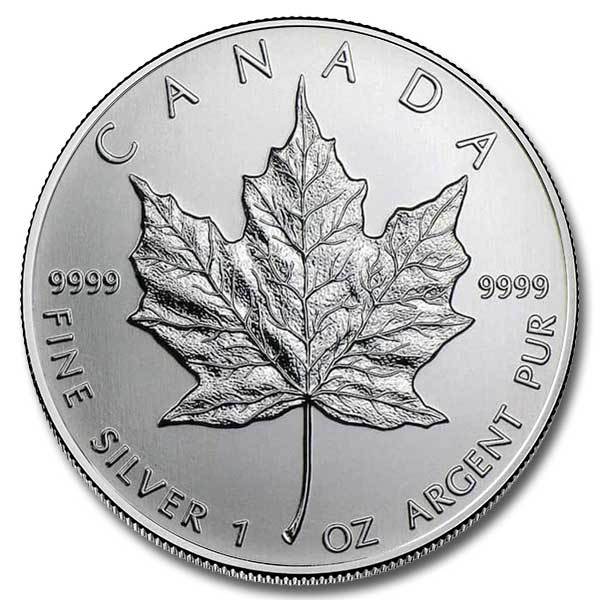
In the precious metals market, the bid-ask spread varies based on the type of metal, the specific product, and where in the world you’re trading. Although the bid-ask spread for an asset tends to tighten as demand increases, certain products may not strictly follow this pattern. The American Silver Eagle, for example, saw a spike in precious metal premiums and a widening of the buy-sell spread during supply shortages in 2020-2021. Other popular products, such as the Canadian Silver Maple, tend to offer consistently tight buy-sell spreads.
How to Determine the Bid-Ask Spread
If your preferred precious metals dealer has a buyback program, figuring out their bid-ask spread should be pretty simple. Just compare the sell price of a given product, such as a British Silver Britannia, to the price your dealer is willing to pay to buy one from you. The difference between these two values? That’s your bid-ask spread. The “bid” refers to how much a dealer is willing to pay for a precious metal product, and the “ask” is how much they will sell that same item for.
To get a bigger idea of the bid-ask spread, you can also evaluate buy and sell offers across multiple dealers. Checking out several dealers can help you understand whether the bid-ask spread offered by your dealer is unique to their site or shop – or a feature of the larger market.

Round-Trip Cost and Percentage Spreads
Round-trip cost refers to the total cost of buying and then selling an asset. If you were to buy an American Gold Eagle for $5,000 (the ask) and then sell it for $4,500 (the bid), the round-trip cost would be $500.
Because directly comparing the dollar spread across precious metals wouldn’t give you a good idea of which product is the better deal, many investors opt to use percentage spreads. As an example, let’s compare two hypothetical purchases: an American Silver Eagle that asks $70 and bids $60 versus a Canadian Gold Maple Leaf that asks $5,000 and bids $4,500. The dollar bid-ask spread for the American Silver Eagle is only $10, while the Gold Maple’s bid-ask spread is $500. However, the percentage spread for the Gold Maple is 10%, and the Silver Eagle’s spread in this example is around 14.29%.
To find the percentage bid-ask spread of a precious metal product, divide the spread by the ask, then multiply that solution by 100.
Bid-Ask Spread vs. Precious Metal Premiums
Bid-ask spreads and precious metal premiums are two different things, but they go hand-in-hand in the physical metals market.
A premium describes the difference between the total retail cost of a precious metal product and its melt value. The bid-ask spread is the difference between what a dealer is paying for that item and what they’re willing to sell it for. The ask is the melt value of a product plus a premium, while the bid is the buyback price (often below melt/spot).
Bid-Ask Spread Across Different Precious Metals
Typical bid-ask spreads for products vary across different precious metals. Gold typically offers a tighter bid-ask spread, since gold’s trade volume tends to be higher and silver prices are historically more volatile than gold.
Exceptions exist. Certain silver products are popular enough to offer tight bid-ask spreads, and some gold products have historically shown wide bid-ask spreads. To compare bid-ask spreads across different metals, remember to use the percentage spread – not the dollar spread.
The Bid-Ask Spread as a Market Demand Indicator
In more traditional paper markets, the bid-ask spread directly correlates with market demand. Generally speaking, high demand and trade volume lead to a tighter bid-ask spread, since competition between buyers and sellers pushes buy offers and sell offers closer together.
Things can sometimes work differently in the physical precious metals market, where dealers charge premiums on products in order to cover the cost of their own operations. Certain products actually see the bid-ask spread widen during periods of intense demand. Because dealers can only access so many of a limited product, low mintage numbers can drive them to increase premiums when demand is high in order to hold onto the stock they have during periods of constrained supply. When this happens across the market, the bid-ask spread can actually expand rather than tighten.
With the exception of a few products with limited mintages and high demand, the most popular products in the precious metals market tend to offer the tightest buy-sell spreads. When an item is readily available to dealers and easy to sell to retail investors, bid-ask spreads are often very tight. A few examples of products with historically tight bid-ask spreads include:
- American Gold Eagle coins
- Canadian Silver Maple Leaf coins
- Standard 1 oz gold bars
Remember: bid-ask spreads vary based on the type of metal, the product you’re trading, and other factors.
How to Use the Bid-Ask Spread
Finding products with tight bid-ask spreads helps you identify which items you’ll likely be able to sell for a reasonable price later down the line. If a product has a large bid-ask spread, dealers are offering substantially less to buy your product than the price you paid to purchase it.
Changes in the bid-ask spread of specific products can also give investors some insight into what could be happening in the broader precious metals market. When the bid-ask spread skyrocketed for American Silver Eagles in 2020-2021, it was because of a combination of record demand and limited production at the United States Mint.
Is a High Bid-Ask Spread Good or Bad?
A high bid-ask spread is generally a bad thing for investors. In traditional markets, a large bid-ask spread suggests that market liquidity is low, making it more difficult to buy or sell a product for a reasonable rate. A tight buy-sell spread is good for investors, since it means you will likely be able to sell your item for a price reasonably close to what you paid.
Tight bid-ask spreads also suggest a high degree of demand, with a few exceptions. Since the bid-ask spread in the precious metals market is usually governed by the premiums dealers charge, a tight bid-ask spread often means reasonably low premiums for buyers.

Precious Metal Products With Low Bid-Ask Spreads
The precious metal products with the tightest bid-ask spreads include items with reasonably large mintages and high demand from investors. When an item either doesn’t have high demand or is minted in limited numbers, bid-ask spreads tend to be higher.
To find products with tight bid-ask spreads, look for government-minted, highly recognizable products. These products tend to be in high demand, and the ease of selling them compels dealers to keep their buy prices low and sell prices relatively high. This is an ideal setup for investors who want to buy products for reasonable premiums and sell them for close to their purchasing price.
Frequently Asked Questions About Bid-Ask Spreads
How Do You Calculate a Bid-Ask Spread?
To calculate the bid-ask spread of an asset, subtract the bid from the ask. If you need to compare bid-asks across different products, go with a percentage spread by subtracting the bid from the ask and then dividing the result by the ask and multiplying by 100. For example, a Gold Eagle that asks (can be purchased for) $3,045 and bids (can be sold for) $2,870, the spread is $175, or approximately 5.7%.
Why Do Dealers Buy Back Bullion Below Spot Price?
The bid-ask spread is how precious metal dealers make money. Just like stock brokers charge commission for selling stocks, the margin of a bullion dealer comes from the difference between what they sell an item for (often above spot) and what they buy it for (typically below spot).
Is a Wide Bid-Ask Spread Bad?
A wide bid-ask spread is generally bad for buyers. A wide spread means that the round-trip cost, or the total cost of buying and then selling a given item, is higher. Large bid-ask spreads also usually signal thinner liquidity, while a tight buy-sell spread means investors can sell for closer to what they paid.
Which Precious Metal Products Have the Tightest Spreads?
Government-minted bullion coins, such as the Gold Eagle, Silver Eagle, Canadian Maple, or the South African Krugerrand, tend to have the tightest buy-sell spreads due to their popularity and liquidity. The same goes for popular, standard products like 1 oz gold or silver bars. Because these products are so easy to quickly buy and sell, dealers can afford to offer an amount closer to their ask for them.
Is Bid-Ask Spread the Same as a Premium?
No. A premium describes the difference between the spot price of a precious metal and the total cost of a precious metal product. The bid-ask spread is the difference between how much someone is willing to pay (bid) for an item and how much they are willing to sell it for (ask). Premiums can contribute to the spread for a precious metal product, but these are two different measurements.
Final Thoughts: An Investor’s Guide to the Bid-Ask Spread
The bid-ask spread refers to the difference between what someone is offering (bid) for an asset and what they’re willing to sell it for (ask). Under typical market conditions, a tight bid-ask spread suggests that demand for an asset is high, since high liquidity and extensive demand drive buy and sell prices closer together. Alternatively, a high bid-ask spread tends to imply a lack of interest and liquidity in the market.
Things can work a bit differently in the precious metals market, where some assets are limited in quantity and supply chain disruptions can impact dealers’ access to popular products. If a product has a limited supply, dealers may sometimes increase their bid-ask spread in order to hold onto the inventory they currently have access to.
If you’re planning on buying precious metals, look for products with tight bid-ask spreads. This figure can give investors a better idea of how in-demand a given product is, and products with tight bid-ask spreads make it more likely that buyers will receive a reasonable percentage of their investment back when they go to sell.
You might also be interested in:


About The Author

Michael Roets
With over six years of experience reporting on precious metals, Michael Roets covers market news, buying guides, and commentary for Hero Bullion.