
What Metals Are Pennies Made Of?

At a Glance:
-
- The penny is a circulating U.S. coin worth one cent ($0.01).
- The composition of pennies has changed over the course of over 125 years.
- Modern pennies are minted with zinc and copper, but earlier pennies were made with various metals.
- On this page, learn about the historical metallic composition of the United States penny.
What Metals Are Pennies Made Of?
Given recent discussions about getting rid of the penny, some Americans are wondering if the tiny coin could contain metals more valuable than just a cent. It is currently illegal to melt down U.S. coins, including the penny, for scrap metal. However, this might change if the U.S. penny is both eliminated from production and removed from circulation. That being said, your modern pennies may still not be worth the trouble of melting them down. Pennies produced after October 1982 contain only a small percentage (2.5%) of copper, the main money-maker for people who buy and sell circulated cents.
This got us thinking, though. What metals are pennies made of? The penny has undergone quite a few compositional changes since the first one-cent piece was minted in 1793. From 100% copper to bronze, briefly steel, gilding metal, and finally the modern copper-plated zinc we find on modern pennies, we’re covering the long compositional history of the endangered United States penny on this page.
Historical Composition of the Penny
U.S. pennies were 100% copper until 1857, when the copper content was reduced to 88% and 12% nickel was added into the mix. During World War II, a need for copper resulted in the ‘steel cent,’ which was minted using zinc-coated steel for just one year in 1943. From 1944 until 1946, the U.S. Mint used gilding metal, a combination of 95% copper and 5% zinc, to produce pennies.
The one-cent piece turned bronze in 1947, featuring a composition of 95% copper and 5% tin and zinc until 1962, when it was replaced with a 95% copper, 5% zinc ‘gilding metal.’
Modern pennies minted on and after October 1982 are copper-plated zinc, with a precise composition of 95% zinc and a thin layer (2.5%) of copper. Pennies also got smaller over the 150+ years the coin was minted. The modern penny is the smallest ever minted, weighing in at 2.5 grams. Believe it or not, the first pennies produced by the U.S. Mint weighed more than a modern half dollar!
Need a visual reference? Let’s take a look at the historical composition and weight of the U.S. penny.
| Year Range | Coin Type/Design | Approximate Weight | Metal Composition |
|---|---|---|---|
| 1793–1857 | Large Cent | ~13.48 g | 100% copper |
| 1856–1858 | Flying Eagle Cent | ~3.11 g | 100% copper |
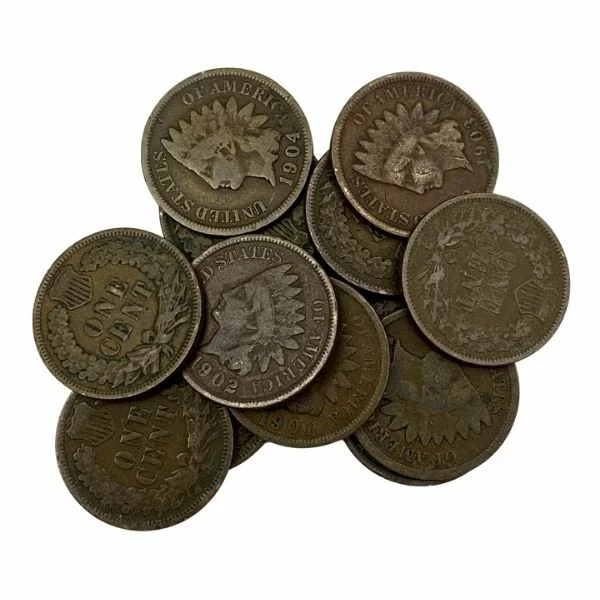
| 1859–1909 | Indian Head Cent | ~3.11 g | 100% copper |
| 1909–1982 | Lincoln Cent (pre‑1982) | ~3.11 g | 95% copper, remaining alloy of tin and zinc |
| 1943 | 1943 ‘Steel Cent’ | 3.11g | Zinc-coated steel |
| 1982 | Lincoln Cent (transition) | Varies: Some coins ~3.11 g (old copper alloy) and others ~2.5 g (new composition) |
Changed to 97.5% zinc, 2.5% copper in October |
| 1983–2020 | Lincoln Cent (post‑1982) | 2.5 g | 97.5% zinc core with a 2.5% copper plating |
When Did Pennies Stop Being Copper?
Pennies stopped being made from 100% copper the same year that the “large cent” was taken out of circulation: 1857. After the U.S. Mint reduced the size of the one-cent coin, the penny never returned to a metal composition of 100% copper. However, pennies were still minted with 95% copper during most years until October 1982, when the coin transitioned into the copper-plated zinc composition we know today.
So when did pennies stop being copper? The introduction of the modern U.S. cent in October 1982 resulted in a drastic reduction of copper content in the coin, which now only features 2.5% copper and is primarily composed (97.5%) of zinc.
About the Steel Penny
Only one U.S. penny has ever featured 0% copper – the 1943 steel cent. During the height of World War Two in 1943, the U.S. military needed as much copper as possible for the war effort. The penny, composed at that time of 95% copper, was instead minted with zinc-coated steel for just one year. Today, the steel penny’s historical value makes it a popular but relatively affordable collector’s item.
What Are Modern Pennies Made Of?
After switching metals several times during the 1940s and 1960s, the U.S. Mint finally removed most of the copper from U.S. cents in October 1982. Since then, pennies have been minted with copper-plated zinc. Your pennies may look copper, but they actually only contain 2.5% of the industrially useful and valuable scrap metal.
Melt Value of a Penny (1793-Present)
Most pennies wouldn’t be worth melting down for scrap metal, even if it becomes legal to do so. Modern pennies weigh 2.5 grams and contain only 2.5% copper, giving them a copper weight of just .0625 grams. Although copper prices have climbed steadily over the past few years, this small copper yield hardly makes it worthwhile to scrap a penny for its copper.
Melting a penny down likely wouldn’t be worth it for many older coins, either. The labor and electricity costs involved in scrapping the volume of pennies necessary to turn a profit would probably be prohibitive for most at-home penny hoarders. The only pennies that would yield more than a few grams in pure copper were the original large cents minted from 1795 until 1857. However, these coins are typically worth quite a bit more to coin collectors than they’d be worth in copper, given their historical and numismatic value.
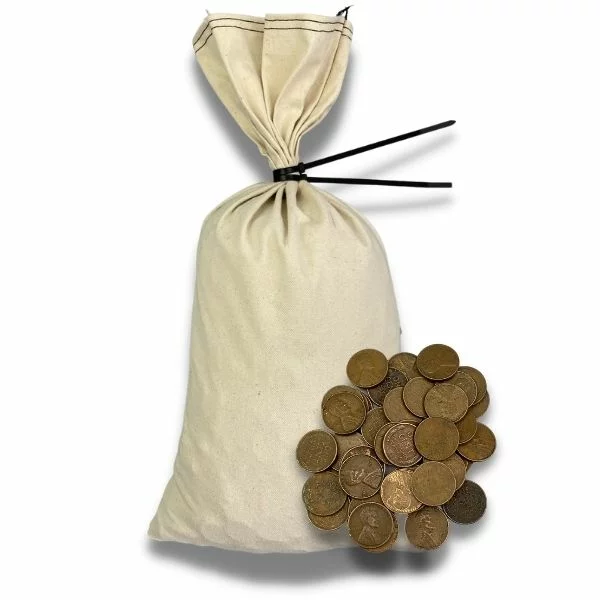
Some 95% copper pennies minted in the second half of the 20th century may contain more than a couple cents worth of copper, but factoring in the costs and effort of actually melting and selling that metal makes the venture seem far less profitable.
It’s Illegal to Scrap Pennies… For Now!
The most important thing preventing people from scrapping pennies is that it is illegal. The U.S. federal government prohibits melting down nickels or pennies, except under specific circumstances. Generally, it is against the law to melt one and five-cent U.S. coins in order to turn a profit by selling the metals they contain. Why is it illegal to melt down pennies? The U.S. government prohibits the for-profit melting of pennies in order to ensure that these coins remain in circulation.
Given that the melt value of certain U.S. pennies exceeds their face value, Americans would likely begin melting down any penny they could find if it weren’t for this legal prohibition of scrapping one-cent pieces. But since the primary motivation behind the ban on scrapping pennies is to keep enough in circulation, this could change if the government removes these coins from circulation.
The Uncertain Future of the American Penny
President Donald Trump and Elon Musk, head of the newly-created Department of Government Efficiency (DOGE), have suggested eliminating the U.S. penny from circulation. The coin costs 3.7 cents to produce and is only worth one cent, making it one of the U.S. Mint’s most unprofitable products. As part of the Trump administration’s cost-cutting efforts, the U.S. leader instructed the Treasury to stop minting the coin in February 2025.
It is yet unclear whether the President of the United States – or the head of the treasury – have the ability to unilaterally eliminate a coin from production/circulation. Some legal experts believe that the Treasury has a degree of latitude in discontinuing certain denominations, while others contend that only Congress can make that decision.
In any case, the argument for eliminating the penny is nothing new. Former President Barack Obama suggested removing the coin from circulation in 2013, the same year that Canada eliminated their own version of the coin. Economists have argued for years that the penny is unprofitable and, given the current rate of inflation globally, not necessary or useful for daily commerce.
The penny faces an uncertain future, but its critics have been vocal for quite some time.
Will Investors Hoard Copper Pennies?
Some coin collectors have speculated that collectors may begin hoarding copper pennies in anticipation of the coin’s elimination from circulation. While this is certainly possible, don’t expect a nationwide shortage of pre-1982 pennies anytime soon. The cost and labor required to melt down a penny would hardly be worth the meager amount of copper the process would yield, and it is likely that only very large scrapping operations could swing enough volume to make such a business model possible.
A degree of penny hoarding still seems likely in numismatic circles, though. Some collectors may grab up as many 2025 pennies as they can in anticipation that this may be the last year that the one-cent coin is made. This hoarding would probably be limited to error cents, proofs, or coins in exceptionally good condition, though, so don’t expect a major 2025 cent shortage.
Final Thoughts: Here’s What a Penny is Made Of
Modern pennies contain very little actual copper, clocking in at 2.5% copper and 97.5% zinc. But for a period of time in the United States, the iconic one-cent piece was made primarily using the industrially useful and moderately valuable copper bullion. On this page, we covered the compositional history of the one-cent piece, which was first produced in 1793. In 2025, the coin appears to be a highly endangered species – and only time will tell what the next generation of penny will look like… if it exists at all!
You might also be interested in:


About The Author

Michael Roets
With over six years of experience reporting on precious metals, Michael Roets covers market news, buying guides, and commentary for Hero Bullion.