
What is Coin Roll Hunting (CRH)?

At a Glance:
-
- Coin roll hunting (CRH) refers to buying and searching through bags or rolls of circulated coins.
- Coin roll hunters usually look for silver coins, proof coins, or coins with rare valuable errors.
- On this page, learn the basics of coin roll hunting as a hobby – or a way to make some extra cash.
What is Coin Roll Hunting?
Many U.S. coins meant for circulation were minted with 90% pure silver until the end of 1964. Even today, you might find a genuine silver quarter, dime, half dollar, or dollar in your change after paying with cash at a restaurant or store. This isn’t very common, though, and most coins you receive from day to day contain no actual precious metals. If you’re committed to finding silver, proof, or error coins in your change, you may want to go straight to the source – your bank!
Coin roll hunting (CRH) is a hobby that involves buying and searching through rolls of circulated coins. Coin roll hunters may search for a variety of different coins, but the usual targets are silver coins, coins with rare errors, key date coins, and proofs. Since most banks will sell customers rolls of coins for face value, coin roll hunting can be a fun – and potentially profitable – hobby. Even considering how uncommon it is to find genuine 90% silver coins in circulation, the thrill of opening and searching through a roll of coins can be extremely rewarding for collectors with enough patience.
On this page, we’re taking a closer look at coin roll hunting, a growing hobby that’s helping Americans expand their coin collections and search for hidden gems in circulating coinage.
Coin Hunting 101: What is it and How Do You Start?
Although some coin roll hunters spend tens of thousands of dollars on coin rolls per year, getting started with the hobby can be both easy and affordable. Your bank will usually sell you rolls of quarters, dimes, or other circulated coins for face value. As coin collectors already know, many U.S. coins can be worth quite a bit more than face value. Even if you only have $5 to spend, a roll of quarters or dimes can be fun to sort through. Who knows – you might even find a couple valuable silver quarters!
In other words, getting started coin roll hunting doesn’t require a huge investment. Your first step as a new coin roll hunter is always to find your hunting grounds!
Where to Buy Coin Rolls to Search
Almost all U.S. banks will sell rolls of coins to their customers. Usually, you’ll need an account at a bank in order to purchase coin rolls from it. Not all banks offer every denomination in the form of coin rolls, and the rolls you have access to may depend on your bank’s current inventory. To find a bank to buy coin rolls from, try calling around to your local banks and see which ones are willing to fulfill your requests for fresh coin rolls.
When you begin coin roll hunting, remember that your reputation with a bank is foundational to your success. Being kind to bank tellers and courteous to other employees is a great way to make them want to work with you in the future. Additionally, consider doing at least some business with the bank that’s unrelated to coin roll hunting. After all, banks are there to make money – they might not want to work with someone who only comes in to buy their coins for face value!
Searching Coin Rolls – What To Look For
Not all coin roll hunters have the same priorities when looking through coins, but there are a few different types of coins that every new hunter should keep an eye out for.
What should you look for when coin roll hunting? In general, the following categories of coins can be worth more than their face value:
- Proof Coins. The U.S. Mint often produces a certain number of coins with a special proof finish. These coins occasionally end up in circulation, at which point they can be found in coin rolls from your bank. Most proof coins aren’t worth a ton of money, but they almost always sell for more than just face value.
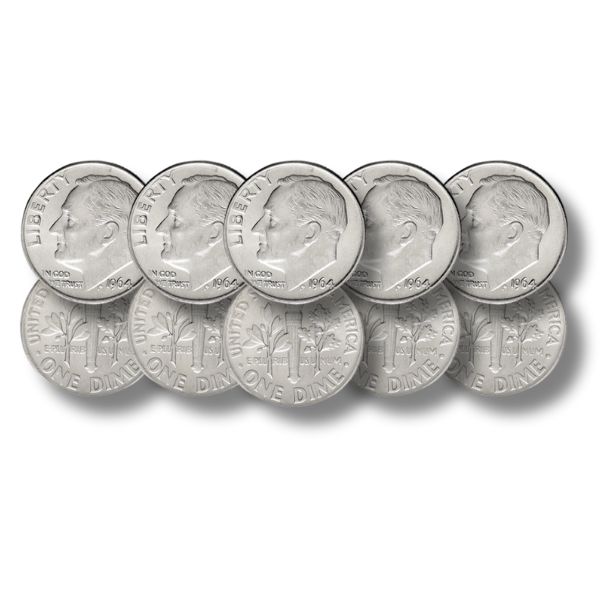
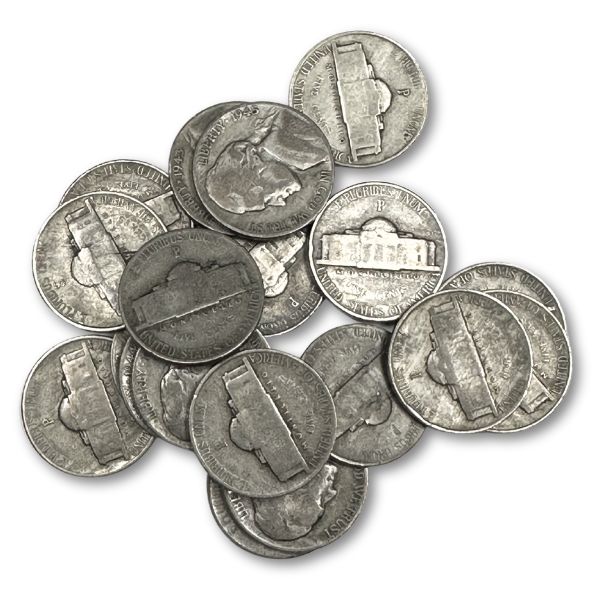
- Silver Coins. U.S. dimes, quarters, half dollars, and dollars minted in 1964 or earlier contain 90% pure silver. These coins sell for at least their silver melt value, making them worth quite a bit more than face value. Coin roll hunters often look for these valuable silver coins when searching through rolls of coins, and successful coin roll hunters can take home a tidy profit by selling the silver they find!
- Key Dates. Key date coins were minted in limited numbers. To find a key date coin, look at both the coin’s year and mint mark. Cross-referencing your coin against a key date guide online can be a good way to identify how many of that particular coin were minted in that year and mint. Coin roll hunters sometimes find key dates, some of which are worth thousands of dollars!
- Error Coins. Mint-made error coins are highly collectible and are almost always worth more than face and melt value. Savvy coin roll hunters may search for rare error coins to make a profit while looking through coin rolls.
Ultimately, though, coin roll hunters are free to look for whichever coins they want. Some coin collectors do coin roll hunting to fill gaps in their year and mint mark collections, and others ignore everything except for silver coins they want. That’s part of the fun of coin roll hunting – you can search for whatever you like to collect!

Where To Sell Searched Coin Rolls
After you’ve picked through a coin roll and chosen the coins you want to keep, it’s time to go get your money back! Since coin rolls are usually sold by banks for face value, you’ll receive face value for each of your coins when you bring them back to a local bank. This is part of what makes coin roll hunting such an attractive hobby. The hobby is relatively inexpensive, since you’re able to sell the coins you don’t want for the same price you paid to buy them!
There are a couple of things you need to remember when selling your searched coin rolls back to the bank, though. Coin roll hunting is a great hobby, but failing to exercise courtesy when buying or returning your coins is a great way to get banned from doing business with a local bank.
Namely, make sure that you properly reroll your coins if you’re returning them in the roll. If you take a “keeper” out of the roll, be sure to replace it with a coin of the same denomination. Some unscrupulous coin roll hunters may replace a valuable dime with a penny and return the roll to their bank. Not only is this small profit not worth the risk, but it’s also a good way to get the bank to not want to work with you anymore. Also, another coin roll hunter may be disappointed to find out that their new roll is incomplete.
Another good piece of advice for new coin collectors is to look for a dump bank.

“Dump” Banks Explained
Coin roll hunters generally work with two or more banks. One bank is for buying coins, and the other is what’s called a “dump bank.” This term may seem rude, but it’s perfectly common for coin roll hunters to speak lovingly about their dump banks. What is a dump bank? A dump bank is a bank where coin roll hunters deposit the coins they do not want after searching through one or several rolls of coins.
Coin roll hunters use dump banks for two main reasons.
First, depositing your unwanted coins at the same bank where you bought them is a quick way to annoy your bank’s staff. This is especially true for coin roll hunters who deal in large volumes of searched coins. Banks may get frustrated or “soft ban” coin roll hunters who routinely deposit their undesirable coins back after searching through the rolls. Remember, the last thing a coin roll hunter wants is to ruin his/her relationships with local banks.
The second reason why you should be using a dump bank is more practical. Finding a dump bank prevents coin roll hunters from accidentally receiving the same coins that they recently deposited. If you bring back a roll of pennies you’ve searched to the same bank you bought it from, you might end up getting those same coins the next time you buy a penny roll. This isn’t just annoying – it’s a waste of your time!
Coin roll hunting is a rewarding and incredibly affordable hobby, so be sure to take the time to find a dump bank for when you want to cash-in on your undesired coins. Your bank, fellow coin roll hunters, and even yourself will thank you for this common courtesy!
How Profitable is Coin Roll Hunting?
Many new coin roll hunters wonder if the hobby is a good way to make money. It is true that you can make money coin roll hunting, but don’t plan to quit your day job any time soon. Valuable key date, error, or silver coins are uncommon, and some coin roll hunters may search through thousands of coins before finding a single one worth keeping or selling.
You should also keep in mind that your time is valuable. While coin roll hunting may seem like free money, the time you spend buying, transporting, and searching through coin rolls needs to be accounted for in your profit/loss assessment. Most coin roll hunters use coin roll hunting as a hobby – not as a money-making business.
Still, the low overhead and enjoyment of coin roll hunting can make the hobby quite rewarding for new or seasoned coin collectors.
Final Thoughts: Is Coin Roll Hunting Your New Hobby?
Coin roll hunting, the process of buying coin rolls from banks and searching them for rare or valuable circulating coins, is a popular hobby enjoyed by many Americans. Since banks generally sell coin rolls for face value and other banks will buy these coins for the same price, coin roll hunting is a great choice for collectors who want to begin investing in silver, rare coins, or error coins without spending a lot of money.
Are you ready to get out there and start coin roll hunting?
You might also be interested in:


About The Author

Michael Roets
With over six years of experience reporting on precious metals, Michael Roets covers market news, buying guides, and commentary for Hero Bullion.