
How to Identify Proof Coins

At a Glance:
-
- A proof coin features a mirrorlike background and (usually) a frosted effect on its designs.
- Proof coins can be easy to spot, but some circulating proof coins are trickier to identify.
- On this page, learn more about how to identify (and buy) proof coins.
How to Identify Proof Coins
If you’ve ever searched for gold or silver coins, you’ve probably seen a proof coin. Proof coins are usually more valuable than regular, or “business strike” coins, and they’re highly popular with collectors. A proof coin is created by polishing the field of a coin, which is the part of its face with no designs.
While silver and gold proofs are easy to spot, coins made out of copper, aluminum, or other inexpensive metals can also be struck as proofs and can be trickier to identify. Some proof copper pennies, such as proofs from the Indian Head Cent series, may be difficult to distinguish from their business strike counterparts.
On this page, you’ll learn more about how to identify proof coins, a brief history of proof coinage, and more.
What is a Proof Coin?
To understand proof coins, you’ll need to know at least a little bit about the parts of a coin. The face of a coin is comprised of two main parts, the relief and the field. The relief refers to the part of a coin that is raised above its surface, typically its artwork. The field is the part of a coin that constitutes the background.
On a proof coin, the field behind the coin’s designs is polished, giving them a shinier and more reflective appearance than you’ll find on business strike coins. Modern proof coins also often feature a frosting effect on the coin’s relief, or designs, making them stand out compared to the reflective field. Proof coins are typically limited in mintage, although modern proof coins in the U.S. are often minted in higher numbers than older proofs.
A Brief History of Proof Coinage
Proof coinage has evolved over the past several hundred years. The first-ever proof coins were minted in Europe by the Paris Mint, who produced the coins for kings, nobles, and dignitaries. The U.S. Mint produced its first proof coins in 1817, but these coins were primarily used to test dies or for archival purposes.
As coin collecting grew in popularity, countries like the United States eventually began producing proof coins in higher quantities for collectors. Even today, the U.S. Mint regularly sells affordable proof sets of circulating coins like the penny, nickel, dime, quarter, and half dollar.
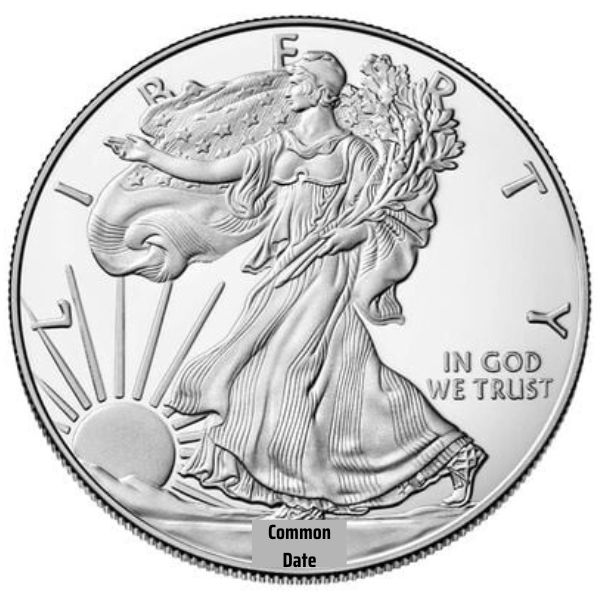
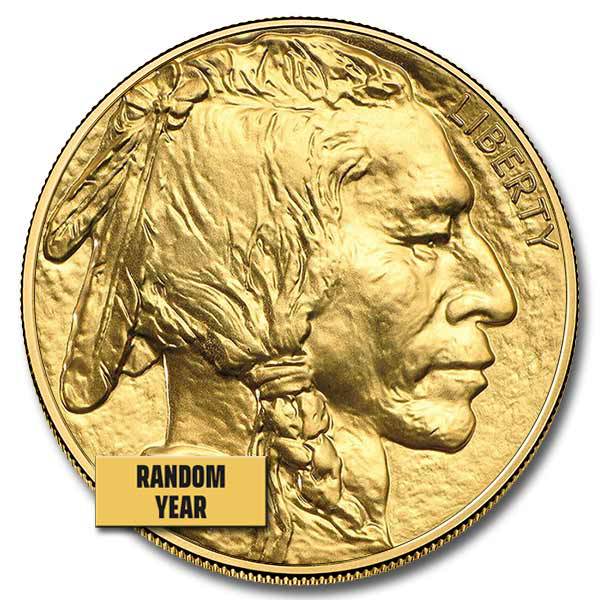
Many mints today produce a limited number of proof editions for their most popular bullion coins. Proof versions of the American Silver Eagle, American Gold Buffalo, Canadian Silver Maple Leaf, and other notable bullion coins are regularly minted in limited quantities today.
How to Spot a Proof Coin
Spotting a proof bullion coin is usually a simple process. Unlike regular business strike coins, proof coins often feature a polished, almost mirrorlike field and a frosted effect on the relief, or design. The strike on a proof coin should also be extremely sharp, and the coin may have cleaner, clearer ridges and edges.
Identifying proofs among earlier U.S. coins can be a bigger challenge, especially if you’re dealing with an early copper coin. U.S. proof coinage was sporadic throughout the 1800s, and methods for creating consistent proofs were constantly changing as new technologies and strategies were developed.
Still, the easiest way to identify a proof coin is to look at the quality of the strike and the finish of the field. Even the earliest U.S. proof coins feature a degree of mint polishing on the fields, and the special attention paid by mint workers to proof coins means that most proofs will have a far more distinguished strike quality compared to normal coins of the same series and year.
Most modern proof coins in the United States are minted at the San Francisco Mint. Depending on the coin you’re looking at, its mint mark could confirm or deny its status as a genuine proof. If you’re in doubt, be sure to check your coin against examples of graded proof coins from PCGS or NGC.
Proof vs. Reverse Proof Coins
As the name suggests, reverse proof coins are designed to be the exact opposite of their proof counterparts. While proof coins typically feature frosted designs and polished, mirror-like fields, reverse proof coins are minted with frosted fields and mirror-like reliefs, or designs.
Reverse proofs are usually minted in lower numbers than proof coins of the same series, making them quite valuable to investors and collectors. The Mexican Mint regularly mints Reverse Proof Mexican Silver Libertads, a series which has garnered a feverous following among some collectors.

What are Cameo (CAM) and Deep Cameo (DCAM) Proof Coins?
In coinage, the term cameo refers primarily to the degree of contrast between the finishes of a coin’s relief (designs) and fields (backgrounds). On deep cameo proof coins, this difference is heightened compared to standard cameo proofs. A DCAM (deep cameo) coin features a clearer frosting effect on the relief and a more significant mirrorlike finish on the field, creating a great degree of contrast between the coin’s design elements.
Spotting a DCAM proof coin can be tricky and may take some practice. Many deep cameo proof or reverse proof coins are graded because of their rarity and value, so be sure to look for the DCAM label if your coin has been certified by a grading company like PCGS or NGC.
Are Proof Coins Valuable?
New coin collectors often believe that all proof coins are rare and valuable. While proof coins are typically limited in mintage compared to business strikes, some modern coins are minted in high quantities and are not considered particularly valuable.
Take circulating U.S. coins, for example. The U.S. Mint has produced proof sets of circulating coins since 1936, with proof set mintages ballooning to the millions by the 1960s. Today, the U.S. Mint produces hundreds of thousands of mint proof sets per year, making them not particularly valuable.
However, bullion proof coins tend to carry a hefty premium over spot price, making them quite valuable. The U.S. Mint produces a limited number of proof bullion coins per year, so demand for these proofs is always relatively high.
Even more valuable than bullion proof coins are old U.S. proofs. Proofs for certain circulating U.S. coins, such as the Indian Head Penny, were so limited in mintage that they sell for thousands of dollars in moderate condition. As a general rule of thumb, the most valuable proof coins come from coins that are already limited in mintage, which makes the limited number of proofs produced even rarer.
Are Proof Coins a Good Investment?
If you’re a rare coin collector or precious metal investor, proof coins can be great for adding a bit more diversity to your portfolio. Proof coins are rarer and usually more valuable than regular strike coins, and the premiums they carry over melt value can add considerable resale value to your collection.
However, collecting proof coins adds a new dimension to your portfolio, so you’ll want to take some time to read up on which proof coins are valuable and popular… and which are not. Remember, plenty of U.S. proof coins are not especially valuable, and even some bullion proof coins command only a minimal premium over melt value. The last thing you want is to overpay for the proof label when buying a common coin, and you wouldn’t be the first collector to fall for that trick!
Final Thoughts: Identifying Proof Coins
A proof coin is a coin that has been specially treated by its mint to have an especially clean strike, a mirror-like field, and usually a frosted effect on its relief. Reverse proofs are the opposite and feature a mirrorlike field with a frosted background.
Proof coins are often limited in mintage compared to regular strikes, and they can be quite valuable, depending on the coin’s rarity and popularity. To spot a proof coin in the wild, look closely at both the designs (relief) and the background (field).
You might also be interested in:


About The Author

Michael Roets
With over six years of experience reporting on precious metals, Michael Roets covers market news, buying guides, and commentary for Hero Bullion.