
How (and When) to Get Your Coins Professionally Graded

At a Glance:
-
- Coin grading can be a great way to increase the market value of your rare coins.
- Not all coins are worth grading, though, since the price of having coins graded can be high.
- Knowing which coins are worth grading can help you make the most of your collection.
- On this page, learn more about how (and when) to have your coins professionally graded.
How (and When) to Get Your Coins Professionally Graded
If you’re a rare coin collector, you have likely considered having your coins professionally graded. Having your coins graded and certified by a reputable grading company can verify their authenticity and make them more valuable to other collectors. However, not all coins are worth grading. Whether you’re a new or an experienced coin collector, learning how and when to get your coins professionally graded is important.
Coin grading is not a free service, so it’s important that collectors understand which coins are worth having professionally graded and which ones are not. Four factors can help coin collectors determine whether it might be worth paying to have their rare coins professionally graded:
- Your coin’s potential value
- The cost of grading
- Your coin’s estimated grade
- Personal reasons for grading your coins
On this page, you’ll learn the ins and outs of how (and when) to get your coins professionally graded.
What is Coin Grading?
Coin grading is a process used to determine the condition of a coin. In the modern era, coins are typically graded using the Sheldon scale. Under this grading scale, rare coins are assigned a rating on a scale of 1-70, with 1 representing a coin that is highly circulated and worn-down and 70 representing a coin that is in perfect condition.
While it is possible to grade coins yourself at home, most rare coin collectors opt to have their rare coins professionally graded. Reputable grading companies, such as the Professional Coin Grading Service (PCGS) and the Numismatic Guaranty Company (NGC), employ experienced industry professionals called numismatists to authenticate, certify, and grade rare coins.
Having a rare coin professionally graded can increase its value and appeal to collectors, and most extremely valuable coins are exclusively sold graded in secure cases called coin slabs.
Grading Coins at Home vs. Professional Grading Services
Most rare coin collectors work with professional grading companies to have their coins assessed, graded, and certified. Although this is the industry standard for rare and valuable coins, you may not want to ship off all of your rare coins to a professional coin grading company like PCGS or NGC.
Coin grading can be an expensive process. When you pay for a coin to be professionally graded, you’re required to pay for both the coin grading itself and shipping, which can be pricey. If you’re dealing with coins that are likely worth less than the cost of having them professionally graded, grading your coin at home can be a good option.
Should you grade your coins at home or have them professionally graded? Paying to have coins professionally graded is recommended if you’re dealing with an extremely rare coin, you believe it might receive a high grade to justify the cost of grading, or if you want to have the coin certified for personal or value-oriented reasons.
Alternatively, learning how to grade your coins at home can help you determine their approximate values. While your amateur grade won’t carry the same weight as a professional’s opinion, it can give you a general idea of how much your coin could be worth.

When Should You Get Your Coins Graded?
Figuring out whether or not a coin is worth grading can actually be a complicated process. Because having coins professionally graded can be an expensive process, most rare coins are sold raw, or ungraded. That being said, certain coins are valuable enough or appear to be in excellent enough condition to justify paying the cost of grading.
Factors to Consider
Four main factors can help you decide whether or not your rare coin is worth sending off to a professional coin grading company:
- Your coin’s potential value
- The cost of having your coin graded
- Your coin’s estimated condition
- Personal reasons for having your coins professionally graded
Below, we’ll take a closer look at how each of these factors can contribute to the equation when you’re trying to decide whether or not to send your coin off to a grading company.
1. Your Coin’s Potential Value
The potential value of your coin is one of the most important things to consider before you pay to have it professionally graded. Some coins are so common that they are not worth the cost of grading, regardless of condition. Other coins are rare enough that they’re almost always worth grading, since even low-grade specimens are worth more than the cost of having them professionally graded.
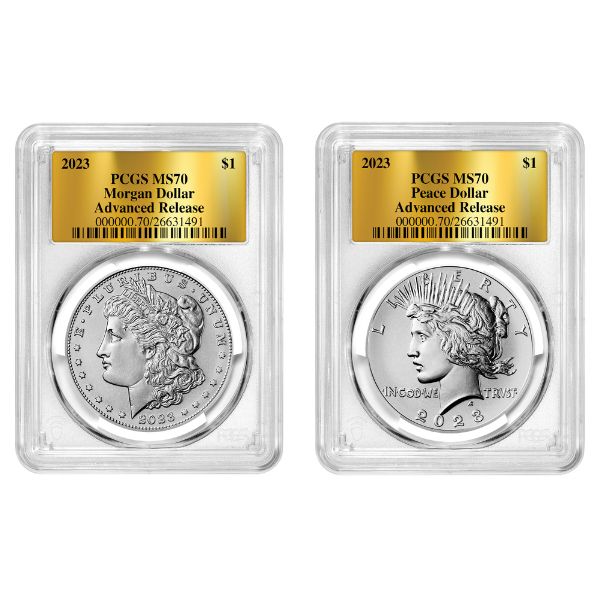
Most coins fall into the middle of this spectrum. Before paying to have your coin professionally graded, consider its potential value in all grade ranges. Typically, the best coins to have graded are those that see significant value jumps from one grade range to another. If a coin seems like it may grade MS60 or higher and could be worth hundreds or thousands more in that grade range, it may be worth paying to have it graded.
2. Your Coin’s Estimated Condition
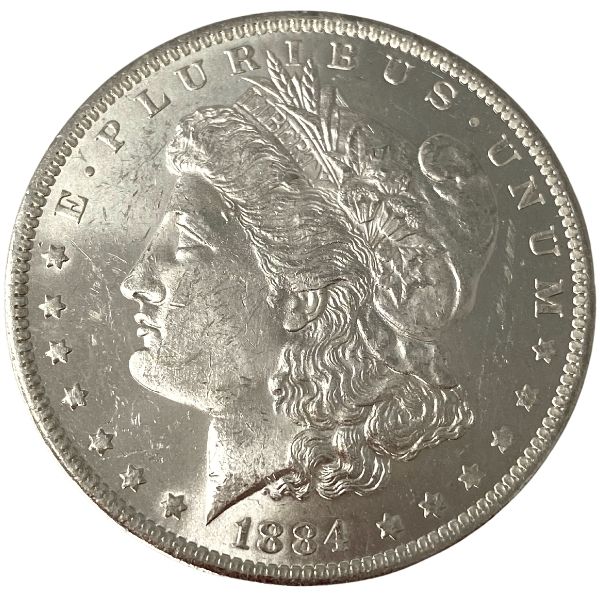
The estimated condition of your coin is another factor to consider before you shell out money to have it graded. The vast majority of raw, ungraded coins are either ungradable or will grade as circulated. On coins like these, it’s unlikely that the grade you receive back will be enough to justify the cost of having it professionally graded.
This is one of the reasons why learning the basics of at-home coin grading is so important. Career coin collectors and dealers are able to reliably predict the approximate grade that their coin may receive before paying to have it professionally evaluated. Learning this process can save you thousands of dollars in coin grading submission fees.
3. The Cost of Having Your Coin Graded
Having your coins professionally graded isn’t free. Most grading companies charge for grading based on both the type of coin you have and its approximate value. The Professional Coin Grading Service (PCGS) will ask for the “declared value” when you submit your coin; this refers to the approximate market value of your coin.
The more expensive your coin is, the more you’ll pay to have it graded. At a very basic level, coin grading is a financial decision for collectors. If the potential value that having a coin graded is higher than the cost of submission, grading may be worth it. But if your coin isn’t worth more than the price of grading, even in perfect condition, then grading could be a waste of money.

4. Personal Reasons to Have Coins Professionally Graded
While paying to have a circulated, common coin graded is not a financially sound decision, there are many reasons why a collector would like to have their coins professionally certified. Some collectors view their coins as long-term investments, and having a newish coin graded can make it more valuable decades from now, especially as the population of that coin in higher grades begins to decline.
Other coin collectors may view professional certification and grading as a way to protect and safeguard their favorite coins. If your coin is a family heirloom, for example, having it encapsulated and certified can be a great way to honor your family’s legacy while also protecting your coin from damage.
At the end of the day, the way you collect is up to you. If you want to have your coins professionally graded for personal or sentimental reasons, go for it!
How to Get Coins Graded
So, you’ve decided to have your coin or coins professionally graded. What’s next? The next step is to follow through with shipping your coin off to a reputable coin grading company. Remember, not all coin grading companies are considered reputable among other coin collectors. ANACS, PCGS, and NGC are just a few of the most respected grading companies in the rare coin industry.
Once you’ve decided which company you’d like to grade your coins, it’s time to prepare for the grading process. While the exact requirements for submitting coins vary from grading service to grading service, the general process usually includes these steps:
- Prepare your coins and pay for the grading service
- Prepare and package your coins for shipment
- Follow shipping or drop-off instructions
- Wait for your coins to be graded
Below, we’ll take a closer look at each of the main steps you’ll need to follow in order to have your coins professionally graded.
1. Select Your Coins and Pay for the Grading Service
The first step in having coins professionally graded is to select your coins and pay for the grading service. Most grading companies have tiers of pricing that depend on the approximate market value of your coin, so you’ll need to have a decent idea of how much your coin is worth before submitting it to grading.
You can use online coin value guides to determine the approximate value of your coin or coins. When you fill out your submission document, you’ll be asked to describe the coin’s name, approximate value, and other notable features. All of these details can impact the total cost of having your coin professionally graded, so make sure to do a bit of research during this step of the process.

2. Prepare and Package Your Coins
After you’ve selected your coins and paid for the professional grading service, it’s time to prepare and package them for shipment. Most grading services, including PCGS, require that coins be packaged securely in thin, plastic sleeves commonly called coin flips. If there are other requirements imposed by your grading company, these should be clearly described when you prepare to submit your coins for grading.
These coin preparation and packaging requirements vary from company to company. Most grading companies make these shipping and packaging instructions available online, which can streamline the packaging and preparation process.
3. Follow Shipping or Drop-Off Instructions
Once you’ve prepared and packaged your coins to the specifications of your grading company, it’s time to either ship or drop off your coins for grading. Remember, you’re usually responsible for the shipping costs during the coin grading process. Make sure that you’ve paid all postage fees when you prepare to ship your coins off to a professional grading company.
Occasionally, coin grading companies will offer special in-person coin drop-off services. PCGS actually offered an in-person drop-off service at the American Numismatic Association World’s Fair of Money in 2025. Events like this one can be a great opportunity to save some money while having your coins graded, since you won’t pay shipping fees when dropping a coin off for grading in person.
But in most cases, you’ll have to mail your coin off to the grading company of your choice. Be sure to follow all shipping instructions provided by your coin grading company; these instructions are usually available online when you register your coin for the grading service.
4. Wait For Your Coins to Be Graded
Now, all there’s left to do is wait! Grading companies typically offer an average turnaround time, which can vary based on the approximate value of your coin and whether or not you paid for expedited service. Companies like PCGS and NGC grade hundreds of thousands of coins per year, so it can take some time for your coin to make it back to you.
Your coin will be graded and packaged securely in a tamper-proof slab that describes both the coin and its condition/grade.
Tip: Not All Coins Are Worth Grading
Many new coin collectors believe that having their coin graded will increase its value. While this is sort of true, the reality is a bit more complicated. Coins are usually worth more if they’ve been professionally graded, but the cost of grading is often higher than the value difference between an ungraded and a graded coin, especially if your coin is common or in poor condition.
By following some of the tips on this page, you can feel more confident when you decide to pay for a professional coin grading service.
Final Thoughts: How and When to Have Your Coins Professionally Graded
Having your coins graded can help you get the most out of your collection. Professionally graded coins are usually worth more and easier to sell to other collectors, and the protection and authentication offered by grading services can go a long way in securing your valuable rare coins.
That being said, not all rare coins are worth grading. Understanding both how and when to have your coins professionally graded is an essential skill that all coin collectors should know.
You might also be interested in:


About The Author

Michael Roets
With over six years of experience reporting on precious metals, Michael Roets covers market news, buying guides, and commentary for Hero Bullion.