
What is a Gold Shortage – And Are We Living in One?

At a Glance:
-
- Some analysts have suggested that the world is set to experience a gold shortage.
- A gold shortage may be disastrous for the world economy, but it’s unlikely to happen soon.
- On this page, learn more about historical gold shortages – and whether or not we may be in one.
What is a Gold Shortage?
Earlier this week, the Financial Times reported that Great Britain may be facing a major gold shortage. According to the newspaper, New York traders are holding onto billions of dollars in gold because of fears that President Donald Trump’s tariffs may include the shiny precious metal. British investors say that they’re now being asked to wait multiple weeks before they can withdraw their gold bullion from the Bank of England.
What is a gold shortage? Like the name suggests, a gold shortage implies the widescale restriction of the global supply of gold. Throughout human history, several major gold shortages have occurred – often with disastrous consequences for both local and global economies.
Is the world facing a gold shortage? Although it may be too early to call this a true gold shortage, the situation gives investors a couple of insights into what a true gold shortage looks like. Gold shortages can vary in significance and scale, so the London gold shortage is only a very small example of how a true shortage of the precious metal could impact global markets.
On this page, learn everything investors need to know about what a gold shortage is, the biggest gold shortage in history, and how to spot a genuine bullion deficit.
Defining a Gold Shortage
Most gold shortages are localized events. The global supply of gold in the modern era is massive. Estimates place the total global supply of mined gold at around 244,000 metric tons, which is usually more than enough gold to go around. As a result, the market typically sees localized gold shortages that impact specific markets, regions, or even entire countries. In the case of Great Britain, experts say that a localized gold shortage in the nation is being caused by investor fears over how President Trump’s tariffs may impact the precious metal.
What causes a gold shortage? Gold shortages are generally caused by supply chain or mining disruptions, tariffs and trade wars, and occasionally full-scale geopolitical conflict/war. In the modern era, the worldwide distribution of major gold mines is relatively diverse. Most countries produce a substantial amount of gold, which helps to mitigate the risk of a true global shortage of bullion.
Spikes in demand for gold can also lead to perceived shortages.
The type of demand spike necessary to spark a gold shortage sometimes involves heightened safe haven demand, which means that a high number of investors want to buy precious metals to hedge against geopolitical uncertainty, economic instability, or inflation.
Demand for gold could also lead to a gold shortage if the industries where the metal is considered a core commodity enter a period of booming growth. This has happened in the past with other precious metals, including platinum, palladium, and silver.
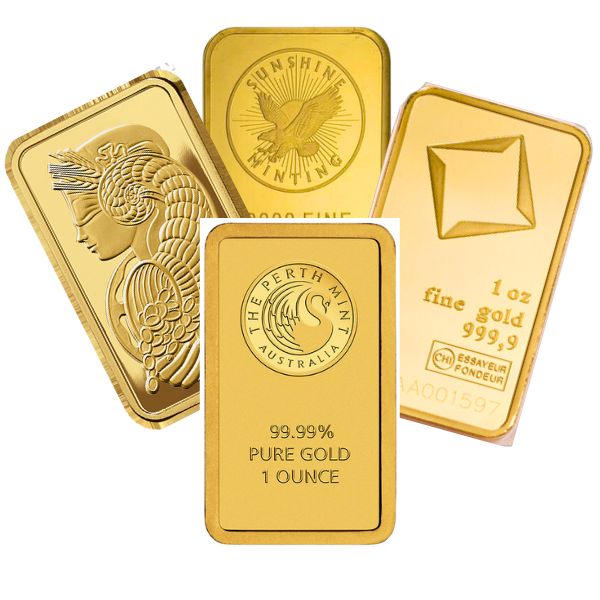
Examples of Bullion Shortages
These are two of the most significant bullion shortages in modern history:
- 2022 Palladium Shortages
- 1980s Silver Shortages
Palladium Prices in 2022 – An Example of Bullion Shortages
In March of 2022, Russia’s invasion of neighboring Ukraine led palladium to hit an all-time high of over $3,400 per troy ounce. Russia is the world’s largest producer of raw palladium, which is a key component used in the automotive sector. International outcry following the invasion sparked concerns that the war – and embargoes from other nations – would lead to a widespread shortage of palladium.
The embargoes did not end up materializing, but concerns regarding thee long-term supply of palladium bullion drove the metal to an all-time high as investors and automotive manufacturers rushed in a panic to buy as much of the metal as they could.

Silver Shortages in thee 1980s
The silver market experienced a significant supply shortage in the 1980s after the wealthy Hunt family attempted to corner the market by buying up as much silver as possible. The turn of events drove silver to its highest price ever and led to Silver Thursday, which was the largest single-day silver price crash in history.
At the peak of the Hunt family’s silver hoarding, the situation for American buyers got so bad that Tiffany’s, a popular jewelry company, took out an ad in the New York Times to admonish the billionaires for making silver jewelry – and particularly engagement rings – so expensive for average Americans to purchase. Silver prices eventually recovered to somewhat normal levels after a series of new exchange regulations caused the Hunt Brothers to lose billions of dollars.
The Great Bullion Famine
The global supply of gold is rarely diminished enough to cause meaningful shortages across large regions, but the concept is not unheard of. In fact, the “Great Bullion Famine” illustrates that a gold shortage isn’t just possible – it can be disastrous for the world economy.
The Great Bullion Famine refers to a period in which Europe experienced a severe shortage of precious metals during the 15th century. Contemporary historians from the time period believed that hoarding was responsible for the crisis. Modern scholars now speculate that the actual cause of the bullion shortage was that European countries were exporting too much gold and silver for their mining operations to keep up.
Although a modern gold shortage would be disastrous for the global economy, the situation was even worse during the bullion-backed era of European economics. Because most European economies in the 15th century featured currencies made with actual bullion, the Great Bullion Famine made it nearly impossible for many citizens to conduct trade. Barter took over in many European countries, with some citizens resorting to volatile commodities like spices in order to exchange goods and services.
Although the Great Bullion Famine led to recessions in nearly every European country, historians say that the metal shortage also motivated nations to explore the New World, including the land mass that we now know as North America.

Could Global Markets Experience a Gold Shortage?
While it isn’t impossible for the world to experience another major gold shortage, it is not particularly likely. There are a couple of reasons why a truly international gold shortage is unlikely to happen in the next few decades.
First, new mining technologies have made it possible for producers to extract an enormous amount of gold from the Earth. The circulating global supply of gold is around 244,000 metric tons, which is more than enough to go around. Because the global supply of gold is so high, and because this supply is generally more than enough to overcome demand, a modern gold shortage would require a catastrophic disruption to worldwide supply chains and mining operations.
Second, the impacts of a gold shortage in the modern era would be mitigated by the collapse of the gold standard. Part of what made the Great Bullion Famine so problematic for European economies is that their currencies were made using gold and silver. In the modern era, few countries actually use gold for circulating currencies, so a global shortage of the precious metal would not be nearly as dire as it was for European economies in the 15th century.
This doesn’t mean a gold shortage is impossible. Localized gold shortages are relatively common. In January of 2025, journalists reported that British investors were experiencing a gold shortage as traders braced for a series of tariffs from newly-elected President Donald Trump.
A gold shortage could also be possible if new technologies that use gold grow in popularity.

Final Thoughts – Are We In a Bullion Shortage?
A bullion shortage refers to a large-scale reduction in the available supply of gold. Inversely, we might also call something a gold shortage if demand for gold spikes to the point that it outstrips supply by a significant margin. The biggest gold shortage in human history was the Great Bullion Famine, which plagued European economies during the 15th century.
Although experts say that a localized shortage of gold in Great Britain is pushing gold prices higher this month, it’s important to remember that this is far from a major shortage.
You Might Also Be Interested in:


About The Author

Michael Roets
With over six years of experience reporting on precious metals, Michael Roets covers market news, buying guides, and commentary for Hero Bullion.