
Does Your Homeowners Insurance Cover Gold and Silver?

At a Glance:
-
- Your homeowners insurance likely covers gold and silver, but only a limited amount.
- Most insurers consider gold and silver bullion products as either money or precious metals.
- Depending on the size of your collection, you may need additional coverage to be protected.
- On this page, learn more about how homeowners insurance covers precious metals.
Does Your Homeowners Insurance Cover Gold and Silver?
Protecting your investments is an important part of purchasing gold, silver, and other precious metals. While most investors already know that securely storing your metals is essential, making sure that your metals are properly insured is a consideration that many new stackers forget.
Another mistake new investors often make is assuming that their precious metals are covered by their standard homeowners insurance. While most homeowners insurance plans will cover precious metals, this coverage is often very limited in monetary value.
So, does homeowners insurance cover gold and silver? Precious metals are typically covered in your homeowners insurance plan, but this coverage is often limited, with most carriers offering coverage amounts between $200 and $1,500. This means that investors with large collections of precious metals may opt to purchase additional coverage in order to ensure that their assets are secure.
On this page, you’ll learn more about whether your homeowners insurance plan covers gold, silver, and other precious metals.
Homeowners Insurance and Precious Metals
Generally speaking, homeowners insurance protects both your home and personal belongings in case of damage, destruction, theft, or other incidents. However, certain types of personal belongings in your home may be subject to strict coverage limits, and this can include precious metals like gold and silver.
Your homeowners insurance likely covers gold and silver, but with a couple of important caveats.
First, the classification of your precious metal investments matters when determining how they are covered. Most insurers classify bullion and currency separately from jewelry, watches, and other wearables, even if your wearables are made out of precious metals. Rare coins and other numismatic collectibles may be classified separately, and this can mean different payout caps.
Second, most homeowners insurance plans cap payouts for these types of personal property, and some exclude them from coverage entirely. Coverage amounts vary widely from insurer to insurer, with coverage caps typically falling within an average range of $200 to $1,500.
Will Homeowners Insurance Cover Stolen or Destroyed Gold and Silver?
Most homeowners insurance plans will payout for stolen or destroyed gold and silver products, but only to a certain extent. Coverage amounts can vary, with most payout maximums ranging from $200 to $1,500.
Given historically high gold and silver prices, the maximum payout limits that most homeowners insurance plans offer for gold and silver usually are insufficient for covering larger precious metal collections.
While low coverage limits may make it difficult for investors to properly insure their precious metals at home, there are steps you can take to keep your portfolio safe.
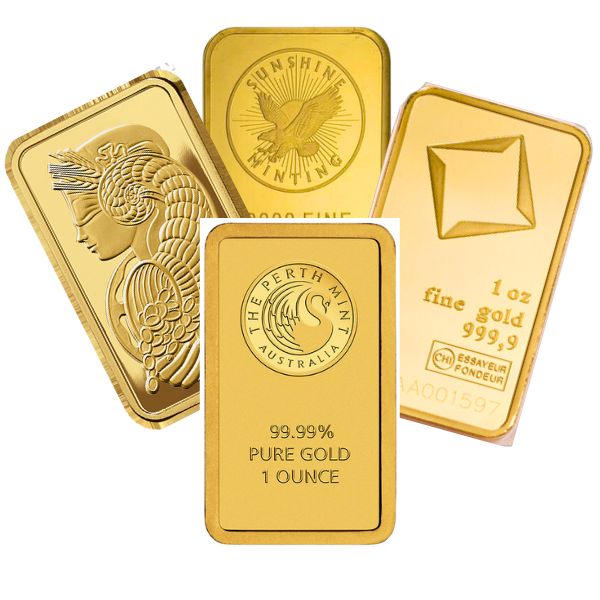
Securing Your Stack: How to Protect Gold and Silver in the Home
We’ve got some good news and some bad news.
The bad news is that most standard homeowners insurance plans are ineffective at protecting your average precious metals collection. Coverage limits for gold and silver are very low, and the high value of these metals means that you’re only minimally covered in the case of an accident, theft, or damage.
The good news is that you can take steps to protect your precious metals portfolio at home. While securing additional insurance coverage is never a bad move, the best way to keep your metals safe is to take preventative action.
Some of the best tips for protecting your gold and silver collection at home include:
- Buy a proper safe.
- Store your metals in the right place.
- Secure additional coverage if necessary.
- Practice security online.
- Transport new metals carefully.
Below, we’ll take a closer look at how each of these strategies can help you mitigate the risk of losing your collection of gold, silver, and other precious metals.
1. Buy a Proper Safe.
The first step in properly securing your collection of precious metals is to invest in a proper safe. The right safe for a precious metals portfolio varies based on the size of your collection, the value of the metals your portfolio contains, and your budget for a safe.
When it comes to the size of your safe, there are a few things for investors to consider. As you shop for a safe to store your precious metals, try to think about:
- The physical size of your portfolio;
- The value of your collection; and,
- Your budget for buying a safe.
When in doubt, we recommend opting for a larger safe than you need for two big reasons. First, your portfolio will likely grow over time, and nobody wants to have to keep buying new safes as their portfolio expands. Second, a safe that is too small becomes nearly useless when it comes to theft. Small safes can be picked up and carried away with ease, and you can assume that any would-be thief will likely target the safe first.
Regardless of what size safe you decide to buy, make sure that it’s fit to do the job. An ideal safe should be water-proof, fire-proof, and large enough to encompass your collection as it grows over time. While any kind of unlocking mechanism can work, don’t skimp on quality. Look for safes with high ratings and excellent reviews from verified customers.
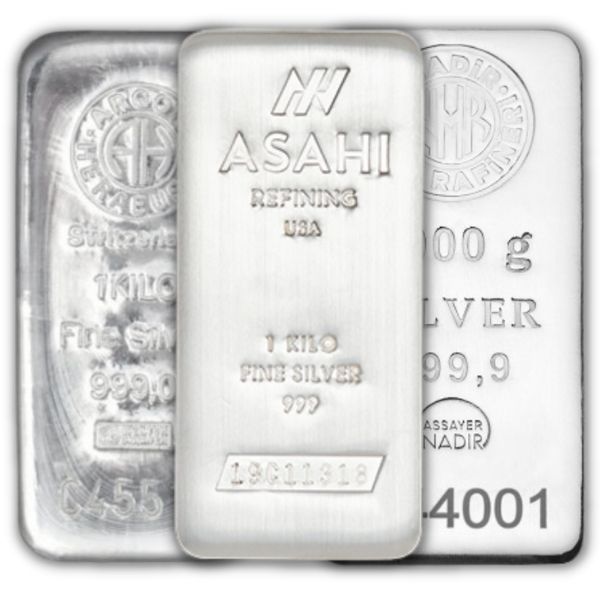
2. Store Your Metals in the Right Place.
Where in your home you store your precious metals is an underrated part of securing your collection.
Ideally, your precious metals should be hidden in either a large safe or an inconspicuous place. Even if your gold and silver are inside of a safe, consider placing your safe in an inconspicuous location with minimal foot traffic.
3. Secure Additional Coverage if Necessary.
Standard homeowners insurance plans tend to offer low payout limits for gold and silver, but it’s often possible for investors to secure additional coverage for their portfolios. Especially if you’re working with an especially large or valuable collection of precious metals, it may be worth purchasing additional coverage in order to protect your gold and silver.
In most cases, you can purchase an additional endorsement on your insurance plan to cover a higher monetary value for gold, silver, and other precious metals. Costs vary for additional coverage, so be sure to check with your insurance company to see what your added fees would look like.
Is extra coverage worth it for your precious metals portfolio? Ultimately, it depends on the value of your portfolio and the cost of purchasing additional coverage. While we may not recommend paying annually for additional coverage to insure $500 worth of silver, a collection worth several thousands of dollars is a different story entirely.
When in doubt, reach out to your homeowners insurance provider for more information about whether an additional endorsement is right for you and your precious metals collection.
4. Practice Security Online.
All too often in the digital age, we see stackers fail to practice information security when it comes to their precious metals. The value of your portfolio can rise considerably over time, and a diligent stacker may end up with tens of thousands of dollars (or more!) in gold, silver, and other precious metals accumulated over a long period of time.
We always caution investors to be careful about what information they put online. While it’s always fun to share pictures of your stack, show off new silver bars, or demo the new safe you’ve purchased, always be cautious to avoid giving out information that thieves could potentially use against you.
One good example is your package slip. When you order a precious metals product online, dealers often include a packing slip with your order number. This number, along with your address listed on the shipping container, provides a would-be thief with everything they’d need to attempt to steal from you. No good!
When you share pictures of precious metals online, try to avoid sharing any information that could be useful to bad actors. This means that pictures of your safe and its location in your home, your address on a shipping label, and the approximate timing of when you receive regular shipments are all no-goes for social media posting.
Keep yourself safe – pay attention to what you’re posting online!

5. Transport New Metals Carefully.
Another important part of keeping your precious metals collection safe occurs before it’s even in your home. Some investors have been buying gold and silver for so long that it can be easy to forget how valuable these assets truly are. When you transport your gold or silver from one location to another, whether it’s from the local coin shop to your home or from your current home to a new living space, you should exercise caution.
Stay cautious of your surroundings when transporting valuable precious metals, especially while leaving your vehicle during the drive home. If you’re transporting precious metals purchased abroad, you may have to declare your metals when crossing international borders, including at airports.
Paid Storage vs. Storing Bullion at Home: What’s the Better Option?
Storing precious metals at home is not the perfect solution for all investors. When your portfolio reaches a certain monetary value, holding all of that metal in your home can introduce unnecessary risk into your living space. Additionally, costs for adding additional insurance to cover your collection can be extreme, especially if you’re working with a very expensive portfolio of gold and silver.
Paid storage solutions can help ease your stress, cut down on insurance costs, and simplify the storage process for your entire portfolio. Many large mints and bullion dealers offer affordable storage options, and these providers can sometimes be cheaper than storing and insuring your precious metals at home.
Is paid storage the right solution for your growing precious metals portfolio? The answer to this question depends on several factors, including the cost of insuring your metals at home, the home security measures you already have in place, and the cost of storing your metals at a metals depository. Generally, we recommend that investors with a large enough portfolio that the cost of paid storage is less than the cost of full insurance coverage opt for paid storage.
At the end of the day, you choose your own risk exposure. Plenty of investors store their metals at home without purchasing additional coverage, and others choose to pay for professional storage at a mint-grade bullion depository. Depending on the size of your stack, your budget, and your insurance options, either option could be right for your situation.
Final Thoughts: Does Homeowners Insurance Cover Gold and Silver?
So, does your homeowners insurance plan cover gold and silver? Sort of. Most homeowners insurance plans cover destroyed or stolen gold and silver, but only for a minimal amount of monetary value (typically $2,500 or less).
While it is possible to purchase additional coverage to protect your precious metal holdings, we also recommend that investors take several additional steps to ensure that their assets are protected at home. These strategies include buying a sufficient safe, securing your metals in an inconspicuous location with minimal foot traffic, being cautious about what you share online about your gold and silver, and more.
The last thing any investor wants is to lose the gold, silver, and other precious metals they’ve worked for years to purchase. Do the work upfront to secure your portfolio – and enjoy your collection without stress!
You might also be interested in:


About The Author

Michael Roets
With over six years of experience reporting on precious metals, Michael Roets covers market news, buying guides, and commentary for Hero Bullion.