
5 Surprising Gold Products That Are NOT IRA Eligible

At a Glance:
-
- A gold IRA allows investors to save for retirement using gold and other precious metals.
- The IRS sets strict purity and labeling requirements for gold IRA contributions.
- Certain popular gold products are not IRA eligible because of their purity or other reasons.
- On this page, learn about 5 surprising gold products that are not IRA eligible.
5 Surprising Gold Products That Are NOT IRA Eligible
A gold Individual Retirement Account (IRA) is a specialized retirement account that allows investors to prepare for their financial futures using gold, silver, and other precious metals. Like a traditional IRA, contributing to a gold IRA is a tax-deferred way for investors to save money for retirement. But unlike the traditional IRA, your gold IRA must be self-directed and can include precious metal contributions.
The Internal Revenue Service (IRS) is responsible for determining which products are eligible for inclusion in both traditional and gold IRAs. Not all gold products are eligible for your gold IRA. In fact, two of the world’s most iconic gold coins, the South African Gold Krugerrand and the British Gold Sovereign, are not eligible for gold IRA contributions.
On this page, read about 5 surprising gold products that are not IRA eligible, as well as more information about how gold IRAs work, requirements for gold contributions, and more.
What is a Gold IRA?
A gold IRA, or Individual Retirement Account, is a type of self-directed IRA that allows investors to add gold coins and bars to their investment portfolios. Gold IRAs are popular among precious metal stackers, and the self-directed nature of a gold IRA gives investors more control over how they prepare for their golden years of retirement.
Opening a Gold IRA
To open a gold IRA, investors will need to first find a self-directed gold IRA custodian. A custodian is a specialist who is responsible for properly managing your retirement account, as well as storing the gold products that you choose to add to it over time. Not all custodians work with self-directed gold retirement accounts, so investors need to find custodians that specialize in this service.
After finding a qualified custodian, investors then fund their IRA using funds. When a gold IRA investor works with a licensed bullion dealer, their custodian will work closely with both the investor and the dealer to make sure that the IRA is funded with enough funds to cover the qualified purchase of gold, silver, or platinum.
Finally, investors can fill their IRA accounts with precious metals. It is not legal for investors to physically store their gold IRA products themselves. Instead, an investor’s custodian manages the storage of the precious metals in his or her gold retirement account.
Gold IRA Contribution Requirements
Not every gold product is IRA eligible. The IRS sets the requirements that determine which gold products are and are not approved as IRA contributions. For now, eligible products must meet the following purity requirements:
- Gold: 99.5% pure.
- Silver: 99.9% pure.
- Platinum: 99.95% pure.
There is one exception to the gold purity requirement set by the IRS for acceptable gold IRA contributions. The American Gold Eagle is the official gold bullion coin of the United States and is thus considered IRA eligible, despite its lower purity of 91.67%.
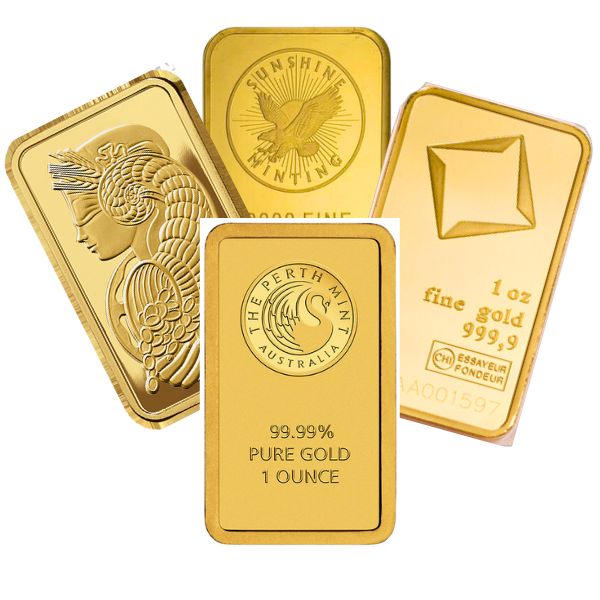
In addition to these purity requirements, the IRS requires that gold bars be stamped with specific weight markings, with the only exception to this rule being “good delivery” gold bars that meet standards used by stock exchanges.
Coins that are valued primarily for their numismatic value or collectability are also not considered IRA eligible. This means that rare collectible gold coins are not IRA eligible, even if they meet the minimum purity standards set by the IRS. The purpose of a gold IRA is to allow investors to save for retirement using precious metals – not rare collectible coins.
Finally, the IRS requires proof gold coins to be encapsulated before they are considered IRA eligible. Additionally, certain proof gold coins are only eligible for inclusion in a gold IRA if they include a certificate of authenticity (CoA).

5 Gold Products That Are NOT IRA Eligible
Understanding which products are eligible for inclusion in your gold IRA can be tricky, but we’re here to help. Below, we’re going to take a look at 5 surprising gold products that are NOT considered IRA eligible. These five products include:
- South African Gold Krugerrand Coins.
- Pre-1933 U.S. Gold Coins.
- British Gold Sovereign Coins.
- Certain Proof Gold Coins.
- Gold Bars Without Weight Markings.
Below, we’ll take a closer look at these five IRA-ineligible products, as well as why the Internal Revenue Service does not allow them to be included in standard gold IRAs.
1. South African Gold Krugerrand Coins
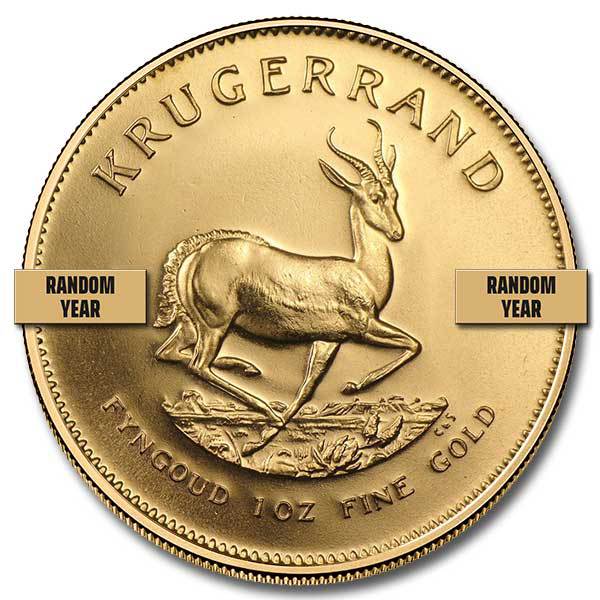
The South African Gold Krugerrand is not IRA eligible in the United States. The South African Gold Krugerrand was the world’s first gold bullion government-minted coin, and it once accounted for over 90% of global gold bullion coin sales. Today, the Gold Krugerrand is among the world’s most popular gold coins.
Despite its popularity, the Gold Krugerrand is not eligible for inclusion in your gold IRA. The Gold Krugerrand is ineligible for IRA inclusion because of its low purity. Gold IRA contributions must be 99.5% pure or purer, and the South African Gold Krugerrand is only 91.67% pure.
2. Pre-1933 U.S. Gold Coins
“Pre-1933 U.S. gold” refers to gold coins minted prior to the end of the gold standard in 1933. Before 1933, the U.S. Mint produced circulating coins using 90% pure gold bullion. Interestingly enough, pre-1933 U.S. gold coins are considered IRA ineligible for two main reasons.
First, pre-1933 U.S. gold coins are not eligible for IRA inclusion because they do not meet the purity minimum of 99.5%. U.S. circulating gold coins were minted with 90% pure gold, which means that they cannot be added to retirement accounts in the United States.
Pre-1933 U.S. gold coins are also often IRA ineligible because many of them carry numismatic value. While some pre-1933 U.S. gold coins are worth little more than their melt value, others sell for thousands of dollars more than their value in pure gold bullion. Because the IRS prohibits the inclusion of products valued primarily for their rarity (i.e. collectibles) in gold IRAs, pre-1933 U.S. gold coins are often not IRA eligible.
3. British Gold Sovereign Coins
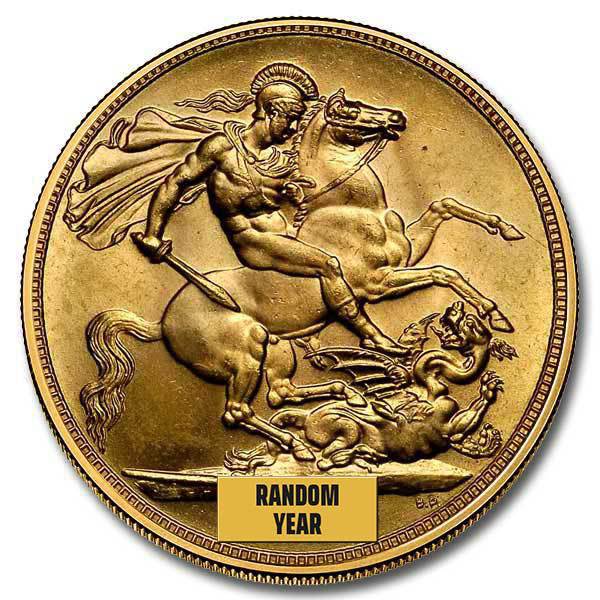
Like the South African Gold Krugerrand, the British Gold Sovereign is IRA ineligible because it fails to meet the minimum gold purity standards established by the IRS. Gold Sovereign coins are minted with 91.67% pure gold, so they are not pure enough to be added to a gold IRA in the United States.
4. Certain Proof Gold Coins
American proof gold coins, including the Proof American Gold Eagle and the Proof American Gold Buffalo, are always IRA eligible, provided that they meet the minimum condition requirements set by the IRS. Foreign proof coins are often not considered IRA eligible, since the IRS considers many of these coins to be collectibles – which are not eligible for inclusion in a gold IRA.
Certain foreign proof gold coins may be IRA eligible, but only if they meet certain additional requirements, such as including a certificate of authenticity (CoA). We recommend that gold IRA investors work with their licensed gold IRA custodians to ensure that their preferred proof gold coins are indeed eligible for IRA inclusion.
5. Gold Bars Without Weight Markings
Large gold bars that have been deemed “good delivery” are considered acceptable for settling trades on major stock exchanges. Good delivery gold bars are always IRA eligible, so long as they meet the minimum purity requirements set by the IRS.
Smaller gold bars, however, must be marked with their weights to be considered IRA eligible. Gold bars that do not include clear weight and purity markings are not eligible for inclusion in gold Individual Retirement Accounts. These products are few and far-between, but investors should know that not all gold bars can be added to a gold IRA.
Final Thoughts: Here’s 5 Gold Products That Are NOT IRA Eligible
A gold IRA is a type of retirement savings account that allows investors to prepare for their financial futures using gold, silver, and other precious metals. Opening a gold IRA is a popular choice for investors who want more control over the investments included in their retirement accounts, and a self-directed gold IRA offers a considerable amount of freedom compared to traditional IRA options.
Not all gold products are eligible for inclusion in a gold IRA, however. The IRS sets several requirements for which products are IRA eligible, including a minimum purity standard of 99.5% for all gold contributions, except for the American Gold Eagle. This means that products like the South African Gold Krugerrand, the British Gold Sovereign, and pre-1933 U.S. gold coins are not eligible for IRA inclusion.
If you have questions about which products are eligible for inclusion in your gold IRA, reach out to your gold IRA custodian or a licensed financial planner.
You might also be interested in:


About The Author

Michael Roets
Michael Roets is a writer and journalist for Hero Bullion. His work explores precious metals news, guides, and commentary.