
What Is a Restrike Coin?

At a Glance:
-
- “Restrike” coins are coins that were struck at a later date but with the same design as an original.
- Mints often do restrikes of popular or classic coins, which can become affordable collectibles.
- Investors should understand what a restrike is, since they’re usually less valuable than originals.
- On this page, learn more about what a restrike is, the difference between restrikes and fakes, and more.
What Is a Restrike Coin?
Whether you’re an ancient coin connoisseur or a pre-1933 gold stacker, you’ve probably come across the term “restrike.” A restrike is a type of genuine replica coin that features the original designs found on an older coin but is produced later by either the original mint or an authorized partner. Because restrikes are often far less valuable than genuine coins minted in their original periods, it is important that new collectors learn the difference between an original strike and a restrike.
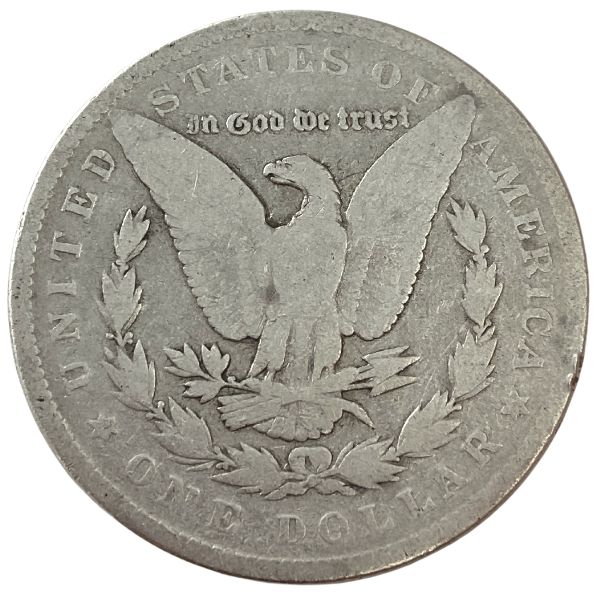
Although some coin collectors refer to restrikes as counterfeits, they’re not quite the same thing. Counterfeit coins are minted without the consent of the original mint. A mass-produced replica of the 1890-CC Morgan dollar, for example, would be a counterfeit. If the U.S. Mint chose to produce a CC Morgan dollar dated 1890 in 2025, however, this would be a restrike. In other words, the difference between a counterfeit and a restrike is that counterfeits are minted without the permission of the mint that originally produced the coin they replicate.
This doesn’t mean restrikes aren’t the subject of shady business practices, though. Coin dealers (and collectors) should be cognizant of which of their coins are restrikes and which are genuine coins from the original minting era featured on their dates. The value difference between a restrike and an original coin can be vast, so it is very important that dealers and buyers know which type of coin they’re dealing with.
On this page, learn a little bit about what a restrike is, how to spot a restrike, and whether these fascinating coins are worth the money.
Why Do Mints Restrike Coins?
Mints often restrike their most sought-after coins to give investors a chance to add the coin to their collection without paying the premiums associated with earlier coinage. By restriking a coin, mints can reintroduce it to the market at a significant discount to collectors. On the flip side, though, restrike coins are usually quite a bit less valuable than the original coins they seek to replicate, since restrikes are both modern and more plentiful.
A mint may also restrike a coin to celebrate a special occasion. In 1974, the United States Mint produced a limited number of restrikes to celebrate the bicentennial anniversary of America’s first medals. Other mints also sometimes restrike coins with superb numismatic or historical value. While these coins can fill a gap in your collection in a pinch, they’re not quite the same as the early-American treasures that they replicate.
Restrike vs. Counterfeit Coinage
Both intention and source play roles in delineating restrikes from counterfeit coins.
The first big difference between counterfeits and restrikes is intention. Counterfeit coins are meant to deceive collectors, while restrikes are not. Restrikes are produced by mints to celebrate special events, pay homage to old and very popular coins, or to highlight an important time in the mint or nation’s history. These restrikes are intentionally produced and marketed as such. Counterfeits, on the other hand, are created in order to trick people into thinking that a coin is legitimate when it is really not.
Second, consider the source of a counterfeit or restrike coin. Restrike coins are minted either by the same mint that produced the original coin or by an authorized manufacturer associated with that mint. Counterfeits can be – and are – manufactured anywhere. If you buy a genuine restrike, you’re paying for the work of the same mint behind a classic coin… even if that work is happening a couple centuries late!

How To Spot a Restrike Coin
Spotting a restrike coin can be tricky for a couple of reasons.
For one thing, restrike coins feature an older date than their actual mintage date. This is because a restrike coin is an official reproduction of a specific coin, usually a coin with a particular date and from a specific mint. The U.S. Mint may produce a restrike of the 1921 Morgan dollar, for instance, making it hard for new collectors to distinguish between a genuine coin minted in 1921 and a production from 2025.
Second, the original mint behind a coin is usually responsible for its restriking. As a result, production quality is so high on these coins that it can be hard to note key identifiers that distinguish it from a genuine original coin.
To identify whether a coin is a restrike, we recommend three strategies:
- Read product descriptions carefully.
- Check the details on your coin.
- Ask for a second opinion if you’re unsure.
Read Product Descriptions Carefully
Although unscrupulous coin dealers may try to pass a restrike coin off as an original strike, most reputable sellers clearly label their coins that are restrikes as such. If you’re shopping online, be sure to carefully read a coin’s product description to make sure that it isn’t labeled as a restrike coin – unless you’re trying to buy a restrike, of course.
If you’re buying locally, be sure to ask your coin dealer to confirm that the coin you’re looking for is an original strike and not a much newer restrike. It may seem like an awkward conversation, but paying original coin prices for a restrike is a costly mistake you never want to make!

Check the Details
A coin’s details, condition, and markings can also sometimes help collectors identify a restrike versus an original. Generally, very old coins should have extensive wear after decades, centuries, or even a thousand years of changing hands. If your coin looks almost completely uncirculated, you could be dealing with a restrike.
Comparing your coin against online images of originals can also help you confirm whether it is a modern restrike. We recommend looking at your coin under intense magnification (5x or more) to get a closer look at its fine details.
Of course, even seasoned coin collectors sometimes get stumped.
When You Don’t Know, Ask a Pro!
If you can’t figure out if a coin you’ve purchased is a restrike, consider reaching out to an expert. Professional coin graders will sometimes certify or date a coin for a fee. If you’re working on a tight budget, most coin shops will be able to spot a restrike quickly and reliably – and some will charge you exactly $0 for their expertise!
Even if you don’t reach out to an expert numismatist personally, taking advantage of online resources can go a long way in helping you spot a restrike coin versus an original strike. Researching online at reputable sources can give you a better idea of which coins were restruck, what restrike coins from a given series look like, and more.
Are Restrike Coins Valuable?
Restrike coins are typically less valuable than the original dated coins they’re based on, but that doesn’t mean they aren’t worth buying. In fact, plenty of restrike coins are very valuable – and many contain real precious metals! For some collectors, a restrike is an opportunity to collect a coin that they’d otherwise never be able to afford.
Do Restrikes Contain Real Precious Metals?
Many restrikes are made using the same metal composition as the original coin they’re based on. Some U.S. Mint restrikes of older coins are even purer than the originals, making them a great way to stack more silver and pay a smaller numismatic premium than you’d pay for a valuable early-American collectible.
Premiums For Restrike Coins
Interestingly enough, some restrike coins still sell for large premiums over spot price, even though they’re not original strikes. This most often is the case when a coin was restruck for a limited period of time a very long time ago. There are actually restrikes of Ancient Roman coins that are hundreds of years old!
For most restrike coins, expect to pay a significantly smaller premium over melt value than you’d pay for the original coin your restrike is based on.
Final Thoughts: Understanding Restrike Coins
New investors should know the difference between restrike and original strike coins. Buying a restrike and paying original prices can be a costly mistake, which is exactly the kind of thing we created this blog to help you avoid.
A restrike coin is a coin produced by the same mint or an authorized partner that produced an original coin, except a restrike is a modern mintage. Next time you go to buy your dream silver coin for that collection, make sure you’re not receiving a restrike – unless that’s what you’re after!
You might also be interested in:


About The Author

Michael Roets
With over six years of experience reporting on precious metals, Michael Roets covers market news, buying guides, and commentary for Hero Bullion.