
What is a Mint Mark? | Mint Marks, Mintages, and More

At a Glance:
-
- A mint mark is a small marking that tells collectors where a coin was minted.
- Mint marks, along with factors like condition and date, can impact a coin’s value.
- If you’re a new coin collector, you should know all about mint marks.
- On this page, learn what a mint mark is, where to locate it, and more.
What is a Mint Mark? | Understanding Mint Marks, Mintages, and More
A mint mark is a small marking found on a coin that denotes which mint produced it. Together with the date, the mint mark helps collectors determine the rarity and potential value of a coin. In minting systems like the U.S. Mint, the value of a coin from a given year can vary considerably depending on its mint mark.
For rare coin collectors and precious metal investors, understanding mint marks is very important. For certain coins, the difference in value and rarity between one mint mark and another is extreme. Whether you’re a new collector or a seasoned numismatist, understanding the location, meaning, and impact of a coin’s mint mark is vital.
On this page, learn more about what a mint mark is, how to find mint marks on coins, how mint marks impact a coin’s value, and more on this page.
What is a Mint Mark on a Coin?
A mint mark is a small letter or series of letters on a coin that tells collectors which mint location produced it.
Many countries’ minting systems include several locations. In the United States, coins are minted at a variety of mint locations. Here’s a breakdown of active U.S. Mint facilities and their mint marks:
- Philadelphia (No Mint Mark)
- Denver (“D” Mint Mark)
- San Francisco (“S” Mint Mark)
- West Point (“W” Mint Mark)
The U.S. minting system also featured a number of now-defunct mints that no longer exist. Defunct U.S. minting locations and their respective mint marks include:
- Carson City (“CC” Mint Mark)
- New Orleans (“O” Mint Mark)
- Charlotte (“C” Mint Mark)
- Dahlonega (“D” Mint Mark)
- Manila, Philippines (“M” Mint Mark)
While both Denver and Dahlonega U.S. coins both featured “D” mint marks, the Dahlonega Mint produced exclusively gold coins and was shut down in 1861, before the establishment of the Denver Mint. As a result, coin collectors can easily tell the difference between a Denver-minted and Dahlonega-minted coin by referencing the date on the coin.
Locating a Coin’s Mint Mark
The location of a mint mark can vary based on the type of coin you have, so be sure to take a moment to research online to determine where to find your coin’s mint mark. Coin guides like those provided by PCGS and NGC can be fantastic resources for learning more about your coins, and the coin images they provide can help collectors like yourself identify which mint made your coin.
As a reminder, many Philadelphia-minted U.S. coins have no mint mark, although some modern coins produced at the Philadelphia Mint do include a “P” mint mark.
For most U.S. coins minted prior to 1968, the mint mark is located on the reverse, typically at the bottom of each coin. Coins minted in 1968 and later typically feature mint marks on the obverse. Your coin’s mint mark will look like a small letter – or two letters, in the case of Carson City coins.

What Does a Mint Mark Mean?
A mint mark tells collectors which mint produced their coin.
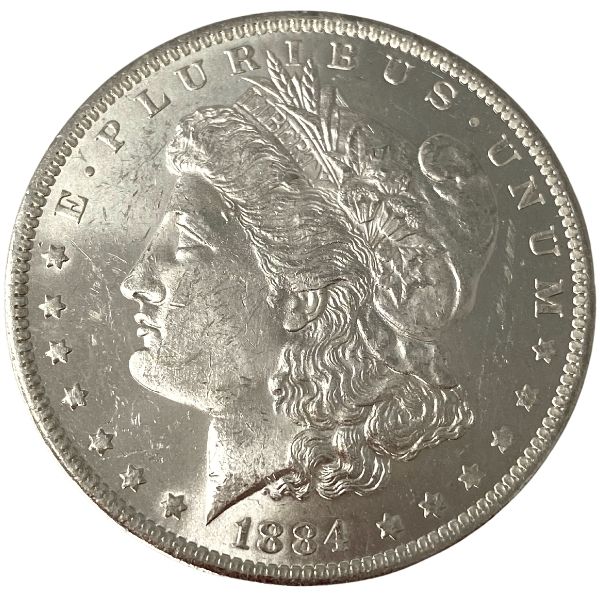
Together with the year, a coin’s mint mark helps determine its rarity and value. Certain mints may produce only a limited number of coins in a given year, making coins with that mint mark especially valuable. Carson City, for example, produced few Morgan silver dollars compared to the other mints in the U.S. Minting system. Today, Carson City (CC) Morgan dollars from certain low-mintage years are worth a considerable amount of money due to their scarcity.
Mint Marks Outside of U.S. Coinage
Mint marks aren’t just used on American coins. Countries around the world use mint marks to establish which mint produced each of their coins. Even modern bullion coins sometimes employ mint marks, especially when several minting locations in a country are responsible for releasing bullion coinage.
Mint Marks and Mintages
In conjunction with the date, a coin’s mint mark helps numismatists determine its mintage. The mintage of a coin refers to how many of that particular coin were produced during a given year.
Key dates are years and mint marks in a coin series where production was especially low. For some coins, key dates can be worth thousands of dollars or more, depending on their rarity and condition. While the date of a coin plays a roll in determining its general rarity, the actual scarcity of a coin is determined by a combination of its date, mint mark, and the estimated surviving number of coins with those specifications in a similar grade.
In short, the mint mark of a coin plays a major role as collectors attempt to determine their coin’s mintage, which helps establish its rarity and potential value.
How to Find a Coin’s Mintage
The easiest way to find the mintage of a coin is to consult a coin value book or website. Resources like the American Numismatic Association (ANA), Professional Coin Grading Service (PCGS), and Numismatic Guaranty Company publish guides for most U.S. and foreign coins, so be sure to consult these resources to find your coin’s mintage.
Some mints also provide specific mintage numbers online, especially for modern bullion coins like the American Eagle series or the Canadian Maple. If you’re looking for the mintage of your modern bullion coin, you may be able to find that information on your mint’s website.
Remember, both the date and mint mark of a coin are used to identify its mintage. For example, millions of Morgan dollars may have been minted in a given year, with only a fraction of these coins coming from the Carson City Mint. A date can sometimes be common and still feature a rare, key date group of coins from a particular mint.
Why do Mint Marks Matter?
Mint marks on coins matter for several reasons.
Most importantly, the mint mark of your coin provides you with crucial information about its rarity and potential value. The mintage of a coin plays a major role in determining its market value, and you’ll only know your coin’s total mintage if you identify its mint of origin and date.
For fans of history, mint marks also offer key insights into the history and journey of a coin. The Carson City Mint, which produced coins with the coveted “CC” mint mark, is a great example. The Carson City Mint was established to capitalize on the large amounts of silver and gold being mined as part of the Comstock Lode. Since transporting that vast quantity of silver to the closest existing mint in San Francisco would be very costly, Carson City became the de facto mint for metals mined in surrounding areas.
Knowing more about the history of your coins can help you know what you have – and get the most out of your assets when it comes time to sell.
Final Thoughts: What is a Mint Mark – and Why Does it Matter?
A mint mark is a small letter or series of letters that notes which of several possible mints produced a coin. For U.S. coins minted prior to 1968, the mint mark is typically located on the reverse, although a couple of exceptions exist.
Together with the date, the mint mark found on a coin helps tell numismatists and coin collectors more about their coin’s mintage and scarcity. Whether you’re a new collector or a seasoned numismatist, mint marks are one of the most important parts of a coin to note!
You might also be interested in:


About The Author

Michael Roets
With over six years of experience reporting on precious metals, Michael Roets covers market news, buying guides, and commentary for Hero Bullion.