
What Is a Kilo of Silver Worth?

At a Glance:
- The value of a kilo of silver mostly depends on the current spot price of silver.
- Multiply the spot price of silver by 32.1507 (troy oz in a kilo) to find the melt value of a kilo of silver.
- On this page, learn how much a kilo of silver is worth, what changes a silver kilo’s trade value, and more.
What Is a Kilo of Silver Worth?
A kilo of silver is worth roughly its silver content, with melt value depending on the current spot price of silver. To find the current melt value of a kilo of .999+ silver, multiply 32.1507 (troy oz in a kilo) by the spot price of silver. Depending on a product’s form, it may also carry an additional premium over melt value. Coins, rounds, and specialty kilo silver bars tend to sell at a larger premium over melt compared to standard kilo silver bars.
For many investors, a kilogram of silver is a very large investment. Because silver premiums tend to decrease as the size of a product increases, kilo silver bars, coins, and rounds can offer substantial discounts on a per-ounce basis compared to smaller units. The total cost of buying a kilo of silver depends both on the current spot price of silver and the type of product you’re buying, which can impact the premium charged over spot per troy ounce.
On this page, read about how much a kilo of silver is worth, the cheapest way to buy a silver kilo, and more.
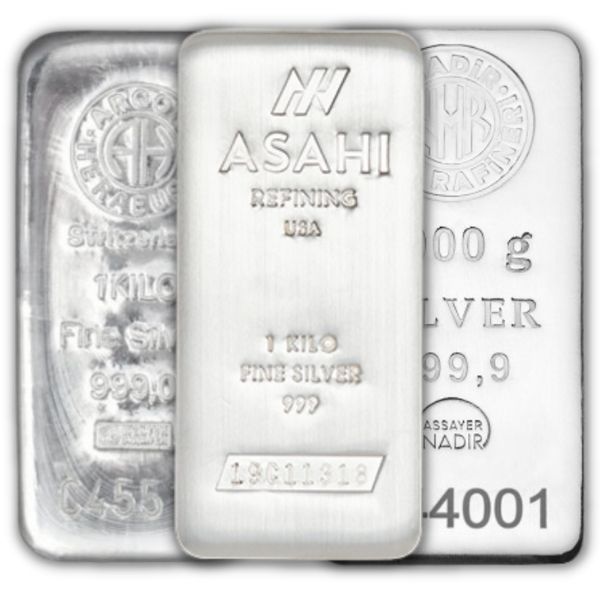
How to Calculate What a Kilo of Silver Is Worth
You can find the melt value of a kilo of silver by multiplying the item’s weight in troy ounces (32.1507) by the current spot price of silver.
For example, if you have a kilo of silver and the spot price of silver is $70 per troy ounce, multiply 32.1507 by $70 to get a melt value of around $2,250.55.
What a Kilo Is Worth at Different Spot Prices
Since melt value is calculated by multiplying the weight in troy ounces of a product by the current spot price of silver, a kilo of silver’s value varies depending on how high silver prices are.
Here’s what the approximate melt value of a kilogram of silver looks like at different silver spot prices.
What a Kilo of Silver Is Worth at Different Spot Prices
| Silver Spot Price | 1 Kilo Melt Value |
|---|---|
| $20/oz | $643.01 |
| $30/oz | $964.52 |
| $40/oz | $1,286.03 |
| $50/oz | $1,607.54 |
| $60/oz | $1,929.04 |
| $70/oz | $2,250.55 |
| $80/oz | $2,572.06 |
| $90/oz | $2,893.57 |
| $100/oz | $3,215.07 |
| $110/oz | $3,536.58 |
| $120/oz | $3,858.09 |
| $130/oz | $4,179.60 |
| $140/oz | $4,501.10 |
| $150/oz | $4,822.61 |
Note: Melt value is spot price times 32.1507, the number of troy ounces in a kilo. What you actually pay will include a premium over melt, and dealers usually offer slightly below melt for a kilo of silver.
Melt Value vs. What You’ll Actually Pay
Most precious metal products sell at a higher cost than their melt value. Kilo silver coins, bars, and rounds typically retail for their melt value plus an added fee called a premium. Premiums vary between product types, so stackers should know which category of kilo silver item matches their budget.
Buying silver by the kilo is usually more cost-effective than purchasing smaller units, since premiums decrease as the size of the product increases. Among silver kilos, different product types can exhibit major differences in premiums on a per-ounce basis.
Kilo Silver Coins vs. Bars vs. Rounds
Generally speaking, kilo silver bars tend to be the cheapest way to stack a kilo of silver. At the kilo size, most mints produce standard kilogram bars with minimal production costs. Kilo coins and rounds, on the other hand, are often limited-edition and feature large, intricate designs, driving premium costs higher.
Silver coins and rounds have their own appeal, though. Some sovereign kilo silver coins are minted in limited numbers, and many others are minted to demand and see less distribution in the bullion community due to their substantial size, which can lead to higher demand down the line once production stops. For silver rounds, design variety is key. Private mints create a range of unique designs for their kilo silver rounds, helping investors build their collections with scarce pieces and rare artwork.
Melt Value vs. Retail Price vs. Dealer Offer
| Price Point | Typical Quote | What Changes the Quote |
|---|---|---|
| Dealer offer when you sell | Usually a little under melt. | Mint/refiner, condition, designs, paperwork, or demand. |
| Melt value | 32.1507 × spot price | Spot price changes melt. |
| Dealer price when you’re buying: standard silver bar | Melt + small premium. | Mint/refiner, production type (e.g., mint vs. poured), or condition. |
| Dealer price when you’re buying: specialty bars, coins, rounds | Melt + larger premium. | Designs, investor demand, mint, condition, or scarcity. |
Note: Premiums and offers vary by dealer and across products.
What a Kilo of Silver Is Worth When You Sell
As with other silver products, you will rarely earn the premium you pay back once it’s time to sell your kilo silver coin, bar, or round. Dealers will usually offer a little under melt value for most kilo silver products, and your offer will also be below retail price for the same item. The difference between these two values is called the dealer’s spread.
Offers for a kilo of silver are quoted based on the current spot price of silver: at spot, below spot, and sometimes more than spot for brands or products in high demand.
That being said, different kilo silver items fetch different offers, depending primarily on brand and product types.
Products that are sourced from recognized refiners or mints, come with a serial number and (even better) a matching assay card, or are in great condition without major damage or wear tend to command offers close to melt.
Conversely, bars, coins, or rounds from unknown or small private mints, heavy damage, missing paperwork for items that typically ship with assay cards, and products that would require testing before purchasing tend to draw lower offers from dealers.

Kilo Bars vs. 10 oz and 100 oz Bars
When you buy silver in bulk, 10 oz, 1 kilo, and 100 oz are typically your most common options. A kilo is about 3.2 10 oz bars, and a 100 oz bar is about 3.1 kilos in weight. The kilo bar sits between these two sizes, making it a great option for investors who want to add some weight to their stack but can’t quite justify buying a full 100 oz piece.
Larger bars also tend to carry smaller premiums per ounce, giving kilo pieces a slight value advantage over smaller 10 oz bars. Total retail price is always higher on a kilo bar than a 10 oz bar, though, so investors should expect their premium savings to come at the price of around 3.2 times the entry cost when choosing a kilo over the 10 oz bar.
A 10 oz bar can offer a bit more flexibility compared to a kilo bar. You can’t sell part of a 100 oz or 1 kilo silver bar. While premiums are higher for 10 oz pieces, owning three 10 oz bars may be the better choice for investors who don’t want to have to part with a full kilogram when they’re ready to sell.
How a Kilo Compares to 10 oz and 100 oz Silver Bars
| Bar Size | Premium per Oz | Troy Oz | Weight |
|---|---|---|---|
| 10 oz | Highest | 10 | 311 g / 0.69 lb |
| 1 kilo | Lower | 32.15 | 1,000 g / 2.20 lb |
| 100 oz | Lowest (typically) | 100 | 3,110 g / 6.86 lb |
Note: These are general estimates; dealer quotes hinge on market conditions, demand for specific products, inventory gaps, etc.
Frequently Asked Questions About a Kilo of Silver’s Value
How Many Troy Ounces Are in a Kilo of Silver?
There are 32.1507 troy ounces in a kilo of silver. This figure is sometimes quoted as 32.15 troy oz due to rounding.
How Much Does a Kilo of Silver Weigh in Pounds?
A kilo of silver is equal to 2.2046 AVDP (standard) pounds.
Is a Kilo of Silver 35.27 Ounces?
A kilo of silver is 35.27 AVDP ounces, but the precious metals industry uses troy ounces. There are 32.1507 troy ounces in a kilo of silver.
Is a Kilo Bar Cheaper Per Ounce Than 1 oz Coins or Bars?
A kilo silver bar costs more in total than 1 oz coins or bars, but the kilo piece sells at lower premiums on a per-ounce basis. Buying bigger means sacrificing flexibility, since smaller pieces make it easy to liquidate part of your stack without selling an entire kilo at once.
How Much Will a Dealer Pay For a Kilo of Silver?
Dealers usually pay close to melt value, which fluctuates based on the current spot price of silver. Some products sell for slightly less or slightly more than spot, with actual offers depending on mint, condition, product type, and demand.
Why Do Some Kilo Bars Cost More Than Others?
Some kilo bars cost more than others due to brand/refiner reputation, bar type (minted vs. poured), design and collectible appeal, and other factors. Kilo coins tend to cost more than kilo bars.
Are Kilo Silver Bars IRA Eligible?
Kilo silver bars are IRA eligible if your bar is .999+ fine and was produced by an approved refiner or mint.
Final Thoughts: How Much Is a Kilo of Silver Worth?
A kilo of silver is worth around 32.15 times silver’s spot price. Silver products trade at an additional premium over spot/oz, so you’ll pay a bit more than melt when you buy most kilo coins, bars, or rounds.
When you sell a kilo of silver, dealers will generally offer melt or slightly lower. Some kilo silver products may command a premium over melt when selling, depending on rarity, condition, mint/refiner, and demand for that particular product. Kilo silver coins and rounds typically carry a larger premium per ounce than kilo bars.
You might also be interested in:


About The Author

Michael Roets
With over six years of experience reporting on precious metals, Michael Roets covers market news, buying guides, and commentary for Hero Bullion.