
What is a Karat of Gold?

At a Glance:
-
- Karats refer to how pure a gold coin, bar, or piece of jewelry is.
- 24k gold is the purest gold available and can be up to 99.999% fine.
- On this page, learn about what a karat is – and the best purity of gold to buy.
What is a Karat of Gold?
If you’ve ever shopped for gold jewelry, you’ve seen the phrase “24 karat gold.” But what is a karat – and why do we use the term to describe gold items? Karats are used to describe the purity of a gold product. A single karat is equal to 1/24 parts gold, so 24k gold is considered the purest form of gold available.
Karats are mostly used by jewelers to describe the purity of gold bracelets, rings, or other pieces of jewelry. It is possible to define a gold coin’s purity using karats, but most gold bullion dealers prefer to express purity using decimals or percentages.
For gold jewelry investors, understanding how the karat purity system works is extremely important. Contrary to popular belief, higher purity isn’t always better, especially when it comes to wearable products. 24k gold is almost 100% pure, which makes it ideal for investors who want to get the most gold possible for their money. Since jewelry is meant to be worn, 24k gold rings or bracelets can actually be easier to damage.
On this page, learn more about how karats are used to measure the purity of gold products, the differences between 24k, 18k, and 14k gold, and more.
Karat vs. Carat – What’s the Difference?
Some gold dealers use the terms karat and carat interchangeably. Technically speaking, karat (with a k) is considered the correct spelling when we refer to the purity of gold products. Carat is most often used to refer to the weight of a gemstone, such as a diamond.
Because karat and carat differ by only one letter, the terms are easy to confuse. Here’s the good news: most gold dealers will know what you’re talking about, even if you use carat instead of karat. Still, it’s always a good idea to try to use the right term when talking about gold jewelry, coins, or bars.
Remember:
- Karat = Gold
- Carat = Diamonds
Using Karats to Define Gold Purity
One of the most common complaints about the karat purity system is that it’s confusing. After all, why can’t we just say how pure a jewelry piece is using percentages? Some dealers do state the purity of their items using percentages or decimals – Hero Bullion does this with our gold coins and bars.

The karat system is nothing more than a useful form of shorthand to express the most common purities found in gold jewelry. By breaking gold down into 24 parts using karats, dealers can quickly describe the exact purity of their coins, bars, or pieces of jewelry.
For jewelry, the word “karat” is usually shortened to just the letter “k.” That’s why you’ll hear people refer to very pure gold necklaces as “24k gold.” When someone calls something 24k gold, they’re really saying that their gold is 99.99% pure.
14k vs. 18k vs. 24k Gold
So what’s the difference between 14k, 18k, and 24k gold? 14k gold is 58.3% pure, 18k gold is 75% pure, and 24k gold is completely pure. Technically, 24k gold can be anywhere from 99.99-99.999% pure. Gold jewelry can’t actually be 100% pure, since 100% pure gold wouldn’t even hold its shape at room temperature.
14k, 18k, and 24k gold are some of the most common gold purities you’ll find on pieces of gold jewelry, but they’re not the only purities available. In fact, many people prefer 22k gold when shopping for engagement rings.
Here’s a gold purity chart to illustrate the different purities of gold items:
| Karats | Purity |
|---|---|
| 24k | 99.99%+ Pure Gold |
| 22k | 91.7% Pure Gold |
| 21k | 87.5% Pure Gold |
| 20k | 83.3% Pure Gold |
| 18k | 75% Pure Gold |
| 15k | 62.5% Pure Gold |
| 14k | 58.3% Pure Gold |
| 12k | 50% Pure Gold |
| 10k | 41.7% Pure Gold |
| 9k | 37.5% Pure Gold |
| 8k | 33.3% Pure Gold |
Tip: Purer Isn’t Always Better!
One common misconception is that purer gold is always better. This is generally true for gold bullion coins and bars, since these products are usually bought as an investment and should not be handled frequently. But for gold jewelry, purer is not always better.
Why is lower karat gold sometimes better? The higher the purity of a gold item, the easier it is to scratch or damage. That’s because gold is the most malleable element on the planet. A malleable item can be easily shaped into something else. The purer your gold is, the less force it will take to bend, scratch, or otherwise ruin your investment.
Again, this isn’t a huge problem for 99.99% pure gold coins, since investors tend to keep these coins secure and avoid handling them as much as possible. This is not the case for gold jewelry, which some people wear every day. 24k gold is 99.99% pure (or purer), so something as simple as hitting your 24k gold engagement ring against a table or dropping your 24k gold chain can permanently damage your jewelry.
What Gold Purity is Best For Jewelry?
If 24k gold doesn’t make the best jewelry, then what does? For engagement rings, most jewelers recommend either 14 or 18 karat gold. At this purity, a ring will be extremely durable but still offer the classic yellow look of a pure gold product. In a sense, 14k and 18k gold provide jewelry investors with the best of both worlds.
For other pieces of jewelry, the ideal purity depends on your personal preferences. In particular, consider how often you plan to wear your jewelry – and how likely you are to accidentally bang it against surfaces. For necklaces or bracelets only worn on special occasions, it may be fine to go with delicate 24 karat gold. If you plan on wearing your jewelry every day, a lower purity can save you quite a bit of money by helping you avoid damaging your investment.

Is 24k Gold 100% Pure?
Another common misconception is that 24k gold is 100% pure. Even jewelers and gold dealers sometimes make this mistake. The truth is that it is not possible to create products using 100% pure gold. At a purity of 100%, gold rings or bracelets wouldn’t even hold their shape at room temperature.
Yes – this means that even 24k gold is not actually completely pure. In practice, this isn’t especially important. 24k gold is usually either 99.99 or 99.999 percent pure, so 24k gold jewelry is as pure as it is scientifically possible to be. Even the purest gold coins in the world are only 99.999% pure, so it makes sense that jewelry would never be purer than that.
Best Purity For Gold Coins and Bars
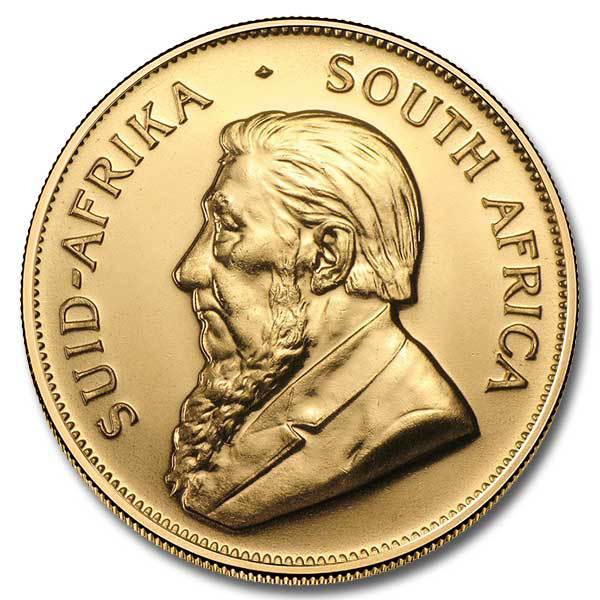
Gold coins and bars are usually sold as either 22k or 24k pure. 22k gold coins contain 91.67% pure gold. Common examples of 22k gold coins include the American Gold Eagle and the South African Gold Krugerrand. 24k gold coins are quite a bit more popular than 22k gold coins. The Canadian Gold Maple, Austrian Gold Philharmonic, and British Gold Britannia are three good examples of 24k (99.99% pure) gold coins.
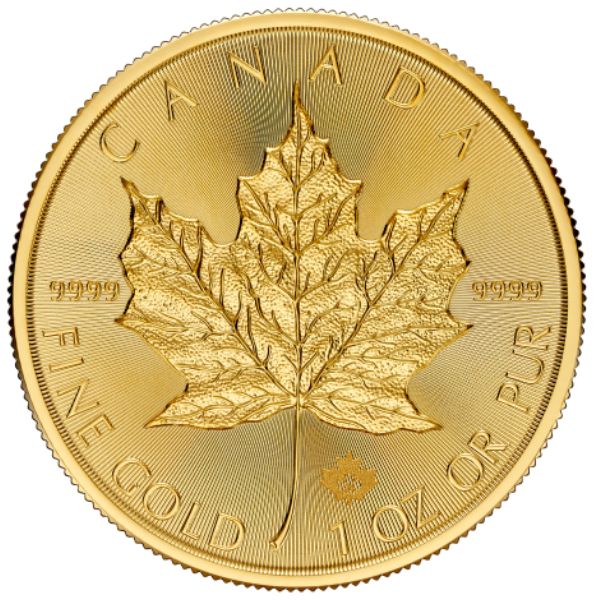
Most buyers prefer sub-24k gold for their wearable jewelry, but what’s the best purity of gold bars and coins to buy? Like with jewelry, this depends on your preferences. 24k (99.99%) pure gold is the most popular, since purer gold products tend to be a better deal than impure ones. Some investors prefer to buy 22k (91.67% pure) gold coins like the American Gold Eagle because of their superior durability compared to 24k gold coins.
If you plan to keep your coins safe and don’t intend on handling them often, buying 24k gold is a good way to save money and stack as much gold as possible for your cash. Not all investors agree! For some gold stackers, being able to handle their coins without risking dents or damage is worth sacrificing a bit of purity.
Ultimately, we recommend that you take some time to think about your own opinion on the 24k vs. 22k gold debate. After all, the last thing you want is to end up with an investment that’s either too impure or too fragile for your needs!
Final Thoughts: What is a Karat of Gold?
The karat system might seem complicated, but it doesn’t need to be. Karats are units of measurement used to express the fineness, or purity, of a gold product. One karat is equal to 1/24th parts of gold. 24 karat gold refers to gold that is (almost) 24 out of 24 parts gold. The purity of your gold investment is an important decision, since purer gold products tend to be easier to bend, scratch, or damage.
Luckily, the karat system is pretty easy to understand and can help you get a leg-up the next time you’re in the market for gold bullion or gold jewelry!
You might also be interested in:


About The Author

Michael Roets
With over six years of experience reporting on precious metals, Michael Roets covers market news, buying guides, and commentary for Hero Bullion.