
What Drives the Price of Copper?

At a Glance:
-
- The spot price of copper describes the current market value of a pound of pure copper.
- Industrial demand, investor speculation, and other factors drive the price of copper.
- On this page, learn how the spot price of copper is set – and what factors drive it.
What Drives the Price of Copper?
Copper is an affordable metal for investors working on a budget, especially as gold and silver prices continue to reach new heights. Despite its low price per pound, copper is also one of the world’s most useful metals. Annual copper demand is estimated to be around 28 million tons, much of which is used in the electrical, construction, and infrastructure sectors.
Processed copper products, such as copper bars, coins, or rounds, tend to sell at a hefty premium over the spot price of copper. In its raw, unprocessed form, copper is so cheap that its spot price is typically quoted in pounds, rather than the troy ounce weighing system used for precious metals like gold and silver.
In 2026, a combination of rising demand and uncertainty surrounding supply chains drove copper to its highest price per pound ever. While copper is still an affordable asset compared to gold, silver, or platinum, rising copper prices make it more important than ever for investors to understand the basic mechanics of the market.
So, what drives the price of copper? The spot price of copper fluctuates depending on a number of factors, including supply-demand dynamics, geopolitical conditions, and speculation by investors. On this page, learn more about what drives the price of copper – and how to invest in one of humanity’s most industrious metals.
About the Spot Price of Copper
‘Spot price’ refers to the current market value of a precious metal or other asset. The spot price of gold, silver, platinum, and other assets is generally quoted in troy ounces. For copper, spot price is quoted in AVDP pounds because the metal is inexpensive in smaller weights and traders tend to buy large quantities of copper at once.
How to Read the Current Spot Price of Copper
The spot price of copper fluctuates constantly, so investors who plan to buy physical copper or copper stocks should understand the current spot price of the metal. Although copper tends to be less volatile than precious metals like gold or silver, certain events or demand spikes can quickly drive the spot price of copper higher or lower.
It’s also important for investors to remember that the spot price of copper describes the value of the metal itself and does not take into account premiums charged for physical copper purchases. Physical copper products, such as copper rounds, bars, or coins, are sold at a substantial premium over spot price.
As investors and collectors will notice, most processed physical copper products sell for much more than their melt value in pure copper. This price disparity happens for two main reasons.
First, investors pay a premium on physical copper because of the enhanced costs associated with producing copper bars, rounds, or other products. These costs are baked into the total price of a copper round or bar, along with transportation costs, profits for distributors, and other costs.
Second, most of the world’s copper is traded in very large quantities among institutions. Because of high demand from industries like electronics, infrastructure, and other sectors, smaller copper investments weighing less than multiple pounds tend to sell at inflated premiums over melt value.
While there are ways for investors to save money on premiums while buying physical copper, collectors should know that buying copper bars, coins, or rounds is generally considered an inefficient way to invest directly in the spot price of copper.

What Determines the Spot Price of Copper?
Like in other metal markets, the spot price of copper fluctuates depending on a number of different factors. Both general market speculation and supply-demand dynamics surrounding the metal itself can drive the spot price of copper either higher or lower.
Four main factors tend to drive the spot price of copper, including:
- Supply-demand dynamics. Like any other asset, the value of copper varies based on supply and demand dynamics. Generally speaking, a spike in demand or a drop in production leads to higher copper prices, while diminishing demand or the introduction of large, new sources of copper can drive the price of copper lower.
- Investor speculation. Investor speculation can also play a role in determining the current spot price of copper. Some investors speculate that copper will become more valuable in the future, driving demand higher and leading to a higher spot price for copper. Investor speculation typically happens via copper ETFs, mining stocks, or other forms of so-called ‘paper’ copper.
- Industrial usefulness. Copper’s price is heavily influenced by industrial demand. The metal’s conductivity, malleability, and resilience make it an excellent choice for electronics, construction, wiring, and numerous other items. Spikes in industrial demand, new discoveries and inventions that use copper, and other use cases for the metal can drive copper’s demand higher.
- Geopolitical events. Certain geopolitical events can have a profound effect on the value of copper. In 2025 and 2026, U.S. President Trump threatened to institute fresh tariffs on copper imports, which sparked fears of a shortage and drove copper prices higher. Other geopolitical events that can cause copper prices to increase include the outbreak of war, since copper is vital to the manufacture of ammunition and weapons, major mine closings, new international development products, and more.
Below, we’ll take a closer look at the four largest factors that can impact the spot price of copper.
Supply-Demand Dynamics
Basic supply and demand dynamics play an outsized role in driving the price of copper. While precious metals like gold and silver are valued primarily for their rarity, platinum’s value comes from its usefulness. As such, fluctuations in supply and demand, particularly in large industries, contribute significantly to the spot price of copper.
Supply and demand are the two most foundational laws of economics. Supply refers to how much copper is readily available, while demand refers to the amount of copper needed by individuals, companies, and institutions. Supply and demand for copper are constantly changing. The discovery of a new vein of copper, the opening of a new copper mine, or the introduction of cleaner supply chains or more efficient transport strategies can increase the supply of copper. Alternatively, demand for copper can spike when a new use for the metal is developed, a copper-heavy industry (i.e., solar energy) expands, or investor speculation grows.
Both demand for physical copper and speculation by investors can impact supply-demand dynamics, driving copper prices either higher or lower.
Investor Speculation
Investor speculation plays an important role in driving the price of copper. Like gold, silver, and other precious metals, copper is the subject of substantial speculation by investors. When investors, particularly large, institutional ones, believe that copper is undervalued, they may buy more of the metal, either in the form of physical copper or ‘paper’ copper, such as copper ETFs or mining stocks.
This speculation drives demand for copper higher, which can quickly lead to higher copper prices and inflated premiums on the secondary market. Likewise, investors may short copper, which means that they bet the metal will lose value. This can have a dampening effect on demand, pushing copper prices lower as investors sell their shares in the metal to avoid losing money.
Several different factors can lead to bullish investor speculation. In particular, geopolitical events, such as the announcement of new tariffs or heightened tensions between copper-producing nations, can cause global investors to buy more copper futures or copper stocks in anticipation of a price run.
Industrial Usefulness
Industrial usefulness is the most important factor behind the value of copper. Compared to gold, silver, or other truly precious metals, copper is shockingly common in the earth’s crust. Despite its abundance, copper is an extremely important and one of the most valuable base metals. Why? Copper is valuable because of its usefulness.
Copper is used in a wide range of industries. In particular, copper is highly useful in the electrical and electronics industry, the transportation sector, and industrial machinery manufacturing. Globally, these industries account for millions of tons in demand for copper annually. Compared to industrial uses, demand for physical copper bars, coins, and rounds accounts for only a very small percentage of the copper consumed by humanity each year.
Although it’s unlikely that new uses for copper will be discovered any time soon, the growth or retraction of certain copper-consuming industries can impact the value of the metal. For example, the explosive growth of the solar panel industry led to heightened copper demand in the 2010s, since copper is a cornerstone of the production of solar energy cells, windmills, and other green energy technologies.
Investors interested in copper should understand that the metal’s industrial usefulness isn’t just why it is valuable – industrial demand can also drastically change the copper industry, including its spot price.
Geopolitical Events
Geopolitical events and conditions can also drive the price of copper. In an indirect sense, the spot price of copper is constantly being influenced by certain geopolitical conditions, such as relations between copper-consuming and copper-producing countries. More directly, events like the announcement of new tariffs on copper or the outbreak of war can directly drive copper prices higher – or lower.
In 2025, copper prices spiked after U.S. President Donald Trump announced a new tariff on copper imports. The spot price of copper quickly peaked at a then-high before retreating throughout the year. A combination of geopolitical uncertainty and renewed fears surrounding tariffs drove copper to a new all-time high again in January of 2026.
War can be an especially significant driver of demand for copper. Copper is a vital component in a range of weapons, vehicles, and ammunition types used in modern conflicts. When a war begins or tensions boil over between two large nations, demand for copper in the military sector can spike, driving prices even higher.

Investing in Copper
When it comes to investing, copper is quite unlike gold, silver, and other precious metals.
To start, copper is cheap and traded in high quantities. It isn’t uncommon for institutions to purchase copper by the tons, rather than by the pounds or ounces. Even serious retail copper investors tend to buy copper in large amounts. This can make it tricky for the average investor to buy enough copper to make a large-scale investment worthwhile, at least where the physical metal is concerned.
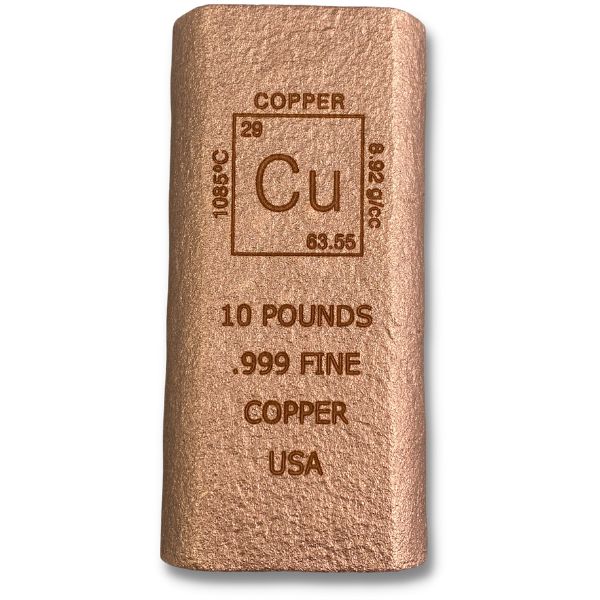
Additionally, the low price of copper means that small copper items, such as copper bars, coins, or rounds, are often sold at high premiums. The cost of producing a 1 oz copper round, for example, can sometimes be nearly as much as the melt value of the copper it contains. As a result, these products usually aren’t effective as vehicles for investing in the price of copper, although they can make excellent and valuable collectables.
Physical Copper vs. Paper Copper Investing
Physical copper is useful for various industries and large, institutional investors, but it’s not usually the go-to for retail investors who want to invest directly in the metal itself. Copper products like coins, bars, and rounds can be highly collectible, and many investors appreciate their affordability compared to gold, silver, or platinum items.
For investors who want to speculate directly on the price of copper, copper ETFs, futures, and other so-called ‘paper’ copper investments are considerably more efficient. When you buy shares pegged to the price of copper, you profit directly as the spot price of copper increases.
What’s the better investment option? It depends! For investors who like aesthetically pleasing products, physical copper is an excellent choice. Copper coins, bars, and rounds can also appreciate in value over time, especially if your items are rare or popular among collectors. On the other hand, these smaller copper products rarely mirror the price of copper directly. If a pound of copper is worth $5, a 1 oz copper round traded at melt value should only retail at around $0.30. In reality, a copper round can sell for $3 or more, depending on its mint, designs, rarity, and popularity. That’s a markup of around 1,000%!
There’s nothing wrong with buying copper coins, bars, and rounds, though. In fact, most physical copper buyers enjoy the collectability of their bars and rounds, opting for these products over silver and gold items.
Buying Copper Bars, Coins, and Rounds Online
You can buy a wide range of physical copper products online. Hero Bullion is a leading online distributor of copper coins, bars, and rounds. Take advantage of competitive pricing, fast shipping, and free shipping on qualifying orders when you shop copper online with Hero Bullion!
Final Thoughts: What Drives the Price of Copper?
Unlike many precious metals, global demand for copper comes primarily from industry – not investors. The spot price of copper fluctuates constantly and depends on various factors, including supply-demand dynamics, investor speculation, industrial usefulness, geopolitical conditions, and more.
Understanding how the spot price of copper is set, as well as what drives it, is an important part of investing that can help collectors, stackers, and copper investors better manage their portfolios or collections.
You might also be interested in:


About The Author

Michael Roets
With over six years of experience reporting on precious metals, Michael Roets covers market news, buying guides, and commentary for Hero Bullion.