
What is Copper Used For?

At a Glance:
-
- Copper is used in a variety of industries, making it one of the world’s most useful metals.
- Building construction is copper’s biggest demand driver, accounting for 45% of demand annually.
- Electricity and electronics, transportation, and industrial machinery also drive annual demand.
- On this page, learn more about copper’s major uses, as well as its investment potential.
What is Copper Used For?
Copper is more than just an investment. Of course, copper bars and rounds are a fantastic way to diversify and expand your investment portfolio. But copper is also one of humanity’s most vital assets. Since its discovery in around 9,000 BC, copper has been used in the manufacture of a wide range of tools.
Today, global demand for copper is primarily driven by the building construction industry, where the metal’s durability, conductivity, and resistance to corrosion make it a powerful tool for builders. Other major uses of copper include electricity and electronics, transportation, industrial machinery, and consumer products like copper bars and rounds.
If you’re considering investing in copper, it’s important that you understand what drives demand for the metal. On this page, learn more about what copper is used for.
Copper’s Biggest Uses
To understand copper’s biggest demand drivers, it’s helpful to take a closer look at the core qualities of the metal. Compared to other metals, copper is:
- Highly conductive
- Resistant to corrosion
- Very durable
- Malleable
As you might imagine, these qualities make copper ideal for use in a variety of industries, including building construction and electronics manufacturing. Global demand for copper is expected to hit 50 million metric tons, according to some industry experts. Much of this demand is attributed to heightened digital and energy needs, as well as global growth and development.
Copper’s five main uses include:
- Building construction
- Electrical applications
- Transportation
- Industrial machinery
- Consumer products
Building Construction
Copper’s durability, malleability, and corrosion resistance make it one of the most useful construction materials. Your home, office building, gym, and favorite restaurants are all likely made using tons of copper. In fact, experts in the field say that as much as 45% of all demand for copper comes from the building construction industry.
In the construction process, copper is often used to create roofing, pipework, electrical structures, and more. Copper’s corrosion resistance and beauty also make it a fine decorative element on modern buildings.
Interestingly enough, copper’s use in building construction is nothing new. Historians say that the Ancient Egyptians used copper on the doors of important temples, and archeological evidence in Sri Lanka shows copper structures dating all the way back to 400 BC. Even the Pantheon, an iconic landmark and symbol of Ancient Roman culture, was fitted with a copper roof.

Electrical Uses
Another major use for copper is in the electronics and electrical sectors, which account for about 22% of annual demand for the metal. Copper is highly conductive and relatively affordable, at least compared to other highly conductive metals like silver. With a conductivity rating of 100%, copper is one of the world’s most conductive metals.
Without copper, electrical wiring would be far less efficient – or way costlier. Copper demand tends to closely follow along with global development. As developing nations look to improve infrastructure, the affordability and usefulness of copper in the construction sector drive demand for copper higher.
If you enjoy the electricity in your home, you likely have copper to thank!
Transportation
Demand for copper in the transportation industry continues to climb, due in no small part to the growing popularity of electric vehicles. Copper’s conductivity is useful in the charging structure, charging ports, and other vital parts of modern electric vehicles. While transportation currently accounts for only a moderate percentage of annual demand for copper, this industry is projected to grow considerably over the next decades.
Copper’s primary use case in the transportation sector is as a charging conductor for electric vehicles, but copper is also widely used in traditional vehicles, as well as public transit vehicles. Cars use copper for their motors, bearings, breaks, radiators, and wiring, while the average public bus or subway car uses quite a lot of copper.

Industrial Machinery
Industrial machinery also uses quite a bit of copper annually. Copper’s conductivity, malleability, corrosion resistance, and ductility make it ideal for the construction of industrial machinery. In the era of robotic industrial machinery tools and energy demands for the artificial intelligence systems that help operate them, copper’s conductivity puts it a prime position to succeed in the coming years.
Consumer Products (i.e., Copper Rounds, Bars and Ammunition)
For investors, consumer products are likely the most recognizable uses of copper. Consumer products refer to items sold to consumers at the retail level. Aside from investment products like copper rounds and bars, copper enjoys robust demand through other consumer products like jewelry, decor, and ammunition.
Copper bullion products are increasingly popular among investors. Copper bars and rounds allow investors to capitalize on an exceedingly useful metal using beautiful, intricately designed products.
Copper as an Investment
Today, copper is a popular investment. While copper premiums typically account for a higher percentage of a finished copper product’s total price than you’d find among silver or gold products, many consumers find that the added cost is well worth it. Copper’s usefulness gives investors another way to profit over time, since copper demand increases as nations work to develop and improve infrastructure.
Investment-grade copper is often sold in the form of either copper rounds, circular disks of copper, or bars, rectangular or square-shaped chunks of pure copper. Unlike gold and silver, which are usually measured in troy ounces, copper products are weighed using the avoirdupois measurement system.
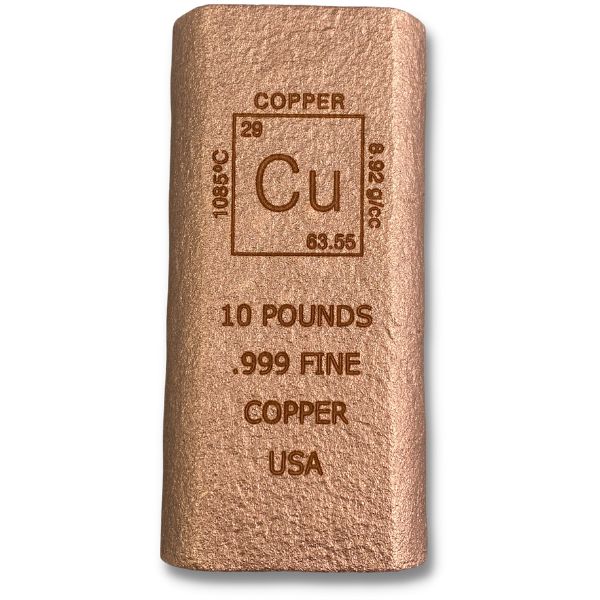
Copper Premiums Explained
Many precious metal investors complain that copper premiums are extremely high. This isn’t untrue. Premiums for copper products are almost always higher than you’ll pay for silver or gold bars, coins, and rounds. In reality, the high premiums assigned to copper investment products are a result of the metal’s high annual demand.
When you see the spot price of copper, you’re seeing the price that large industry players pay for tons of the metal at one time. By contrast, small investors buying copper by the ounce or pound are paying a comparably higher premium. As a general rule, metal premiums also tend to decrease as the size of your investment increases, which explains the relatively high premiums on copper rounds and bars.
Why is Copper So Expensive?
Copper prices have doubled over the past decade. While copper is far less volatile than gold or silver, the metal has trended consistently higher over the course of modern history. So, why is copper so expensive? Copper’s rising prices can be attributed to heightened demand from the electric vehicle industry, as well as infrastructural development all over the world.
In the long term, copper is likely to continue its trend of slowly gaining value over time. While copper isn’t especially rare and doesn’t see the wild bull runs we’ve witnessed in precious metal markets, copper’s popularity and rising demand give investors a degree of security few other assets offer.
Final Thoughts: Copper, Humanity’s Most Vital Metal
Since its discovery over 10,000 years ago, copper has been one of humanity’s most essential tools. Copper is used in the construction of buildings, electrical structures and electronics, transportation, and more. Copper bars and rounds are highly affordable, although they’re usually sold at higher percentage premiums than gold, silver, and other precious metals.
In a sense, copper is one of the world’s most consistent investments. It has trended up in value over most of modern history, and investing in copper is often an investment in humankind’s future.
You might also be interested in:


About The Author

Michael Roets
With over six years of experience reporting on precious metals, Michael Roets covers market news, buying guides, and commentary for Hero Bullion.