
Troy Weights vs. AVDP | How Metals Are Measured

At a Glance:
-
- Troy ounces are most commonly used to measure the weight of precious metals like gold and silver.
- AVDP ounces and pounds, on the other hand, are used to weigh common, everyday items.
- Most copper products are also measured using AVDP measuring units.
- On this page, learn about the differences between troy weights vs. AVDP.
Troy Ounces vs. AVDP | How Metals Are Measured
If you spend a lot of time searching for precious metal products, you may notice something strange. Some metals are measured in troy ounces, while others are measured with something called “AVDP.” What gives? Well, these are actually two different measuring systems. Base metals like copper are often measured in AVDP ounces and pounds, while precious metals like gold and silver are typically weighed in troy ounces.
AVDP is short for avoirdupois, a system of measurement made up of ounces and pounds that we use to weigh most everyday items and products. Troy ounces, developed historically as a consistent weighing system for traders in Troyes, France, are most commonly used today to describe the weights of gold, silver, and other valuable precious metals.
While it’s uncommon to see copper weighed in troy ounces or precious metals measured in AVDP ounces, it is important that new investors understand the differences between these two measuring systems.
On this page, learn more about the difference between troy and AVDP measurements, including conversion rates, popular uses, and more.
What is a Troy Ounce?
The troy ounce is the primary measurement used to describe the weight of precious metals, including gold, silver, platinum, and other valuable metals. Troy ounces weigh slightly more than AVDP ounces; a single troy ounce is the equivalent of 1.09714 avoirdupois ounces.
Interestingly enough, troy pounds have the opposite relationship to their AVDP equivalent. A troy pound is the same weight as 0.822857 AVDP pounds, making it nearly 20% smaller in total weight.
History of the Troy System
Most historians believe that the troy measurement system was named for Troyes, a French town that once functioned as one of the country’s largest trading hubs. Going back as early as the 9th century, English merchants were known to trade with the French merchants in Troyes. By the end of the 14th century, the term was used to describe the weight of items in Great Britain.
Like all measuring systems, the troy system was most likely developed as a means of settling trade disagreements. Before the advent of a standardized measurement system, it would have been difficult for traders to consistently trade a given weight of one item with a given weight of another.
While the troy measuring system eventually fell out of style as a measurement system for everyday items, it remains the world’s most common measurement for precious metals. Even today, the spot prices of gold and silver are almost always quoted in troy ounces, and “good delivery” gold and silver bars traded by institutions on global stock exchanges are measured using the troy system.

Other Troy System Measurements
The ounce isn’t the only measuring unit in the troy system. Troy weights include four different units:
- Grain
- Pennyweight
- Troy ounce
- Troy pound
Although you may see gold or silver sold in grains, the pennyweight and troy pound are only rarely used to measure precious metals. For most precious metal products, either metric grams or troy ounces are the preferred measuring units.
AVDP Ounces Explained
Avoirdupois, commonly shortened to AVDP, is a weight measurement system that historians believe became popular during the 13th century. In 1959, an international agreement formally codified the units of this measuring system, which is used to express the weight of most common, everyday items in some countries.
AVDP ounces and pounds are also used to describe the weight of copper rounds and bars, making it an important weighing system for copper stackers to understand. Other base metals purchased by retail investors, such as aluminum and titanium, are also often measured in AVDP ounces and pounds.

Where Did the Avoirdupois System Come From?
By some accounts the widespread use of AVDP measurements predates the common use of the troy weight system. Historians believe that the avoirdupois weight system was developed as global trade began to flourish in the High Middle Ages. By the 14th century, the AVDP system was commonly used by countries around the world for the measurement of common, everyday items.
The AVDP system was not particularly standardized in its early days, though. In 1959, a coalition of nations signed an agreement to codify the weight of each unit in the AVDP weighing system.
What Are AVDP Measurements Used For?
In the United States and a few other nations, AVDP measurements are used to describe the weight of common, everyday items. If you’ve ever heard an American refer to a pound or ounce of something, they were probably talking about AVDP pounds and ounces. It is highly uncommon for regular, non-precious metal items to be measured in troy ounces and pounds.
For metal investors, AVDP measurements are most commonly used to describe the weight of copper bars and rounds. Copper products often have the inscription “AVDP ounce” or “AVDP pound,” which distinguishes these measurements from their troy counterparts.

AVDP vs. Troy Weights
The most common troy weight, the troy ounce, weighs slightly more than an AVDP ounce. The smallest measurement in either system, the grain, is equivalent. And the troy pound actually weighs nearly 20% less than an AVDP pound. Sound confusing? We get it. Luckily, most precious metals are measured in troy ounces, while most base metal weights are described in AVDP ounces.
Here’s a breakdown of how troy and AVDP weights compare:
| Troy Weight | Avoirdupois Equivalent |
|---|---|
| 1 Troy Grain | 1 Grain |
| 1 Troy Ounce | 1.09714 Ounce |
| 1 Troy Pound | 0.822857 Pound |
Are Metals Measured in AVDP or Troy Weights?
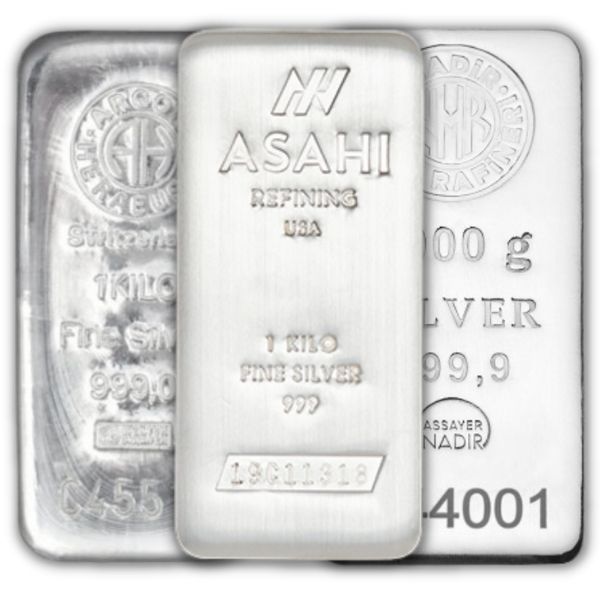
Precious metals are most commonly measured in troy weights, with two notable exceptions. Grams and kilograms, both units in the modern metric system, are sometimes used to describe the weight of very small or very large precious metal products. You will often see kilogram silver and gold bars, as well as 1-gram gold, silver, and platinum bars. The troy pound is seldom used for measuring precious metals.
AVDP weights are much more commonly used. In the United States and many other countries that do not use the metric system, AVDP ounces and pounds are the standard weight measuring units for everyday items. More relevant to our industry, the AVDP system is utilized to describe the weights of base metals, such as copper, titanium, and aluminum.
To figure out which measuring system was used to weigh your coin, bar, or round, take a close look at its obverse and reverse inscriptions.
Final Thoughts: Here’s How Metals Are Weighed
If you’re shopping for precious metals online, you may notice that not all metals are weighed using the same measurement system. Most metals are weighed using either the troy or avoirdupois (AVDP) system. Base metals, such as copper and titanium, use AVDP ounces and pounds, while precious metals like gold, silver, platinum, and palladium are most often measured in either troy ounces or metric grams and kilograms.
You might also be interested in:


About The Author

Michael Roets
With over six years of experience reporting on precious metals, Michael Roets covers market news, buying guides, and commentary for Hero Bullion.