
The Most Expensive Precious Metal Isn’t Gold – It’s Rhodium

Gold is synonymous with value. For thousands of years, humans have loved collecting the dense, beautiful metal. Even today, gold remains the most popular precious metal for investing. Despite its stellar reputation, gold isn’t actually the most valuable precious metal. The most expensive precious metal on the planet is actually rhodium, an especially rare metal used in both nuclear reactors and pharmaceutical drugs.
Rhodium’s current value is $4,625 per troy ounce, which is over double the spot price of gold. That’s right – gold isn’t even close to being the most expensive and rare precious metal on the planet.
Despite its value, most investors don’t even know about rhodium – and the role it plays in our daily lives. What makes rhodium so valuable? A combination of rarity and industrial demand continue to drive rhodium prices through the roof. Because nuclear technology isn’t going anywhere anytime soon, rhodium is unlikely to become cheaper in the future. For now, the strange, useful element retains its spot as the most expensive precious metal in the world.
Let’s dive into the history of rhodium to get a better idea of why rhodium is humanity’s most expensive precious metal.
What is Rhodium?
Rhodium is a silverish-white precious metal. Like other platinum group elements, rhodium is most often found as an alloy with other metals, including both platinum and nickel. Compared to other metals like gold, rhodium is exceptionally rare. Rhodium’s natural occurrence in the Earth’s crust is only around .0002 parts per million. Its rarity is one reason why rhodium is the most expensive precious metal on Earth.
What is Rhodium Used For?
However, rhodium’s real value comes from industrial demand. Much like platinum, rhodium derives value from its real-world applications. Around 80% of the world’s demand for rhodium comes from catalytic converters. Rhodium helps to filter out unnecessary and harmful byproducts produced by a vehicle’s exhaust.
Rhodium also plays a role in nuclear research. Nuclear reactors use rhodium to detect neuron flux levels, a crucial function in providing consumers with clean, safe nuclear energy. While only a small percentage of the world’s mined rhodium goes to nuclear reactors, its importance to the energy sector helps to keep rhodium prices high.
The History of Rhodium
In 1803, British chemist William Hyde Wollaston discovered rhodium shortly after he released another precious metal into the world: palladium. Wollaston had developed a complex method of dissolving platinum ores to reduce the ore down into all of its metals. Remember: platinum ore frequently includes an alloy of several different metals in the platinum group.

Wollaston’s discovery wasn’t considered very useful at the time. In the early 1900s, rhodium was sometimes being used in advanced thermometers called thermocouples. Rhodium’s ability to withstand extremely high temperatures made it perfect for thermocouples, which were used in research involving the measurement of exceptional heat.
Eventually, engineers figured out that rhodium was effective as a plate or coat for decorations. Again, the metal’s strength and durability helped to win it a place in multiple industries. But the world’s most expensive precious metal wouldn’t find its real spot in industry until 1976 – 183 years after it was first discovered.
When Volvo released a new type of catalytic converter in 1976, its engineers identified rhodium as an effective alternative to both platinum and palladium. Platinum and palladium had long been the only two metals used in catalytic converters. The introduction of rhodium to the mix in Volvo’s revolutionary three-way converter helped to reduce nitrogen oxide produced in exhaust.

Since 1976, new uses for rhodium have consistently been discovered. Today, rhodium’s extensive application in industry makes it the world’s most valuable and useful precious metal.
Why is Rhodium So Expensive?
While rhodium’s status as the world’s rarest metal makes it valuable, the precious metal wouldn’t be quite so expensive without the unprecedented level of global demand it commands. What makes rhodium so expensive? Because the metal is both rare and useful, its price seems to climb nearly every year.
The two main factors behind rhodium’s high price are its rarity and its industrial demand. Combining these two factors paints a compelling picture of the scarcest metal in the world: rhodium.
How Rare is Rhodium – Really?
Rhodium is significantly rarer than almost every other non-radioactive metal on the planet.
The abundance of a given element is usually stated in parts per million, or PPM. Rhodium composes around .0002 PPM of the Earth’s crust. In other words, a miner looking for rhodium would have to search through 5 billion grams of the Earth’s crust before they’re statistically likely to have found 1 single gram of rhodium. Talk about a rare metal!
To really understand just how rare rhodium is, it’s helpful to compare it to some of the other precious metals.
Platinum belongs to the same metal group as rhodium, but platinum is much more common. Its abundance is around .005 PPM. A miner searching for platinum would search around 200 million grams of the Earth’s crust before finding a single gram of platinum.
Long story short: rhodium is around 25 times rarer than platinum.
Rhodium’s rarity contributes to its market value. Because of how rare rhodium is, rhodium-only mines don’t exist. The metal is usually mined as a by-product of other precious metals, including palladium, platinum, and nickel. When mines for these other metals shut down, it causes prices to soar for the ever-rare and valuable rhodium.
How Demand for Rhodium Influences Prices
Basic economics teach investors that demand closely impacts pricing for a commodity. Precious metals are no exception to this age-old rule of investing. Some of the most expensive precious metals in the world offer both numismatic and industrial applications. A good example of the cross-pollination between industrial use-cases and high sale value is palladium. Palladium, like rhodium, is seldom seen as the world’s most beautiful metal. However, industrial uses for both metals tend to drive up prices over time.

Rhodium is always in demand. Ever since Volvo’s invention of the three-way catalytic converter, the metal has played a vital role in the automotive industry. Without rhodium, catalytic converters are far less effective at filtering out the harmful byproducts of exhaust.
In the age of nuclear energy, demand for rhodium in the science sector continues to grow. Only a small portion of the world’s supply of rhodium goes to nuclear reactors, but it’s certainly enough to move the needle on prices.
Since rhodium-only mines aren’t feasible, the rhodium market is subject to volatile and abrupt price swings. When global demand for the metal outstrips the fleeting supply mined as a byproduct from the Earth’s crust, rhodium prices tend to increase fast and hard.
Unlike some other metals, the most expensive precious metal in the world (rhodium) is valued primarily for its applications in industry and science.
Will Rhodium Become More Expensive
The future of rhodium prices is anyone’s guess. However, political and economic developments could provide investors with a couple of key insights on where rhodium’s high prices might go in the future. Namely, the increasing popularity of electric vehicles could deal a major blow to global demand for rhodium.
Rhodium’s primary industrial application is in catalytic converters. When combined with other metals, rhodium is especially effective at filtering nitrogen oxide from the exhaust output of vehicles. This system is useful for traditional gas-powered vehicles. As environmental regulations continue to hit the automotive industry, rhodium has become a crucial resource for the production of more eco-friendly vehicles.
Electric vehicles do not have catalytic converters because they don’t produce exhaust. The increasing popularity of electric vehicles could spell trouble for rhodium prices, since the value of rhodium is so dependent on its use in the catalytic converters of traditional cars.
Even if EVs take over the world, rhodium is still exceptionally rare and finds use-cases in the growing nuclear energy sector. While the proliferation of electric vehicles would certainly be a bad thing for rhodium investors, the metal may retain some value because of its rarity and demand in other industries.
Is Rhodium a Good Investment?
Rhodium might seem like the perfect investment, given the precious metal’s history of massive price movements and periods of unprecedented appreciation. There are a couple of obstacles (and warnings) that investors should consider before putting their money into rhodium products. The lack of a large secondary market for rhodium bullion and the threat posed to the metal’s price by electric vehicles should cause hesitation for most stackers.
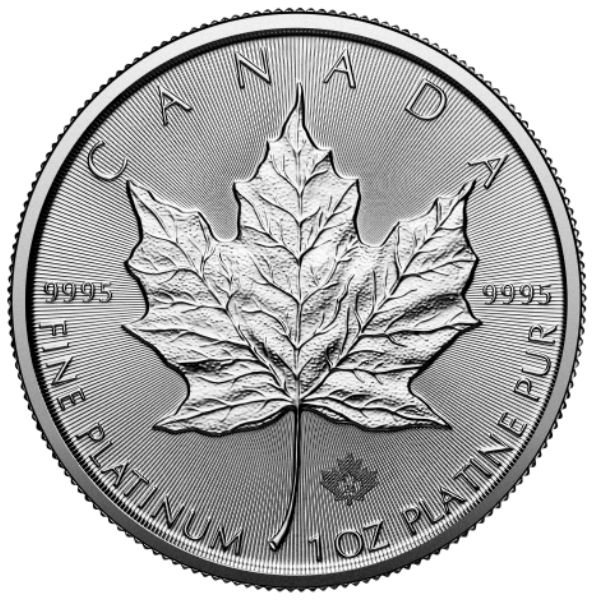
Some bullion dealers do sell rhodium bars, but they’re a bit trickier to find than products like gold bars. Because of rhodium’s rarity and high demand, dealers often charge extremely high premiums for their rhodium products. Since the secondary market for rhodium isn’t as robust as other bullion markets, investors are unlikely to recoup these premiums on resale.
Investors should also consider the long-term impact that the EV industry will likely have on rhodium’s prospects as an investable asset. Electric vehicles haven’t quite taken the world by storm yet, but sales for this environmentally friendly type of car climb each year. If EVs become the new normal, rhodium investors are in for a rough season of price depreciation.
Rhodium can be a good investment, but investors need to be aware of the limitations of the rhodium bullion market. Compared to more established precious metal markets like gold and platinum, rhodium doesn’t have much to offer the average bullion stacker.
Alternative Investments to Rhodium
Bullion products in the Platinum Metal Group (PMG) are good alternatives for investors who want to invest in rhodium. These metals generally offer similar industrial use-cases and are nearly as rare as rhodium.
Palladium bars are a fantastic choice for investors who like the high industrial demand and scarcity of rhodium. Like rhodium, palladium is a key component in the production of catalytic converters. However, palladium also plays a role in hundreds of smaller industries. Even dental equipment often uses palladium, making it a high-demand metal with a solid history of price action for investors to enjoy.

While palladium would also take a hit if electric vehicles continue to become more popular, the metal’s reliance on the catalytic converter sector isn’t quite so high as rhodium’s. For investors who want a metal that isn’t pegged primarily to a single sector’s performance, palladium is an excellent choice.
Platinum coins and bars can also be a good way for investors to put their money into industrially useful precious metals. Like the other metals in its namesake group, platinum is used in a variety of industries. Investors also love platinum because it offers a far more robust secondary market compared to fringe metals like rhodium.
Investors will pay a premium when they buy platinum bars, but it’s nowhere near the haircut they’d take when investing in rhodium bullion bars. Platinum’s recognizability also makes it easier for investors to liquidate their stack once they’re ready to sell. Despite its status as the world’s most expensive precious metal, rhodium doesn’t offer the same liquidity.
What is the World’s Most Expensive Precious Metal?
Rhodium is the world’s most expensive precious metal – and it’s not even that close. As of the time of writing this guide, rhodium trades at around $4,625 per troy ounce. That’s more than double the value of gold – which recently hit an all time high.
The precious metal rhodium owes its high prices to both rarity and industrial demand. Since its discovery in 1803, rhodium has become one of the world’s most useful metals. Rhodium also lacks a strong bullion investment market, though, and the looming threat of electric vehicle dominance spells trouble for investors who put too much of their money into the world’s most valuable precious metal.
Final Thoughts: Exploring the World’s Shocking Most Expensive Metal
Rhodium was discovered in 1803, but it took over a century for the metal’s exceptional importance in industry and innovation to become clear. Today, rhodium is the world’s most expensive metal, putting even gold’s prices to shame.
Is rhodium the right investment for your portfolio? We tend to prefer classic precious metals like palladium and platinum, which offer robust secondary markets and recognizability.
You might also be interested in:


About The Author

Michael Roets
Michael Roets is a writer and journalist for Hero Bullion. His work explores precious metals news, guides, and commentary.