
Platinum vs. Palladium | Comparison and Investor’s Guide

At a Glance:
-
- Platinum and palladium are both considered platinum group metals.
- Nonetheless, there are several key differences between the two precious metals.
- Both platinum and palladium are popular precious metals for investing.
- On this page, learn more about the differences between platinum and palladium bullion.
Platinum vs. Palladium | Comparison and Investor’s Guide
If you look around any precious metal dealer’s website, you may notice two very similar-looking types of bullion. Platinum and palladium are both platinum group metals, which explains why products made with these precious metals look so similar. That isn’t where the similarities between platinum and palladium end, either. Both metals are primarily used in the automotive manufacturing industry, and they often retail at similar spot prices.
Despite how similar these two metals may appear at first glance, it’s important to remember that there are several key differences between them. The core qualities, rarity, uses, and price trends of platinum and palladium are actually quite distinct. If your goal is to become a more informed investor, learning how platinum and palladium differ from one another is paramount.
On this page, we’ll discuss the differences between platinum and palladium, as well as the roles that these two precious metals might play in your investment portfolio.
What’s the Difference Between Platinum and Palladium?
There are several key differences between platinum and palladium that new (and veteran) investors should know. To start, palladium is harder than platinum, and platinum is the more malleable of these two metals. Palladium is also rarer than platinum and, especially in recent years, has sold at a higher premium over spot price.
And although both platinum and palladium are primarily used to produce catalytic converters for the automotive industry, the two metals differ in their other major applications in the industrial and consumer technology sectors. Finally, platinum and palladium offer two distinct investment applications, with the latter typically exercising more volatility because of its heavy mining concentration in just a few nations.
Below, we’ll cover some of the biggest differences between platinum and palladium.
Qualities, History, and Appearance
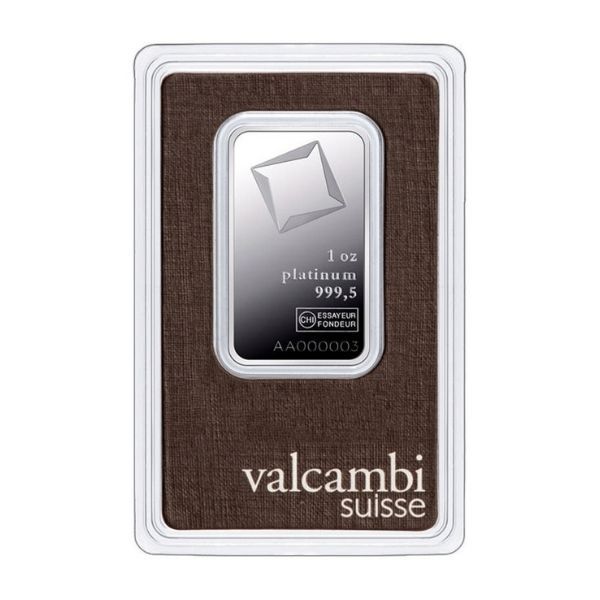
Platinum and palladium look very similar, at least at first glance. But if you give each metal a closer look, their differences become clear. Platinum is generally brighter and more shiny than palladium, which has a nearly greyish sheen to it. This difference in appearances may not always come through in photos, but you’ll notice it if you place a platinum ring, coin, or bar next to a palladium one.
As far as metallurgical qualities are concerned, the main difference between platinum and palladium is their hardness. Palladium is harder than platinum, but platinum is more malleable. So despite the fact that palladium is harder to scratch or damage, platinum is more commonly used in jewelry because of its superior malleability. Platinum is also denser than palladium by about 75%.
Platinum also has a longer history than palladium. Platinum was first discovered around 1735, but Native Columbians were using platinum far earlier, according to historians. Palladium, on the other hand, was isolated from platinum ore in 1803 by English chemist William Hyde Wollaston.

Rarity/Abundance
Is palladium or platinum rarer? Palladium is around 15x rarer than platinum, according to most experts. That being said, platinum’s extreme usefulness means that platinum and palladium are usually priced similarly, despite the latter’s enhanced rarity compared to platinum. Both metals are exceedingly rare to find in the earth’s crust.
Uses and Applications
Platinum and palladium are both primarily used in the production of catalytic converters for vehicles, which makes up the lion’s share of global demand for both precious metals.
However, estimates show that platinum’s uses are more diversified than palladium’s. According to the World Platinum Investment Council, the percentage of platinum allocated to the automotive sector has hovered at between 29% and 42% in the last half-decade. Nasdaq’s researchers find that over 80% of global palladium demand in 2025 is coming from the automotive sector.
So while platinum and palladium are both used in a variety of sectors, palladium’s primary use – by far – is in the automotive sector, particularly in the production of catalytic converters used to reduce vehicle emissions. While platinum is also primarily used in the automotive sector, demand from this industry makes up a comparably smaller percentage of total annual demand.

Market Trends and Investment Potential
In previous years, both platinum and palladium have been considered highly volatile investments, meaning that the spot price of either metal can shift dramatically from month to month – or even from day to day. In the past couple years, increasing demand for electric vehicles, which require less platinum and palladium than gas-powered cars, has led to a decline in volatility for either metal.
There’s no telling how long this trend will last, though. Of the two metals, palladium has seen more volatility in the past decade. Palladium prices shot all the way up to over $3,440 per troy ounce in 2022 after Russia’s invasion of Ukraine sparked concerns that Russia, one of the world’s biggest producers of platinum, would be unable to distribute the metal to the automotive sector. By contrast, platinum’s all-time high is only $2,275 per troy ounce.
Production of palladium is highly concentrated within just a couple of countries, namely Russia and South Africa. This means that geopolitical uncertainties surrounding these two nations can quickly alter market conditions, driving the price of palladium sharply higher or sharply lower.
Is Platinum or Palladium the Better Investment?
Is platinum or palladium the better investment? As always, the answer to this question depends on your own personal preferences, budget, and investing objectives.
Palladium tends to sell at a higher premium over spot price than platinum, since palladium products are uncommon to find and the metal is rarer than platinum. On the other hand, palladium products are becoming increasingly popular, and some investors feel that the metal has greater potential for extreme price spikes than the more common platinum.

Why Buy Platinum?
Platinum offers three distinct benefits to investors compared to palladium.
First, platinum products are far more common, especially in coin, bar, and jewelry form. Almost every national mint produces platinum versions of their flagship coins, and platinum bars are commonly created in private mints. While palladium is becoming more common among bullion product manufacturers, it’s still far less available than platinum.
Second, platinum products are often easier to sell and more recognizable than platinum ones, especially when it comes to the jewelry market. Every investor recognizes the rarity (and value) of platinum, but finding a buyer for your niche palladium products might be a bit more difficult.
Finally, platinum premiums are typically lower than palladium premiums. Palladium is sold at a high premium over spot price because of its rarity, as well as the scarcity of quality palladium products on the market.
Advantages of Investing in Palladium
Palladium is more expensive to buy in coin or bar form than platinum, but it also comes with its own set of benefits.
Namely, some investors believe that the price of palladium fails to adequately account for the metal’s enhanced rarity. Palladium production is largely concentrated in just two countries, meaning that supply chain disruptions in either South Africa or Russia could quickly lead to rapid price appreciation for palladium coins, bars, or jewelry pieces. This actually occurred in 2022, when Russia’s invasion of Ukraine sparked fears of shortages and drove the metal to an all-time high.
Palladium is also a rare and sought-after commodity for bullion investors. The rarity of finding high-quality palladium coins and bars means that some investors are willing to pay a premium for them. If you’re interested in a more volatile, high-risk and high-reward way to invest, palladium may be the better choice for your portfolio.
Diversification is Key – Try Investing in Both!
Of course, you always have another option. After all, why should you have to choose between platinum and palladium? Both metals are extraordinarily rare, and their usefulness in multiple industries makes them highly valuable to investors and businesses alike. Diversification is a cornerstone of smart investing, and buying both platinum and palladium can be your path to a more sustainable – and profitable – portfolio.
Final Thoughts: Should You Buy Platinum or Palladium?
Platinum and palladium may seem very similar, but the two metals have several key differences that investors should understand. From their appearance to their investment potential, platinum and palladium are unique precious metals that should have a place in any truly diversified precious metals portfolio.
Be sure to check out Hero Bullion’s full selection of platinum and palladium products, and take advantage of our industry-leading pricing to build your portfolio!
You might also be interested in:


About The Author

Michael Roets
With over six years of experience reporting on precious metals, Michael Roets covers market news, buying guides, and commentary for Hero Bullion.