
What is the difference Between Silver and Sterling Silver?

Terms like “sterling silver” can be confusing, especially if you’re new to buying silver bullion products. What is the difference between silver and sterling silver? Both of these precious metal categories include pure silver. The main difference between them is how much actual silver they contain. This actually explains a core feature of sterling silver. Because of its lower pure silver content, sterling silver is durable enough to be used in high quality jewelry without breaking.
But purity isn’t the only difference between silver and sterling silver. Don’t stress – we’ve got you covered. Today’s guide is all about one of the most common questions we get from silver bullion investors: what is the difference between silver and sterling silver?
Composition and Purity
Composition and purity are the start of any fair analysis of the differences between silver and sterling silver. Silver refers to the actual precious metal. Silver products can vary in purity, with some bullion coins and bars clocking in at an impressive .9999 fineness. But sterling silver has different requirements. In order to be called sterling silver, a product needs to have 92.5% pure silver bullion. What is the difference between silver and sterling silver? For us, the main difference is always purity.
Silver: Elemental Properties and Characteristics
What is the difference between silver and sterling silver? We should start our discussion by outlining the basic properties of silver itself. Silver is a precious metal known for its malleability, conductivity, and shiny appearance.
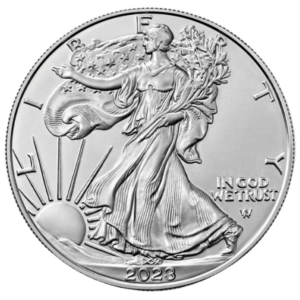
Because of this malleability, the metal is used for a wide variety of different products. Silver coins, bars, and rounds allow collectors to invest directly into the precious metal. Some coins and rounds contain .999 or .9999 pure silver bullion, making bullion products some of the best opportunities to invest in silver.
Sterling Silver: Defined Purity Standards and Alloy Composition
In contrast to silver itself, sterling silver isn’t ever available in .9999 or .999 purity. In fact, this diminished fineness is one of the things that makes sterling silver a unique type of silver. What is the difference between silver and sterling silver? The main difference is fineness. Sterling silver is sometimes referred to as 925 silver. This means that it contains 92.5% pure silver, along with another, less expensive metal. We call this an alloy metal – it combines two different substances together.
Markings and Hallmarks
How can you identify silver versus sterling silver? If you want to answer a big question like “what is the difference between silver and sterling silver,” it’s best to start with the small stuff. Below, we’ll outline the hallmarks of pure silver, as well as methods of identifying sterling silver products.
Silver: Identification of Quality Markings and Authenticity Indicators
Most quality silver products will include markings to indicate the purity of their metal composition. The same thing is true with sterling silver, but collectors should be careful to differentiate between the two different types of silver. Pure silver bullion is likely to bear the marking “9999” or “999.” What is the difference between silver and sterling silver? Sterling silver isn’t .9999 pure.
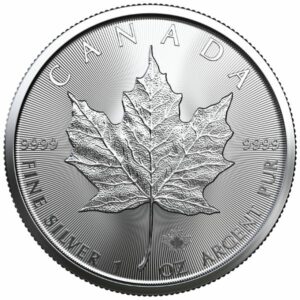
Determining the authenticity of a silver coin or bar can be difficult. We recommend doing business only with established mints or authorized dealers like Hero Bullion. Our silver products will always feature authenticity markers to demonstrate their purity levels.
Sterling Silver: Hallmarks and Certifications for Verification
Like pure silver bullion products, sterling silver items will often feature a hallmark to certify purity. Because sterling silver items like jewelry are made using 92.5% silver and 7.5% of another metal, they usually include a small marking that says “925.” If you buy a silver product with this tiny inscription, then you’ll know you have 92.5% pure sterling silver.
What is the difference between silver and sterling silver? Smart investors know how to identify the hallmarks of pure silver versus sterling silver products. Inscriptions found on coins and jewelry can help you make this determination quickly and reliably.
Strength and Durability
What is the difference between silver and sterling silver when it comes to durability? The strength and durability of sterling silver is actually one of its benefits. Because sterling silver is an alloy made from silver and another less valuable metal, it offers a higher durability. This is why sterling silver is used in many pieces of jewelry and other novel items.
Silver: Softness and Malleability as a Pure Metal
So how does silver’s malleability compare to sterling, and what is the difference between silver and sterling silver? As we outlined above, sterling silver is quite a bit more durable than silver itself because of sterling silver’s alloy status. By comparison, pure silver is much more malleable. It isn’t hard to see this in action, given the complicated designs of many popular bullion coins, rounds, and bars.
Sterling Silver: Enhanced Strength Through Alloying
What is the difference between silver and sterling silver, and what does this have to do with alloys? Part of sterling silver’s enhanced strength comes from its status as an alloy. Mixing a precious metal like silver with another less valuable metal results in an alloy, which is stronger and more durable than pure precious metals like silver or gold bullion. This enhanced strength makes sterling silver perfect for use in jewelry, which needs to be more durable than traditional precious metal investments.
Tarnish and Care
Sterling silver can tarnish easier than regular silver. Smart investors should understand the risks of keeping sterling silver, especially if they plan to expose it to the elements. Over time, exposure to water, air, or other potentially harmful substances can ruin the beautiful look of a sterling silver piece, and this tarnish can be tough to take away.
Silver: Tendency to Tarnish and Preservation Techniques
What is the difference between silver and sterling silver? Unfortunately, silver can tarnish over time. You can use coin cleaners like the ones sold by Hero Bullion to keep your silver coins, rounds, and bars looking as pristine as it was the day you bought them. Remember: we don’t recommend using abrasive cleaning methods on silver coins. The high silver purity offered by these products means that abrasive cleaners can ruin their pristine look.
Sterling Silver: Managing Tarnish and Proper Cleaning Methods
You have a few more options when trying to avoid tarnish and clean sterling silver. Sterling silver jewelry can be damaged by invasive cleaning products, but many collectors find that the risk of damage is a bit lower on sterling silver, given its increased durability compared to silver. What is the difference between silver and sterling silver? Both metals can tarnish over time, and you can take steps to mitigate the amount of damage sustained by your silver or sterling silver products.
We recommend researching cleaning methods before buying either type of silver. Sterling silver and pure silver products should be kept away from the elements as much as possible. If this can’t be done, you’ll need to find some way to clean your products without damaging them.
Applications and Use
What is the difference between silver and sterling silver when it comes to applications? As we’ve discussed a few different times, sterling silver is most frequently used in jewelry. Earrings, rings, and necklaces made with sterling silver are fairly common and popular among consumers. Sterling silver is more affordable than pure silver bullion, and it’s quite a bit cheaper than gold and platinum.
Silver: Historical Uses and Cultural Significance
Silver has been one of humanity’s most important precious metals for thousands of years. What is the difference between silver and sterling silver? Sterling silver is also fairly old, but even the Ancient Egyptians considered pure silver to be a valuable way to store wealth. Culturally, silver bullion is extremely important to groups all around the world. Even in the United States, we tend to value the beauty, rarity, and malleability of silver bullion.
Historically, silver has also been used to make a number of industrial items and technologies. Silver is a key ingredient in iPhones, as well as many other technological innovations. Silver is valued because of its scarcity and beauty, but the added benefit of industrial importance helps to make it both culturally significant and valuable to investors.
Sterling Silver: Commonly Used in Jewelry, Flatware, and Décor
Sterling silver is used more widely than pure silver. What is the difference between silver and sterling silver in industrial applications? While most consumers know about sterling silver because of its use in jewelry, sterling silver can also be employed to make flatware, as well as décor. Fancy spoons, forks, and even household items can be fashioned out of quality sterling silver.
Sterling silver contains silver but isn’t quite as pure as fine silver bullion. Silver bullion products are less durable than sterling silver, so they aren’t quite as efficient at being used in flatware or other items that involve constant pressure and application. You wouldn’t want to eat meatloaf using .9999 pure silver bullion, but sterling silver cutlery is a time-honored tradition in fine dining establishments.
Value and Market
What is the difference between silver and sterling silver on the secondary market? Both of these items contain pure silver bullion, so they do increase in value as the spot price of silver goes up. When silver becomes less valuable, sterling silver’s value depreciates, and silver does as well. In the section below, we’re going to take a look at the historical and investment value of both silver and sterling silver. Before you invest in either commodity, make sure to do at least a bit of additional research.
Silver: Historical and Investment Value
Silver has historically been both very valuable and extremely volatile. Investors should understand that the precious metal market can shift at a moment’s notice. Investing in precious metals carries inherent risks, and smart collectors should understand their own risk tolerance before investing. Still, the historical value trends associated with silver bullion are impressive. There’s a reason, after all, why millions of investors every year put their money on silver.
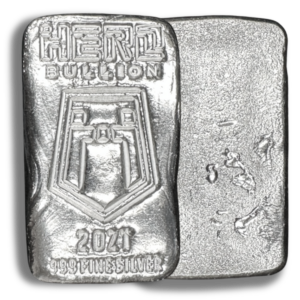
We recommend familiarizing yourself with silver price charts before you look for products to invest in. Timing the market is tricky, and even experienced investors sometimes struggle to determine when it’s a good time to buy silver. What is the difference between silver and sterling silver? Sterling silver might be easier to sell quickly, depending on the specific product that you have. But both products contain pure silver and are therefore closely correlated with the spot price of silver bullion.
Sterling Silver: Collectability, Pricing Factors, and Market Trends
Sterling silver has several things going for it. Unlike silver bullion, sterling silver is often valuable because of the way it’s produced and the products that it creates. Don’t get us wrong; people love the look and feel of a classic silver bullion coin in their hands. But sterling silver is often made into jewelry, which can add value to the base precious metal it contains.
Sterling silver’s base price is determined by the current spot price of silver. Determining the silver content of a sterling silver piece might seem a bit trickier than figuring out the silver content in a coin or round, but you should rest assured that all genuine sterling silver products do contain 92.5% pure silver. What is the difference between silver and sterling silver when it comes to collectability?
People collect both sterling silver and pure silver products. Which type of silver should you invest in? This will always depend on your own personal investment objectives, risk tolerance, and interests. Some collectors love the look of sterling silver jewelry, and others tend to prefer .9999 pure silver coins or .999 fine silver rounds.
Final Thoughts: What is the Difference Between Silver and Sterling Silver?
So what is the difference between silver and sterling silver? There are several important distinctions between the two materials that you should consider. First, think about silver purity. Silver refers to the precious metal itself; silver bullion is used to make .9999 pure coins, rounds, and bars. Sterling silver, on the other hand, is 92.5% pure by nature. This reduced purity is troublesome for some investors, but it also results in a more stable, durable, and consistent metal.
Sterling silver might be perfect for jewelry and flatware, but bullion investors continue to trade primarily in pure silver coins, rounds, and bars.


About The Author

Michael Roets
With over six years of experience reporting on precious metals, Michael Roets covers market news, buying guides, and commentary for Hero Bullion.