
How to Open a Precious Metals IRA

At a Glance:
-
- A precious metals IRA allows investors to save for retirement using precious metal products.
- Opening a precious metals IRA is a surprisingly easy process.
- On this page, learn how to open a precious metals IRA, choose products, and more.
How to Open a Precious Metals IRA
An Individual Retirement Account (IRA) is a tax-deferred investment account that allows investors to save money for retirement. By opening a self-directed precious metals IRA, investors can build their retirement portfolio using gold, silver, and platinum products.
Opening a precious metals IRA may seem complicated, but the process is actually pretty simple. To open a precious metals IRA, investors will need to:
- Find a custodian. Custodians are required for opening an IRA, even if it’s self-directed. For a precious metals IRA, investors will need to look for an IRA custodian who specializes in self-directed precious metals IRAs.
- Fund your account. Working with their custodian, precious metals IRA investors will need to fund their accounts, keeping in mind the maximum annual contributions for the current fiscal year.
- Choose and purchase precious metals. Finally, investors will work with their IRA custodians to identify and purchase the precious metals they prefer using their funds.
If you want to learn more about how to open a precious metals IRA, you’ve come to the right place. On this page, learn about what a precious metals IRA is, how to open one, and which gold, silver, and platinum products are eligible for your precious metals Individual Retirement Account.
What is a Precious Metals IRA?
Until 1997, taxpayers were not permitted to add precious metals to their Individual Retirement Accounts (IRAs). The Taxpayer Relief Act of 1997 allowed investors to add certain silver and gold coins to their retirement savings accounts. A year later, Congress expanded the law to permit the inclusion of silver, gold, platinum, and palladium bullion products.
A precious metals IRA functions similarly to a traditional IRA. Contributions to a precious metals IRA are tax-deferred, which means investors don’t pay taxes on either the capital gains or the contributions themselves until they begin withdrawing from the account. As such, IRA accounts are a popular way for Americans to save money for retirement.
The IRS sets strict minimum purity requirements for precious metals IRA contributions, so not all gold, silver, platinum, and palladium products are IRA eligible.
Opening Your Precious Metals IRA: A Step-By-Step Guide
Opening a precious metals IRA is a similar process to opening any type of IRA, but with a couple of key differences.
First, precious metals IRAs are required to be self-directed. Not all IRA custodians support self-directed precious metals IRAs, so investors will need to find a custodian who is willing to work with this type of retirement investor before they move forward in the process.
Second, a precious metals IRA gives investors considerable control over the specific products they add to their retirement savings accounts. As long as a product meets the requirements set by the IRS and costs less than the annual contribution limit for an investor’s age, it can be added to their precious metals IRA.
The basic steps of opening and operating a precious metals IRA include:
- Find a qualified custodian.
- Fund the IRA.
- Choose and purchase precious metals.
Below, we’ll take a closer look at these three steps, as well as a few different tips to help investors make more informed decisions as they open their retirement accounts.
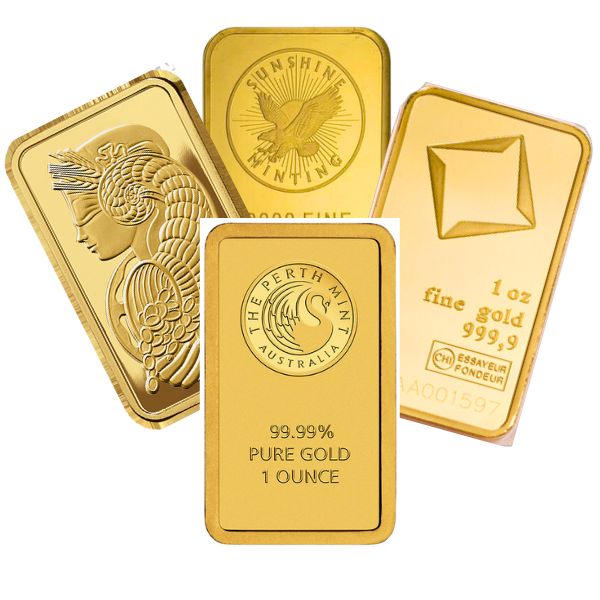
Step One: Find Your IRA Custodian
An IRA custodian refers to a financial institution, like a brokerage, investment firm, or bank, that is responsible for holding and managing an investor’s IRA. Traditional IRA custodians specialize in “regular” IRA assets, such as stocks, bonds, and currencies.
However, precious metals IRAs must be self-directed, since they include untraditional assets like gold, silver, platinum, and palladium. To open an IRA custodian, investors first need to find and work with a licensed IRA custodian that specializes in self-directed precious metals IRAs.
Self-Directed IRA Custodians Explained
A self-directed IRA allows investors to add untraditional assets like real estate or precious metals to their retirement savings accounts. Self-directed IRAs give investors a greater degree of control over the types of assets they include in their retirement accounts, but opening a self-directed IRA requires that investors work closely with self-directed IRA custodians.
Luckily, there’s no shortage of self-directed IRA custodians out there for investors to choose from. As precious metals IRAs become more popular, investors should have little trouble finding a self-directed IRA custodian to help them build their dream retirement portfolios.
Step Two: Fund Your Precious Metals IRA Account
After working with a qualified self-directed precious metals IRA custodian to open an account, investors will need to fund their IRA. Funding an IRA refers to the process of adding currency to the account so that the investor’s custodian can purchase investable assets for it.
Investors can only contribute a set amount of money, called an annual contribution limit, to their IRA per year. An investor’s precious metals IRA contribution limit varies depending on their age.

IRA Annual Contribution Limits
For the 2025 tax year, precious metals IRA contribution limits are as follows:
- $7,000 per year for investors 49 and younger.
- $8,000 per year for investors 50 and older.
However, investors who already have an existing Individual Retirement Account can roll over an unlimited amount of money into a precious metals IRA. In other words, if an investor funds their traditional IRA account for decades before deciding to open a precious metals IRA, they are permitted to add the entire traditional IRA to their new precious metals IRA.
Investors are also prohibited from contributing more to their IRA than they made in taxable income for that year. If an investor only made taxable compensation totaling $5,000 in 2025, for example, their contribution limit would be $5,000 for this year.
Step Three: Choose and Purchase Your IRA Metals
Finally, investors choose and purchase the precious metals they want to add to their self-directed precious metals IRAs. During this step in the process, an investor will work closely with his or her custodian to decide on a list of precious metal coins, bars, and rounds.
Not all precious metal products are IRA eligible, though, so we recommend taking some time to familiarize yourself with the basic requirements for IRA-eligible gold, silver, platinum, and palladium products.

Precious Metals IRA Eligibility Requirements
The Internal Revenue Service (IRS) sets requirements for which products are eligible for a precious metals IRA. The main quality that determines a precious metal product’s IRA eligibility is its purity. Precious metals IRA contributions must meet the following purity minimums in order to be considered IRA eligible:
- Gold: 99.5% Pure.
- Silver: 99.9% Pure.
- Platinum: 99.95% Pure.
- Palladium: 99.95% Pure.
There are exceptions to this rule, including the American Gold Eagle. The Gold Eagle is only 91.67% pure, which means that it does not meet the IRS’ gold purity requirement of 99.5. But since the American Gold Eagle is the official gold bullion coin of the United States and is produced by the U.S. Mint, Gold Eagle coins are IRA eligible.
Precious metal products primarily valued for their collectability are also not eligible for inclusion in a precious metals IRA. This means that most rare numismatic gold coins are prohibited from being included in a precious metals IRA, even if they meet the minimum purity requirement of 99.5%.
Precious Metal Products That Are Not IRA Eligible
The high purity requirement disqualifies several popular gold and silver products from being included in precious metals IRAs. The South African Gold Krugerrand, for example, is only 91.67% pure and is thus prohibited from being included in Individual Retirement Accounts.
Pre-1933 U.S. gold coins are also not IRA eligible, since they were minted with a purity of only 90% and often have additional collectible value. For a similar reason, “junk” 90% silver coins are ineligible for inclusion in precious metals IRAs. Junk silver describes U.S. coins minted prior to 1965 using 90% pure silver. Because these coins fail to meet the minimum silver purity requirement of 99.9% set by the IRS, junk silver is not IRA eligible.

Precious Metals IRA Tax Requirements
Precious metals IRAs generally follow the same tax rules associated with traditional retirement savings accounts. IRAs are considered tax-deferred, which means that investors will not be required to pay taxes on their investment until it’s time to withdraw.
When investors withdraw their IRA assets, taxes are assessed as part of their income taxes. Barring certain exceptions, investors will also pay a 10% penalty if they choose to withdraw IRA assets prior to the age of 59.5.
Are Precious Metals IRAs Tax-Free?
The precious metals you add to your IRA are generally tax-free, at least until you choose to withdraw from your retirement account. However, investors may still be required to pay sales taxes when they purchase the precious metals initially, even if they’re destined for a retirement account.
There is no federal sales tax in the United States, but each state can determine its own rules about how precious metals are taxed. To learn more about precious metal sales taxes in each U.S. state, check out our guide here.

Gold IRA Early Withdrawal Penalty
In the United States, IRA withdrawals occurring after the age of 59.5 are not subject to any penalty, and taxes for these withdrawals are calculated as part of the account owner’s income tax. If you choose to withdraw your precious metals IRA assets before age 59.5, you will be assessed a 10% early withdrawal penalty based on the value of the assets at the time of withdrawal.
There are certain exceptions to the precious metals IRA early withdrawal penalty, including:
- Up to $10,000 per lifetime for the purchase of a home.
- Certain medical expenses.
- Disability expenses.
- Certain educational expenses.
We recommend reaching out to your IRA custodian or financial advisor for more information about when and if you’ll be responsible for paying early withdrawal penalties on your precious metals IRA withdrawal.
Final Thoughts: How to Open a Precious Metals IRA
Opening a precious metals IRA is a similar process to opening a traditional IRA, but with a couple of key differences. Since precious metals IRAs must be self-directed, investors begin by finding and working with an IRA custodian that specializes in self-directed precious metals IRAs.
After identifying a custodian, investors need to fund their accounts and choose products to add to their portfolios. Because not all precious metal products are eligible for IRA inclusion, investors will work closely with their custodians during this step to fill their retirement accounts with the products they prefer.
When it comes to withdrawing funds or metals from a precious metals IRA account, the standard rules apply. Investors will not pay taxes on their IRA investments, except for precious metal sales taxes that vary from state to state, but they will be required to pay a 10% early withdrawal penalty if they remove metals from their portfolio before age 59.5.
You might also be interested in:


About The Author

Michael Roets
With over six years of experience reporting on precious metals, Michael Roets covers market news, buying guides, and commentary for Hero Bullion.