
How Much Gold or Silver Should You Own?

At a Glance:
-
- Many investors want to know the “ideal” amount of physical gold or silver to own.
- Traditional wisdom holds that around 5-15% of your portfolio should be made of precious metals.
- The right amount of gold or silver for your portfolio can depend on several factors, like risk tolerance.
- On this page, we’ll cover the truth behind how much gold or silver you should really own.
How Much Gold or Silver Should You Own?
Did you know that fewer than 15% of Americans own gold or silver? Precious metals like gold and silver are considered safe haven assets, meaning that they tend to retain (or gain) value during times of economic downturn or uncertainty. Many financial advisors believe that a healthy amount of gold, silver, and other precious metals can strengthen the average investment portfolio.
While investing in precious metals is a centuries-old strategy for building and protecting wealth, choosing the right amount of gold or silver can sometimes feel tricky or overwhelming. This leads us to one of the most common questions we hear from new investors: how much gold and silver should I own?
Generally, experts recommend keeping anywhere from 5% to 15% of your investment portfolio in gold, silver, or a mix of both. While this can be a good benchmark, the actual amount of gold or silver you should own depends on a number of factors, including your risk tolerance, budget, and time horizon.
On this page, learn more about how much gold or silver you should really own.
The Right Amount of Gold or Silver to Own, According to Experts
Financial advisors generally recommend keeping somewhere between 5 and 15% of your total investment portfolio in the form of gold or silver. Because gold and silver are safe haven assets and tend to appreciate slowly over time, they can serve as counterweights to riskier investments. Gold has historically functioned as a hedge against inflation, as gold prices tend to climb during periods characterized by declining currency values.
That being said, there is no one-size-fits-all approach to investment. Some finance experts advocate putting as much as 20% or more of your total portfolio into gold or silver, while others advise against physical precious metals entirely. As with anything else in the world of investing, the ideal portfolio makeup depends chiefly on your own financial situation.
Figuring Out How Much Gold or Silver is Right For You
Even among financial advisors who believe gold and silver are useful tools for building and securing wealth, you’ll find that the average expert’s advice about the ideal amount of gold and silver to own varies depending on who they’re talking to. That’s because investors should consider several key factors before deciding how much gold or silver to add to their portfolios.
Factors to Consider When Buying Precious Metals
So, now we know that the amount of gold or silver you should include in your investment portfolio depends on your personal preferences and investing goals. Now, it’s time to take a look at some of the factors you should consider in order to decide how much gold or silver belongs in your own investment portfolio.
To figure out how much gold or silver is right for your investing needs, consider:
- Your risk tolerance.
- Your budget.
- Your time horizon.
Together, these three factors can shed light on how much of your money you should earmark for safe haven assets like gold, silver, and other precious metals.
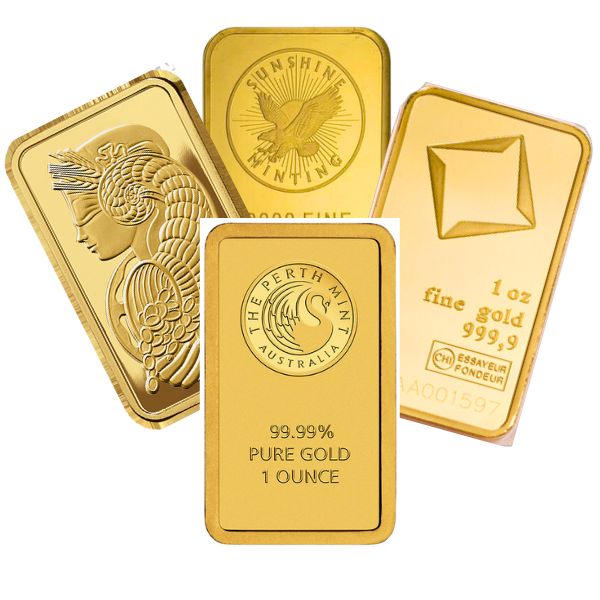
Risk Tolerance
Risk tolerance refers to how much risk you’re willing to take when adding assets to your investment portfolio. An investor with a lower risk tolerance usually stands to lose money during price swings, but they’re also unlikely to cash in on large profits on their investments. Conversely, someone with a high risk tolerance could potentially lose a lot of money quickly, but they could also secure rapid profit under the right market conditions.
Your risk tolerance is generally closely related to your time horizon. As a general rule of thumb, financial advisors recommend a higher risk tolerance for investors who are younger or have a longer time horizon. This is because investors with a long time horizon have more time to make up their losses, should some of their higher-risk investments fail. Investors who are older and have a shorter time horizon tend toward a lower risk tolerance, since they’re in no need to build wealth rapidly and have little time to recoup losses on bad investments.
Precious metals tend to work best in low-risk-tolerance portfolios, since prices for gold and silver tend to appreciate slowly over a long period of time and are not prone to large, volatile price swings in either direction. However, gold and silver can also play a balancing role in higher-risk portfolios, since the consistency of these assets can counteract the volatility of riskier investments.
Time Horizon
Time horizon describes the expected lifespan of an investment or investment portfolio. Someone with a short time horizon is usually planning to cash out on their investments relatively soon, while someone with a longer time horizon may be planning to hold onto their investments for a very long time.
If someone is relatively close to meeting their financial goals, their investing time horizon would be short, while someone who is far away from their financial goals has a long time horizon. Time horizon can play a crucial role in determining how much of your portfolio should feature safe haven assets like gold and silver, since these assets tend to appreciate slowly over a long period of time.
Both investors with a long time horizon and investors with a short one can make use of gold and silver. Investors with a long time horizon may use gold and silver as a counterweight to offset losses from riskier investments. But for investors with a short time horizon, putting more money into gold and silver can be a way to safeguard their assets against inflation without taking on the potential for larger losses through risky calls.
Budget
Your budget, or the amount of money you’re able to put toward your investment portfolio, can play a twofold role in determining how much gold or silver you should own.
First, your budget can help you decide how much physical gold or silver to add to your portfolio. Generally, financial experts recommend thinking of your portfolio’s composition in percentages rather than dollar amounts. In other words, investors with a large budget can purchase more gold and silver while still making those assets a reasonable portion of their total portfolio’s value.
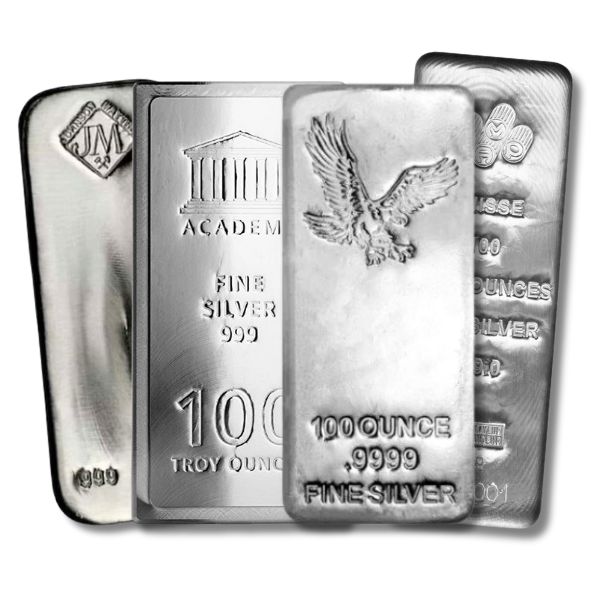
Second, understanding your budget can help you decide which precious metals are best for your investing needs. Gold is considerably more expensive per troy ounce than silver, so investors with a smaller budget may prefer the liquidity offered by 1, 10, or 100 oz silver bars or coins. Conversely, investors with larger budgets can afford to either buy more gold or to invest in a mix of both metals – without sacrificing liquidity.
Should You Buy More Gold or More Silver?
Many new investors also wonder about how to find the right ratio of gold to silver in their portfolios. This can also be tricky to figure out. After all, both gold and silver have historically been considered safe haven assets, and both of these precious metals can play a vital role in the security of your portfolio as you build more wealth over time.
That being said, gold and silver have several key differences that investors should understand.
Investing in Gold vs. Silver
There’s no one correct answer for how to balance gold and silver in your investment portfolio, but understanding the differences between these two precious metals can help you make a more informed decision about your financial future.
When deciding how much gold vs. silver to buy, investors should consider the following factors:
- Price and volatility concerns. How expensive is each precious metal to purchase? How often do prices for this metal tend to change dramatically in one direction or another?
- Historical demand and market trends. What drives demand for each precious metal? Do historical price trends suggest that your favorite precious metal may perform well on your investing time horizon?
- Liquidity concerns. How easy is it to quickly sell each precious metal? Does the prohibitive cost of one precious metal pose a liquidity challenge?

Price and Volatility Concerns
Both the price of each precious metal and its relative volatility should play a role in how much gold or silver you include in your investment portfolio.
Silver tends to be a more affordable precious metal to buy, but it’s also more volatile in the short- and long-term. Gold is more expensive, but its consistent price appreciation over the past century makes it a more suitable safe haven asset to some investors. Which metal is right for your portfolio depends on your budget, risk tolerance, and time horizon.
Typically, volatile assets like silver should play a larger role in investment portfolios with a long time horizon, since those investors have time to recoup their losses over time if the price of silver quickly drops. By contrast, gold is great for investors with a short time horizon, since the price of gold rarely fluctuates by more than a couple percentage points at a time.
However, the price of each asset should also play a role in which precious metal you choose to buy. Since gold is so much pricier than silver, investors with a limited budget may prefer the liquidity and affordability of silver. Likewise, investors with a large budget may not want to buy a large number of units of silver, opting instead for gold.
Historical Demand and Market Trends
Like with any other investment, you should spend some time familiarizing yourself with historic demand and market trends before investing in either gold or silver. These two precious metals are valued for their rarity, but demand for each of them is driven by a diverse set of factors.
Over 50% of global demand for gold is in the jewelry sector, with central bank, investment, and technology demand accounting for the rest of the precious metal’s annual demand. Demand for silver, on the other hand, is overwhelmingly driven by industrial demand, where solar panels, electronics, and electric vehicles continue to push the annual silver supply deficit higher.
In other words, the right precious metal for your portfolio depends on how you view current and long-term market conditions for each asset.
Liquidity Concerns
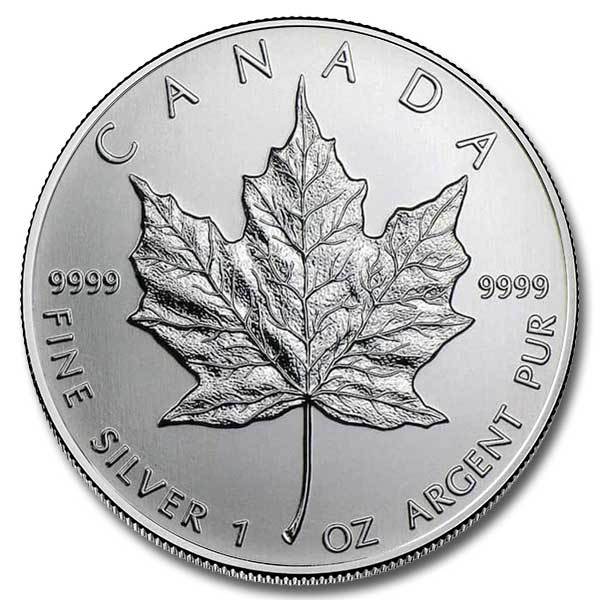
Depending on your budget, liquidity can also play a role in determining which precious metal should make up the larger percentage of your safe haven asset allocation. Investors working with a limited budget tend to purchase more silver than gold, since silver is easy to resell and costs less money upfront.
While it is easy to quickly sell gold coins or bars, gold’s prohibitively high spot price per ounce may leave investors having to sell thousands of dollars of metal at a time when they need to quickly cash out. If you’re working on a larger budget, either putting more money into gold or stacking a mix of both could be your best bet.
Balancing Gold and Silver in Your Portfolio
Generally, we recommend that investors put their money into both gold and silver. Diversification is a cornerstone of smart investing, and buying gold and silver together can help you find more ways to profit from your growing investment portfolio. Since silver demand in the past decade has been driven by growth in the EV and solar panel sectors, the metal can offer a solid counterweight to gold, which is largely bought up by the investment and jewelry industries.
Some investors also like to trade the gold-silver ratio. The gold-silver ratio expresses how many troy ounces of silver are required to equal the same value as one troy ounce of gold. Trading the gold-silver ratio involves strategically swapping between the two metals, depending on which one seems to be undervalued at a given time.
Final Thoughts: How Much Gold and Silver Should You Really Own?
The age-old financial wisdom is that investors should put around 5-15% of their portfolio into gold or silver, but this adage may not tell the whole story. In reality, the correct amount of gold or silver to own depends on your own risk tolerance, time horizon, and budget. At the end of the day, the point of adding gold and silver to your investing portfolio is to safeguard your wealth against inflation, uncertainty, and other threats. Whether you invest just 1% or 20% of your portfolio into gold or silver, you’re doing better than 85% of America!
You might also be interested in:


About The Author

Michael Roets
With over six years of experience reporting on precious metals, Michael Roets covers market news, buying guides, and commentary for Hero Bullion.