
Circulated vs. Uncirculated Coins: Key Differences and Investing Tips

At a Glance:
-
- Gold coins are generally sold at higher premiums over spot price than gold bars.
- The lowest premium gold coins are backdated Krugerrands and random condition gold coins.
- On this page: learn how to compare prices and identify the most affordable gold coins.
Circulated vs. Uncirculated Coins: Key Differences
Most investment-grade gold and silver coins fall into two main categories: circulated and uncirculated. Investors can tell the difference between circulated and uncirculated coins by taking a look at a coin’s condition.
Circulated coins have been used as currency, which means that they have signs of wear and tear developed over years of handling by consumers. Uncirculated coins are different from circulated coins. Uncirculated coins have never been introduced into the economy and should look almost perfect – even under intense magnification.
Both circulated and uncirculated coins can be great investments, but there are a few differences between these types of silver and gold coins that you should understand. On this page, learn about the differences between circulated vs. uncirculated coins, benefits and drawbacks to each product category, and how to identify a genuine uncirculated coin.

What is an Uncirculated Coin?
Uncirculated coins are the most perfect silver and gold coins on the market. An uncirculated coin has never been used as currency and remains in the exact same state that it was in when it was originally released. An uncirculated silver or gold coin should feature its original mint luster, a shiny, reflective surface, and no signs of scratching or damage.
As a general rule, uncirculated coins are usually more valuable than circulated coins, since they’ve been kept in better condition. Most uncirculated silver and gold coins are sold at high premiums over spot price, meaning that they cost more to purchase than uncirculated coins of the same size.
What Counts as a Circulated Coin?
The term “circulated” is used to describe coins that have been introduced into the economy. Circulated coins are often used to purchase goods and services, so they develop normal wear and tear over time. If you look closely at a circulated coin under a magnifying glass, you’ll actually see small scratches and other blemishes.
Although circulated coins are more imperfect than uncirculated coins, they can still be worth quite a bit of money. Circulated coins are valued for their rarity, historical significance, and condition. Certain circulated coins sell for millions of dollars, and many circulated silver coins from low mintage years are worth far more than the value of the silver they contain.
How to Identify Circulated vs. Uncirculated Coins
Identifying the condition of a coin can be difficult. Some shady bullion dealers may sell circulated coins at a premium by labeling them uncirculated. Investors should work to develop the skills necessary to verify that an uncirculated coin is genuinely uncirculated.
How do you verify that a coin is uncirculated? Professional coin collectors use three main strategies to determine the condition of a silver or gold coin:
- Ask for a Certificate of Authenticity (CoA)
- Check for Scratches or Imperfections
- Consider Professional Evaluation
Ask For a Certificate of Authenticity
A Certificate of Authenticity (CoA) is a document used to verify the condition and origin of a silver or gold coin. Not all uncirculated coins come with CoAs, but these documents can be a helpful way to confirm that your coin is actually uncirculated.
Depending on the year, condition, and origin of your coin, you may be able to request a certificate of authenticity from your dealer. Certain commemorative U.S. Mint coins, such as the MS70 2024 American Silver Eagle, automatically come packaged with certificates that prove they are uncirculated.
Even if your uncirculated coin does not come with a certificate of authenticity, closely examining it using a magnifying glass may help you verify its condition.

Check For Scratching and Imperfections
How do you know if a coin is uncirculated? Most reputable coin dealers will clearly mark the condition of each coin they sell. Verifying that a coin is really uncirculated can be difficult, but it is possible.
To prove a coin is uncirculated, you’ll need to examine it closely under a magnifying glass. Uncirculated coins will still feature the original luster they developed during the minting process. Luster refers to a satin-like shine that is found almost exclusively on coins in great condition. Examining the luster of your coin is a good way to verify that it is uncirculated. Circulated coins have luster, but uncirculated silver coins will possess an exceptionally perfect degree of luster.
Consider Professional Evaluation
If you still can’t figure out if your coin is circulated or uncirculated, consider reaching out to an expert. The Professional Coin Grading Service is one organization that can professionally grade your coin. When investors ship a coin off to PCGS, their coin will usually be returned with a certificate proving the coin’s grade and condition.
One common misconception among coin graders is that all uncirculated coins are the same condition. In reality, uncirculated coins can be bought and sold in many different grades. Let’s take a closer look at how to grade uncirculated and circulated coins.
Grading Circulated and Uncirculated Coins
All coins can be graded. Grading refers to a process used to assess the condition of a collectible coin. Coin grading is often done by collectible coin experts known as numismatists, but investors can also approximate the condition of their silver coins at home.
Not all circulated coins are created equal, and the same goes for uncirculated specimens. The condition of a silver or gold coin plays a vital role in determining its value, so it is important for investors to have at least a general idea of their coin’s condition.
Grading Circulated Coins
Circulated coins offer a larger variation in potential grades than uncirculated coins. Under the most commonly used U.S. coin grading system, circulated coins are graded on a scale from AG-3 (About Good) to AU-58 (Very Good, About Uncirculated).
Nonstandard coin grading terms are also used by some numismatists, even though they are not recognized by the American Numismatic Association (ANA). PO-1 (Poor) is one example of a common nonstandard coin grade. Coins in PO-1 condition are barely recognizable because of their extensive wear and tear.
To determine the approximate grade of a circulated United States coin, consider comparing your coin to examples of each grade determined by the ANA’s coin grading scale. In order to grade coins at home, you’ll need to look at your coins closely under intense magnification. Look for signs of scratches, handling, or cleaning, and be sure to compare the coin’s luster to specimens listed in coin grading guides.
Rare or very valuable circulated coins should be graded by professionals. While grading these coins at home is technically possible, securing a verified grade from an expert numismatist can help you verify the condition – and value – of your investment.
Grading Uncirculated Coins
Uncirculated coins are graded on a different grading scale than circulated coins. For uncirculated coins, possible conditions range from MS-60 to MS-70. MS-70 coins are considered completely perfect, even when placed under intense magnification. MS-60 coins may look unblemished, but they will contain small imperfections that separate them from complete perfection.
For valuable uncirculated coins, consulting an expert is highly recommended. Uncirculated coins can lose value quickly if they’re improperly handled during the grading or cleaning process. Reaching out to a professional coin grading service can potentially save you hundreds or thousands of dollars.
Circulated vs. Uncirculated Coins – What’s the Better Investment?
You might know the basic differences between circulated vs. uncirculated coins. But what is the better investment – circulated or uncirculated coins? The best investment depends on your interests and investing objectives.
Circulated coins offer more collectable value but can be harder to sell than uncirculated coins. Uncirculated coins are usually sold at a high premium over spot price, but they’re also easy to sell compared to circulated specimens.
| Circulated Coins | Uncirculated Coins |
|---|---|
| Used as currency, may include wear and tear | Never introduced into circulation, nearly perfect |
| Value depends on condition, rarity, and popularity | Traded primarily based on silver/gold content |
| Harder to sell, but sometimes worth more | Easy to find a buyer, but little numismatic value |
Comparing Costs – Which Coin is Cheaper?
Which coin is more affordable, uncirculated or circulated coins? Uncirculated silver coins are usually more valuable than circulated coins, since they look exactly the same as they did when the mint first released them.
There are exceptions to this rule, of course. Circulated coins that are especially rare or popular may sell for a higher price than uncirculated coins of the same weight and silver content. Expect to pay higher premiums for a rare circulated coin than you would for an uncirculated coin.
It is worth noting that uncirculated coins are usually easier to sell than circulated ones. Circulated gold and silver coins are valued for more than their melt value in bullion, but they are also only really valuable to collectors. Finding a buyer willing to pay top dollar for a rare circulated coin can be difficult. Uncirculated coins, however, are sold primarily for their silver or gold content and are usually easy to liquidate.
Exploring Numismatic Value
Numismatic value refers to the premium collectors are willing to pay for rare or collectible bullion coins. Circulated coins are more numismatically valuable than uncirculated coins, especially if your coin is kept in great condition.
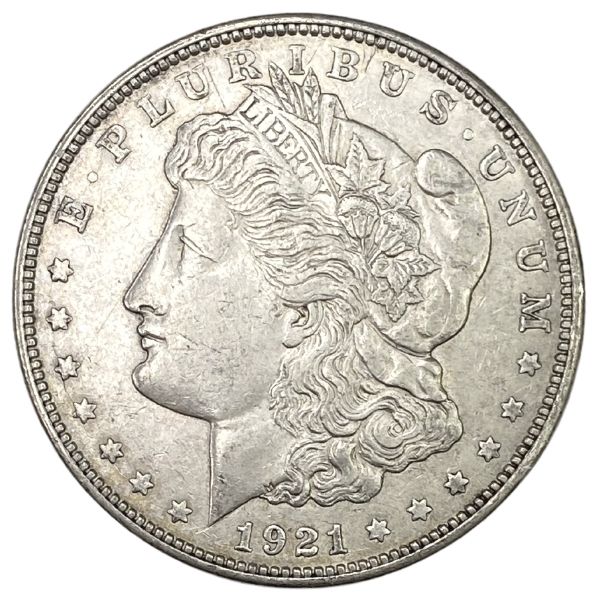
Uncirculated coins can also have numismatic value, but they usually aren’t worth as much to numismatic coin collectors as circulated coins. Most uncirculated coins are produced in extraordinarily high numbers, which means that they aren’t particularly rare. This abundance means that the majority of uncirculated coins are not valuable as collectible items.
Numismatic Value Explained
How is numismatic value calculated for coins? The numismatic value of a silver or gold coin depends on several factors, including:
- Rarity and Mintage Figures. Mintage figures refer to how many coins are released of a given series during a given year. High mintage numbers suggest that the coin is common so it isn’t worth that much to collectors. Low mintage numbers mean that a coin is very rare – and this can make it more valuable to investors and numismatic coin collectors.
- Condition. Circulated coin values depend heavily on condition, which describes how worn down a coin has become over time. As a general rule, coins in excellent condition are worth more than coins given a poor grade.
- Historical Significance. Certain coins are also valued for their historical significance or importance. Coins minted during conflicts or in the middle of controversial U.S. political eras are especially valuable to collectors.
Do uncirculated coins have collectible value? Some uncirculated coins have numismatic value, but most uncirculated silver and gold coins are valued primarily for their precious metal content.
Should You Buy Circulated or Uncirculated Coins?
So what’s the better investment between circulated and uncirculated coins? Circulated coins can be a great investment if you’re able to spot which coins will become more numismatically valuable over time. Uncirculated coins, on the other hand, are a good way for investors to stack silver or gold without paying exuberant premiums over melt value.
You might be interested in:


About The Author

Michael Roets
With over six years of experience reporting on precious metals, Michael Roets covers market news, buying guides, and commentary for Hero Bullion.