
Is Gold Still an Inflation Hedge?

At a Glance:
-
- Gold is considered one of the world’s best inflation hedges.
- Historical data suggests that gold is still an excellent hedge against inflation.
- On this page, you’ll learn about gold’s role as a safe haven asset and a hedge against inflation.
Is Gold Still an Inflation Hedge?
Inflation can be devastating to the traditional stock portfolio. When inflation rates are high, consumer spending decreases. And when consumer spending decreases, stock performance takes a dive. The risk posed to traditional investments by inflation is one reason why financial advisors recommend portfolio diversification. Certain investments are known as inflation hedges because they tend to perform well during periods of high inflation.
Diversification refers to an investing strategy of putting money into various different kinds of stocks. Generally, investors who want to diversify their portfolios try to purchase assets with varying risk profiles. Investors have several options for diversification, but gold has always been one of the most effective options for adding diversity to a portfolio. Gold is considered an excellent hedge against inflation, so gold coins and bars are often a good way to diversify your portfolio.
In recent years, gold’s status as an inflation hedge has been called into question by some analysts. Is gold still an inflation hedge? On this page, we’ll explain everything you need to know about whether or not gold is still the best way to diversify and protect your portfolio against inflation.
What is an Inflation Hedge?
An inflation hedge is an investment that is used to protect an investor’s money during periods of high inflation. When inflation rates are high, the purchasing power of fiat currencies (including USD) decreases. In response to decreasing buying power of currencies, consumers slow their spending – and most stock values suffer as a result. Inflation hedges tend to either retain or gain value during periods of high inflation.
Buying inflation hedges can be a good strategy if you anticipate that inflation will result in lower purchasing power for your country’s currency. Some investors permanently keep inflation-hedging assets in their portfolios. Experts typically recommend limiting gold to 5-10% of your total portfolio value.
Examples of Effective Inflation Hedges
If you think it’s wise to hedge against inflation, there are several solid options. For a solid inflation hedge, you’ll need something with a variable currency value. The least effective inflation hedge is currency, since inflation devalues currency. Any asset or commodity that changes in value based on more than currency buying power is considered a potential inflation hedge.
Investment advisors recommend the following assets as inflation hedges:
- Stocks
- Real Estate
- International Assets
- Gold Bullion
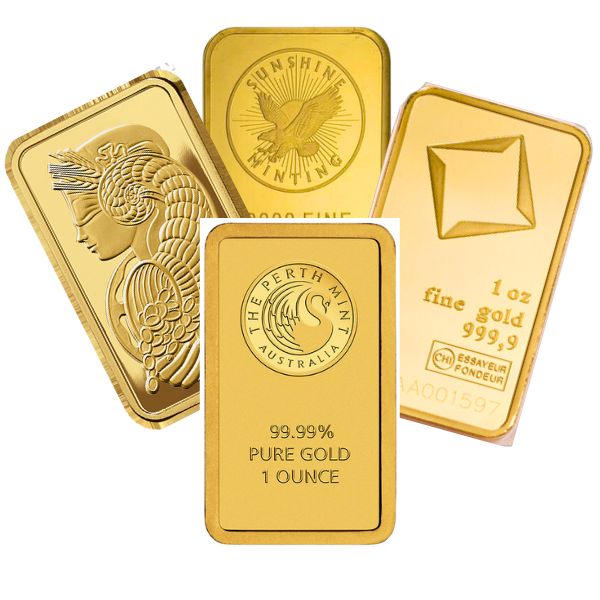
Wondering about the best way to protect your assets against inflation? Below, we’ll explain the four top inflation hedges on the market in 2024.
Stocks
Of these four options, stocks are the least effective inflation hedges. Investopedia puts it best:
If inflation returns, it’s generally a punch in the jaw for the bond market, but it could be a shot in the arm for the stock market.
Stocks typically decrease in value during periods of serious inflation. However, this only happens because the decreasing buying power of fiat currency in an inflationary environment leads to less consumer spending. This makes stocks a better option for battling inflation than currency investments or bonds, but not quite as effective as real estate or gold.
The stock market can seem like an enigma, but the moving parts of the American economy are all related. When inflation becomes a major problem, Americans are less likely to spend money frivolously, and they’re also less likely to spend their cash on the stock market. As a result, stocks stagnate during periods of especially bad inflation. Since stocks still have value outside of the value of currency, though, they’re a good place to store your money if inflation returns.
Real Estate
Real estate has been called the world’s safest asset. Demand for land will never really go away, and real estate naturally becomes more valuable as the global population increases. Real estate is also an effective hedge against inflation. Land – and homes built on that land – is variable in its value. When the purchasing power of a single United States Dollar decreases, it simply takes more dollars to buy a home.
Since real estate has intrinsic value and will always be in-demand, it is an excellent inflation hedge. Real estate is an expensive investment, however, and comes with significant upfront and maintenance costs. For most investors, dropping hundreds of thousands of dollars on a prime piece of land just isn’t a cost-efficient strategy for winning the battle against inflation.
International Assets
Depending on the nature of a given inflationary climate, international assets can be a solid option for hedging against inflation. Oftentimes, inflation in the U.S. has a chilling effect on other currencies, which are devalued along with the American currency. In 2023/24, many experts claim that inflation has been a problem in most countries – not just the United States. The United States Dollar is the largest reserve currency, inflation in the USA could mean trouble for other global currencies and economies.
This is not always the case. On some occasions, the United States may enter a period of rampant inflation while other national currencies thrive. When this happens, international assets become a solid inflation hedge for American portfolios. If other currencies are unaffected by the diminishing buying power of USD, investing in international assets or currencies can be a good way to beat inflation.
The big caveat to using international assets as inflation hedges is that the strategy only works in certain global economic climates. To use international stocks and currencies as an inflation hedge, consider whether inflation is impacting just the U.S. – or all countries. If all countries are suffering the ills of inflation, using international assets as an inflation hedge won’t be effective.
Gold Bullion
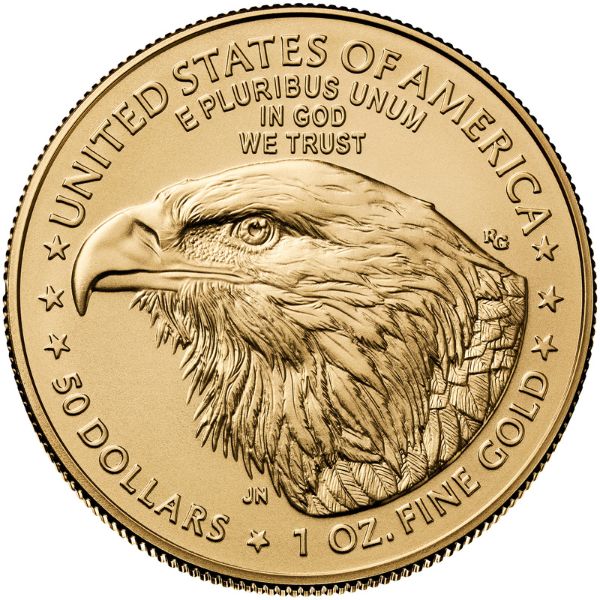
Gold is considered the world’s best inflation hedge because of its relatively low entry costs and consistent performance during bearish economic climates. While an ounce of gold is certainly expensive, investing in gold is far cheaper than other inflation hedges, such as real estate or international assets.
Physical gold products are also great for portfolio diversification because they are non-correlated assets with intrinsic value and little counterparty risk. When investors buy stocks and bonds, they aren’t just betting that their assets will perform well. They also need to consider the possibility that the issuer of their assets could default on their end of the bargain.
Since stocks and bonds are only valuable so long as the company or government backing them is sustainable, buying these assets increases your counterparty risk. Counterparty risk refers to the possibility that the issuer of an asset could fail to make good on its promises to a buyer. If a stock market, business, or even a government collapses, the value of the assets they issue to investors collapses as well.
Gold has intrinsic value, unlike stocks and bonds. Gold itself is valuable, and investors have complete control over the physical gold coins and bars they buy. Because of its intrinsic value and the historically consistent demand for gold, gold bullion products tend to perform well during periods of inflation. To some investors, gold is the best inflation hedge on the planet for precisely this reason.
Historical Data – Does Gold Hold Up to Inflation?
Not all economists agree that gold is an excellent inflation hedge. To get a better idea of how gold performs during inflationary climates, we’ll need to look at the data. Below, you’ll find a chart comparing gold prices to annual inflation rates from 1974 until 2023.

Available data suggests that gold tends to either retain value or appreciate when inflation rates increase. There are very few exceptions to this rule. However, it is important to note that the degree to which gold appreciates during inflationary climates varies. Since gold’s price is determined by a variety of factors, it is difficult to say with certainty how gold might perform under a given economic condition.
Still, data over the past 50 years supports the claim that gold is an effective hedge against inflation. At the very least, gold tends to appreciate in value as inflation rates climb. If you’re preparing for high inflation rates, gold remains one of the best diversification choices investors can make.
Gold Vs. Other Inflation Hedges
Gold is different from most inflation hedges because it is a tangible asset. Some investors double-down on stocks when inflation rates are high, since stocks suffer less from decreased currency value than cash holdings. International assets are another non-tangible inflation hedge, but these investments only perform well if an inflationary climate is limited to just one country.
Real estate is also a tangible asset that can function as an inflation hedge, but real estate is far more expensive than gold. For investors who want a relatively affordable, tangible inflation hedge, gold is tough to beat.
Is Gold the Best Inflation Hedge?
Many investors consider gold the best inflation hedge available. Gold is a good inflation hedge for three main reasons. Gold is relatively inexpensive compared to other investments, it is not correlated with the traditional stock market, and gold is intrinsically valuable. By investing in gold, investors achieve multiple diversification goals at once. Gold lowers your counterparty risk exposure, gives you more control over your assets, and excels during periods of poor performance in the traditional economy.
Is Gold the Ultimate Safe Haven Asset?
Safe haven assets are investments that either retain value or become more valuable during difficult economic climates. When the economy takes a turn for the worse, many traditional investment assets lose value. The value of stocks, bonds, and currencies decrease rapidly when unemployment rises and inflation peaks. This isn’t the case for gold. Instead, gold sees some of its best bull markets during recession.

For this reason, gold is considered one of the best safe haven assets. For decades, the precious metal has been a fixture of investment portfolios preparing for troubling economic environments. As the chart above explains, gold’s performance during economic recession is almost unparalleled among investment assets.
Safe Haven Assets Explained – What Makes Gold Safe?
Gold is a safe haven asset for several reasons. First, gold is a physical commodity with intrinsic value. Gold is valuable – even if the world around it is on fire. Gold’s scarcity, desirability, and usefulness make it a perpetually valuable asset to collect. Secondly, gold is non-correlated. This means that gold doesn’t suffer the same way that traditional assets do during times of economic turmoil or geopolitical conflict.
In fact, gold often increases in value during geopolitical conflict and economic downturn. Gold’s 2023/2024 performance has a lot to do with explosive armed conflicts in both Gaza and Ukraine.
Should You Buy Gold as an Inflation Hedge?
Buying gold is a serious financial decision. We always recommend speaking to an investing expert or your financial advisor before making any large gold purchase. Although gold has historically functioned as an effective hedge against inflation, gold prices are volatile and notoriously hard to predict. Our 2024 gold volatility analysis found that the metal can be very risky in the short term but relatively safe as a long term investment.
Gold’s spot price today could be wildly different than its spot price tomorrow. Like any other investment, gold carries inherent risk. However, there is a reason why so many experts recommend putting at least some money into gold bullion bars and coins. Physical gold lowers counterparty risk, increases portfolio diversity, and can shield investor assets from the pitfalls of rapid inflation.
As the United States grapples with its inflation problem, gold is an extremely attractive alternative to traditional stocks. Its role as an inflation hedge is undeniable, and historical data suggests that gold is still one of the best hedges against inflation in the world. Our recommendation is to speak to a financial advisor before introducing new assets to your investment strategy.
Final Thoughts: Is Gold Still an Inflation Hedge?
Recent evidence suggests that gold is still an excellent hedge against inflation. When inflation rates increase, the value of gold tends to increase as well. There’s no guarantee that this trend will hold, and economists disagree on just how effective gold is as an inflation hedge and a safe haven asset. However, investors who anticipate higher inflation this year can’t go wrong with the world’s oldest safe haven investment.
You might also be interested in:


About The Author

Michael Roets
Michael Roets is a writer and journalist for Hero Bullion. His work explores precious metals news, guides, and commentary.